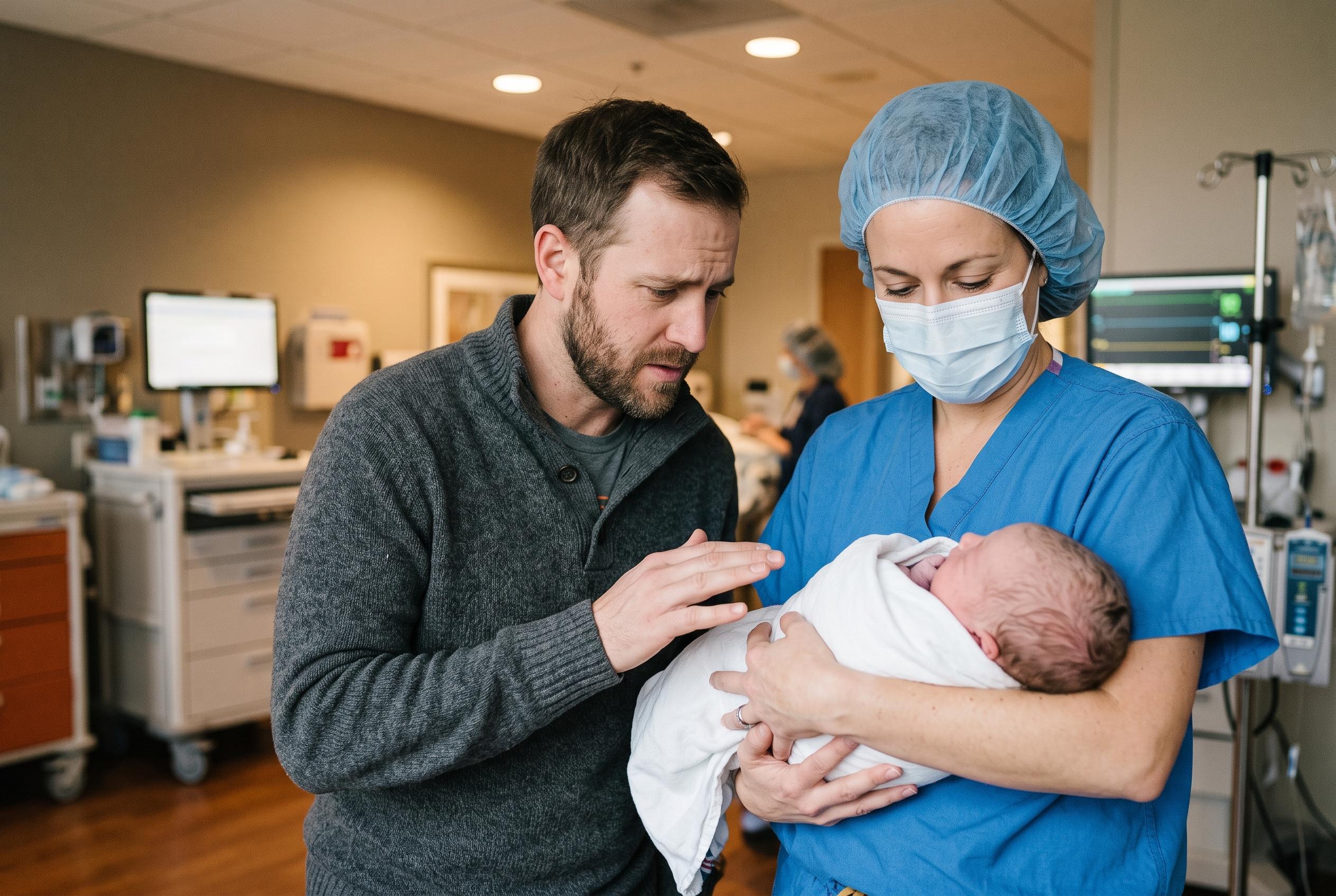

An alarming increase in U.S. parents refusing vitamin K injections for newborns has raised fears among health professionals, as declines reach over 57% in six months amid growing vaccine scepticism and political debates.
The share of U.S. newborns not receiving the standard vitamin K injection has risen sharply this year, according to a Reuters analysis based on more than 1 million births analysed by Truveta. The data showed refusal rates climbing from 5.2% in January to 8.1% in June, a jump of more than 57%. That is worrying doctors because babies are born with very low vitamin K levels, and the Centres for Disease Control and Prevention says infants who do not get the shot are far more likely to suffer severe bleeding in the brain or gut in their first six months.
Vitamin K is not a vaccine, but paediatricians say its decline appears to be part of the same distrust that has surrounded childhood immunisations. The trend comes as Robert F. Kennedy Jr., the health secretary, has pressed ahead with changes to the federal childhood vaccine schedule, including the removal of the recommended birth dose of hepatitis B and five other shots in January. Those changes remain the subject of legal dispute, and the White House moved to revive them in an executive order in August. The Department of Health and Human Services says it is still reviewing the data.
The numbers have prompted alarm from doctors and public figures alike. Nia Heard-Garris, a Chicago paediatric physician-scientist, told Reuters the rise in refusals was “terrifying” and said it felt as though the country was moving backwards. On social media, commentators described the trend as dangerous and avoidable, while others pointed to the real-world stakes for newborns who may need emergency procedures or care in hospital.
The concern is not new. ProPublica reported that vitamin K has been standard newborn care since the 1960s, yet some hospitals have seen refusal rates more than double. In response, some have adopted policies such as “no vitamin K, no circumcision” to reduce risk. A separate report presented at the American Academy of Neurology meeting also found that babies who miss the shot are 81 times more likely to suffer life-threatening bleeding in the first six months of life.
Truveta said the refusal rate was higher among girls than boys, adding another layer to a trend that public health experts fear could deepen if vaccine scepticism keeps spreading. For many paediatricians, the issue is less about politics than prevention: a simple injection at birth can avert a rare but devastating outcome. As one writer put it online, the message to parents remains blunt: get the shot.
Disclaimer: This content is for informational purposes only and is not intended to be a substitute for professional medical judgment, advice, diagnosis, or treatment.