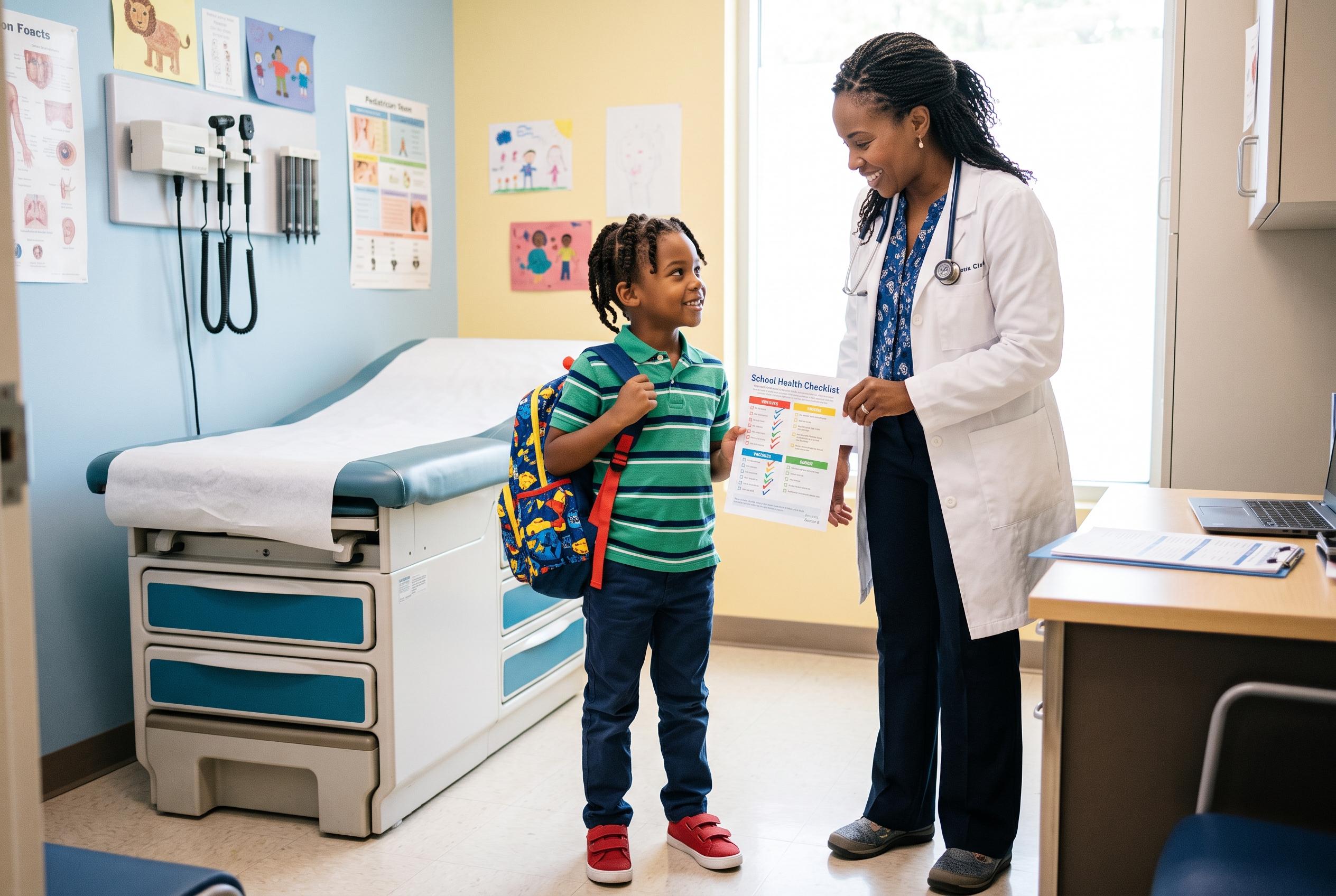

As the new school year approaches, Black families are encouraged to prioritise health checks such as well-child visits, vaccinations, and managing ongoing conditions to ensure children start term ready to learn and thrive.
For many Black families, the run-up to a new school year is a juggling act of work, transport, childcare and shopping. In that scramble, children’s health can easily slip down the list, even though the weeks before classes start are often the best time to deal with anything that could interrupt learning later on. BlackDoctor.org says the aim is not perfection but giving children the strongest possible start to the year.
A good place to begin is a yearly well-child appointment. The Cleveland Clinic and WebMD both describe these visits as more than routine measurements: they are a chance for doctors to track physical growth, emotional wellbeing and development, while also checking for issues that might affect school performance. The American Academy of Pediatrics recommends annual visits, and BlackDoctor.org notes that for Black parents, they can also be an opportunity to build trust with a paediatrician and raise concerns such as asthma or sickle cell disease.
Vision and hearing checks are another common gap. A child who cannot clearly see the board or hear instructions may look distracted or disengaged, when the real problem is an untreated medical issue. BlackDoctor.org advises parents to speak with their doctor if they notice squinting, headaches, sitting too close to screens or trouble following directions.
Vaccines should also be reviewed before the first bell rings. The Cleveland Clinic says all 50 states require certain immunisations for school entry, including DTaP, MMR, polio and chickenpox for children starting kindergarten, while some states add others such as hepatitis B, meningitis, hepatitis A and pneumococcal vaccines. The CDC says these requirements help keep vaccination coverage high and reduce the spread of preventable diseases. BlackDoctor.org and HealthyChildren.org both advise families not to wait until the last minute, when paediatric offices are busiest, and to use catch-up schedules if needed.
For children with ongoing conditions, the checklist becomes even more important. BlackDoctor.org says parents should make sure prescriptions are filled, EpiPens replaced, asthma plans updated and diabetes plans reviewed before school begins. The article cites CDC data showing asthma remains more common among Black children than white children, making a current asthma action plan especially important. Schools also need up-to-date emergency contacts, medication forms and any other documents that help nurses and teachers respond quickly. As BlackDoctor.org puts it, a little planning now can mean less time in the nurse’s office and more time in class.
Disclaimer: This content is for informational purposes only and is not intended to be a substitute for professional medical judgment, advice, diagnosis, or treatment.