

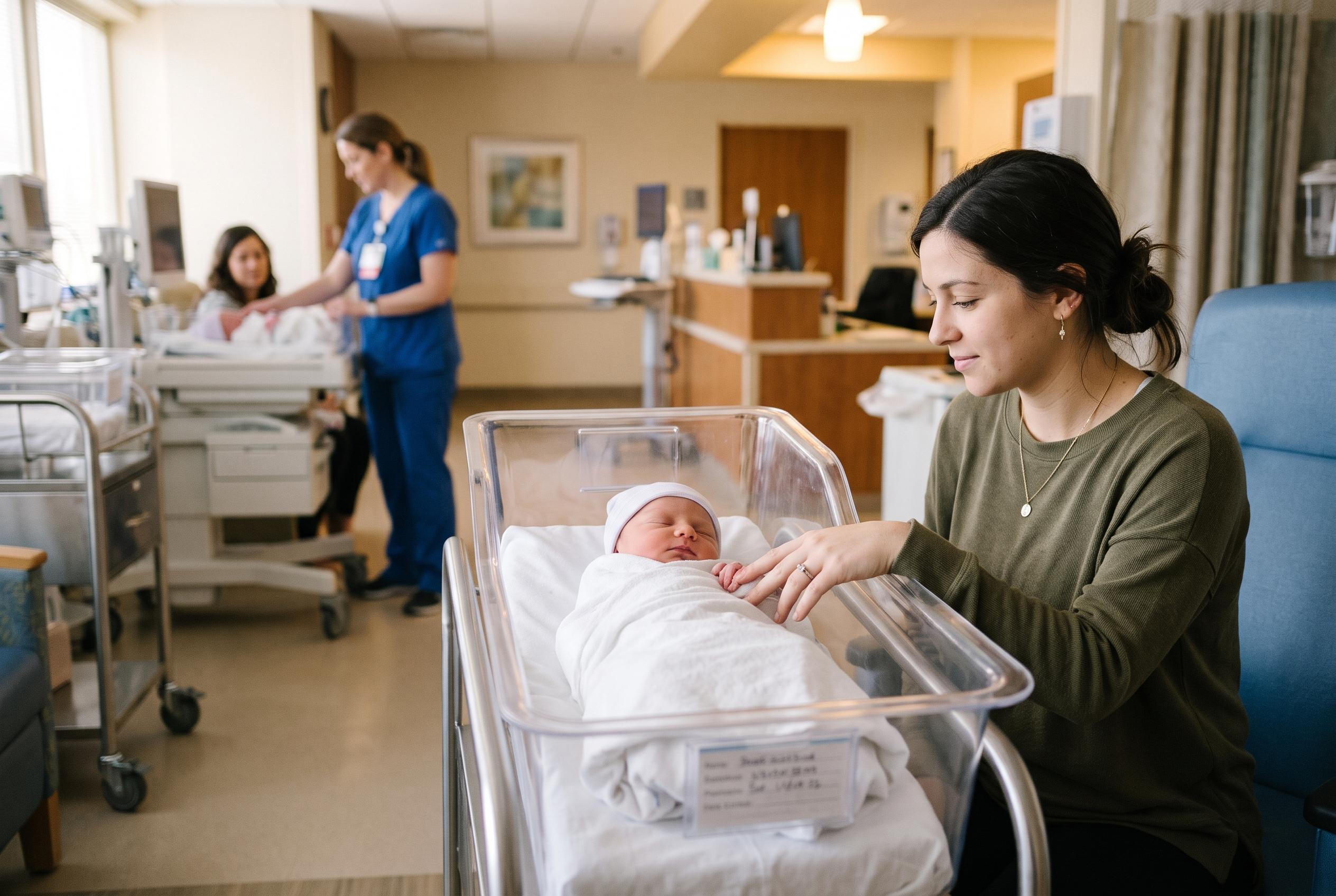

A Kaiser Permanente study of more than 15,000 full-term infants found fewer RSV infections and hospital admissions with either maternal vaccination or post-birth nirsevimab than with no protection.
A new Kaiser Permanente analysis adds to growing evidence that infants can be protected against respiratory syncytial virus, or RSV, either through vaccination during pregnancy or through a preventive antibody shot given after birth. The study, which looked at real-world use across two RSV seasons in northern California, found that both approaches were linked with fewer infections and fewer hospital admissions than no protection at all.
The research covered 15,124 full-term infants cared for within the Kaiser Permanente Northern California health system between 2023 and 2025. By using linked mother-infant records from two seasons, the investigators were able to compare how the two strategies performed outside a controlled trial setting, when families and clinicians choose among available options in everyday practice.
RSV prevention now rests on two different tools. Maternal vaccination during pregnancy helps the baby by passing protective antibodies across the placenta before birth. Nirsevimab, by contrast, is a monoclonal antibody given directly to the infant after birth, offering immediate short-term protection. Kaiser Permanente notes that nirsevimab is not a vaccine in the usual sense, but an antibody treatment designed to shield babies during their first RSV season.
The new analysis did not find a statistically significant difference between the two strategies in preventing infection or hospitalisation. Researchers cautioned, however, that this should not be read as proof the methods are identical, especially because serious cases were relatively uncommon and the study may not have been large enough to detect smaller differences. Even so, the findings support using either option in line with medical guidance, especially as earlier Kaiser Permanente work pointed to strong uptake of RSV protection among infants and to high effectiveness for nirsevimab in preventing severe illness and hospital treatment.
There are still important limits. The study focused on full-term babies within one health system, so the results may not apply as well to premature infants or to other care settings. But the broader picture from Kaiser Permanente’s research is clear: both maternal vaccination and infant antibody protection are playing a meaningful role in reducing RSV harm, and wider coverage remains important.
Disclaimer: This content is for informational purposes only and is not intended to be a substitute for professional medical judgment, advice, diagnosis, or treatment.



