

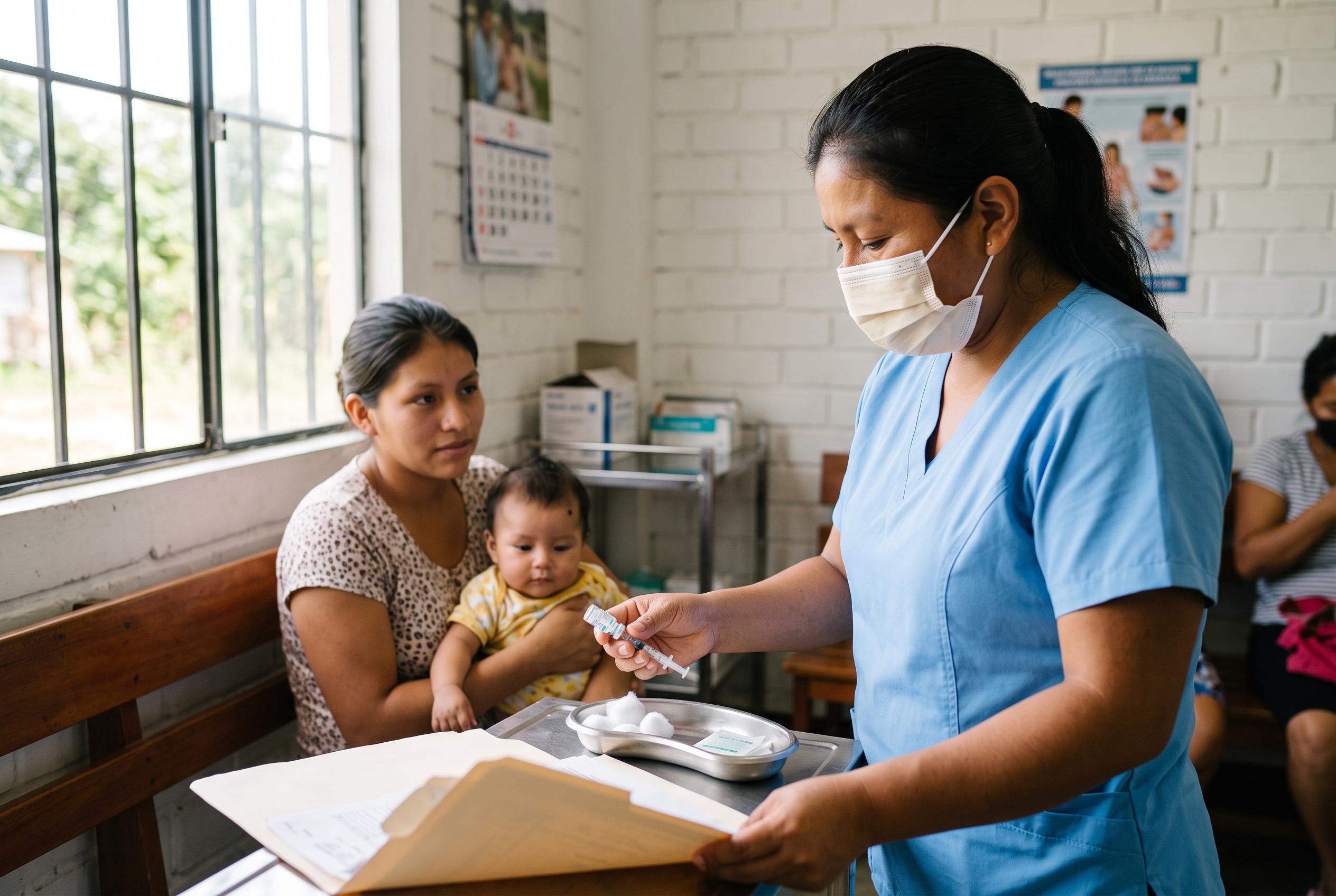

Peru has declared a 90-day health emergency in Loreto to combat a resurgence of whooping cough, emphasising the importance of completing vaccination schedules and maternal immunisation to protect vulnerable infants from this highly contagious respiratory disease.
Whooping cough, known medically as pertussis, is a highly contagious respiratory infection caused by the bacterium Bordetella pertussis. The World Health Organization says it is especially dangerous for infants, and the US Centres for Disease Control and Prevention notes that severe cases can lead to pneumonia, apnoea, convulsions and death in the youngest children. Early symptoms can look like a common cold, but the illness can quickly progress to violent coughing fits and breathing difficulty.
In Peru, the disease returned to the centre of public concern in 2026 after the government declared a 90-day health emergency in the province of Loreto because of the elevated risk of whooping cough and other respiratory illnesses. The measure, announced in mid-May, was designed to strengthen health response efforts in one of the country’s most vulnerable regions.
Health officials and vaccine specialists say the key message for families is that protection against whooping cough depends not only on starting vaccination, but on completing the full schedule. Peru’s national immunisation plan calls for the hexavalent vaccine at two, four and six months of age. That vaccine protects against six diseases: diphtheria, tetanus, whooping cough, hepatitis B, polio and infections caused by Haemophilus influenzae type b. Children then need a first booster at 18 months and a second at four years old.
Jorge Pérez, medical director for vaccines at GSK, said the issue is not simply knowing which vaccines exist, but making sure each dose arrives on time. He advised parents to check vaccination cards regularly so that missed doses can be identified and catch-up appointments arranged. The Ministry of Health has made the same point, stressing that the early doses are only part of the protection children are meant to receive.
Protection can begin even before birth. Peru’s vaccination schedule includes Tdap during pregnancy, a shot that guards against tetanus, diphtheria and whooping cough. The WHO says maternal vaccination can help shield newborns in the first months of life, when they are still too young to have completed their own course. That matters because the most serious cases of pertussis tend to occur in very young babies, who may develop apnoea even without the classic coughing spells seen in older children.
Families in Peru are being told to check immunisation records and seek care at the nearest health centre if a dose is overdue. The Ministry of Health also points parents to its 113 health line, which operates around the clock, and urges prompt medical evaluation for babies or children showing symptoms compatible with whooping cough because of the risk of breathing complications.
Disclaimer: This content is for informational purposes only and is not intended to be a substitute for professional medical judgment, advice, diagnosis, or treatment.



