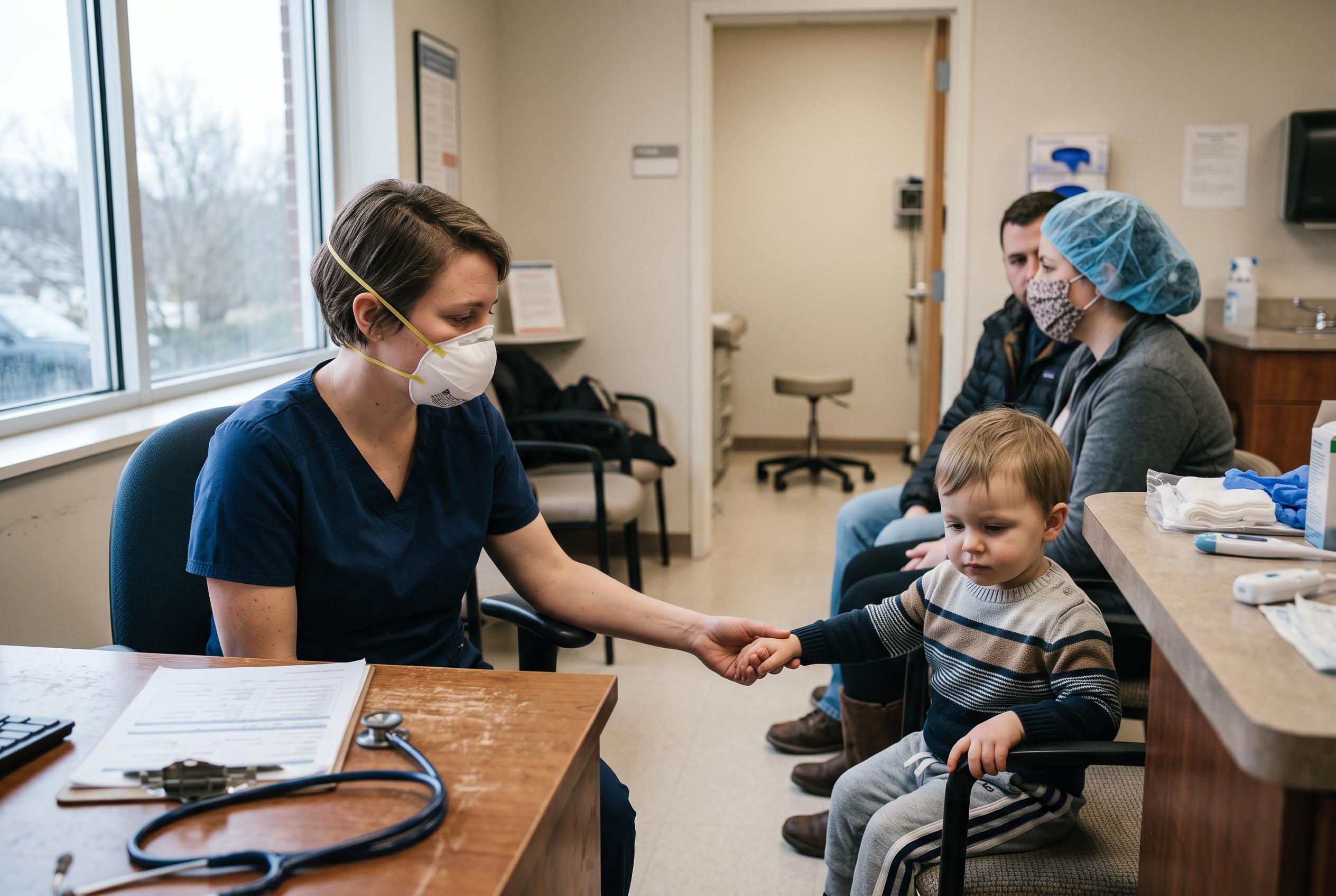

Pennsylvania seeks emergency assistance from the CDC as a surge in measles cases and disputed death tolls highlight escalating public health crisis amid political clashes.
Pennsylvania has opened the door to emergency help from the US Centres for Disease Control and Prevention as a large measles outbreak continues to spread across the state, but officials have warned they may withdraw the request unless the federal agency publicly acknowledges four deaths they say are linked to the disease. In a letter seen by The Guardian and first reported by Reuters, state health secretary Debra Bogen said Pennsylvania had started the process of seeking an Epi-Aid, the CDC’s emergency field support, while arguing that silence from the agency on the deaths was damaging the response.
The state’s outbreak has grown sharply in recent weeks. Pennsylvania’s health department said it had confirmed 731 cases across 38 counties by Wednesday, with four deaths attributed to measles-related illness as of Tuesday. That figure was up from earlier state updates showing 676 cases across 37 counties and, in a separate later update, 693 cases across 38 counties, underscoring how quickly the outbreak has expanded.
The dispute has become entangled in a broader political fight between Democratic governor Josh Shapiro and health secretary Robert F Kennedy Jr, who has questioned whether the Pennsylvania deaths were caused by measles or by other underlying conditions. Kennedy has also accused Shapiro of politicising the outbreak and not seeking federal help, while state officials say they had previously believed they could manage the situation themselves. Bogen wrote that the CDC’s refusal to recognise the deaths publicly was undermining the state’s response and could lead Pennsylvania to withdraw the request for federal assistance.
The outbreak has also exposed wider concerns about the direction of federal measles policy. Health experts have described the decision not to include Pennsylvania’s fatalities in the national count as highly unusual, warning that it risks making the disease appear less dangerous than it is. One Republican senator, Bill Cassidy, who chairs the Senate health committee, has blamed the Trump administration’s vaccine-sceptical stance for the recent deaths in Pennsylvania.
The federal tally has since shifted. NBC Philadelphia reported that the CDC later acknowledged one measles death in 2026, without saying where it occurred or identifying the patient. The Washington Post then reported that the agency updated its national count again late on Monday to two deaths, still without clarifying whether either was one of the Pennsylvania cases. That leaves the status of the state’s four reported deaths unresolved even as the outbreak continues to deepen and the country faces its worst measles resurgence in more than three decades.
Disclaimer: This content is for informational purposes only and is not intended to be a substitute for professional medical judgment, advice, diagnosis, or treatment.