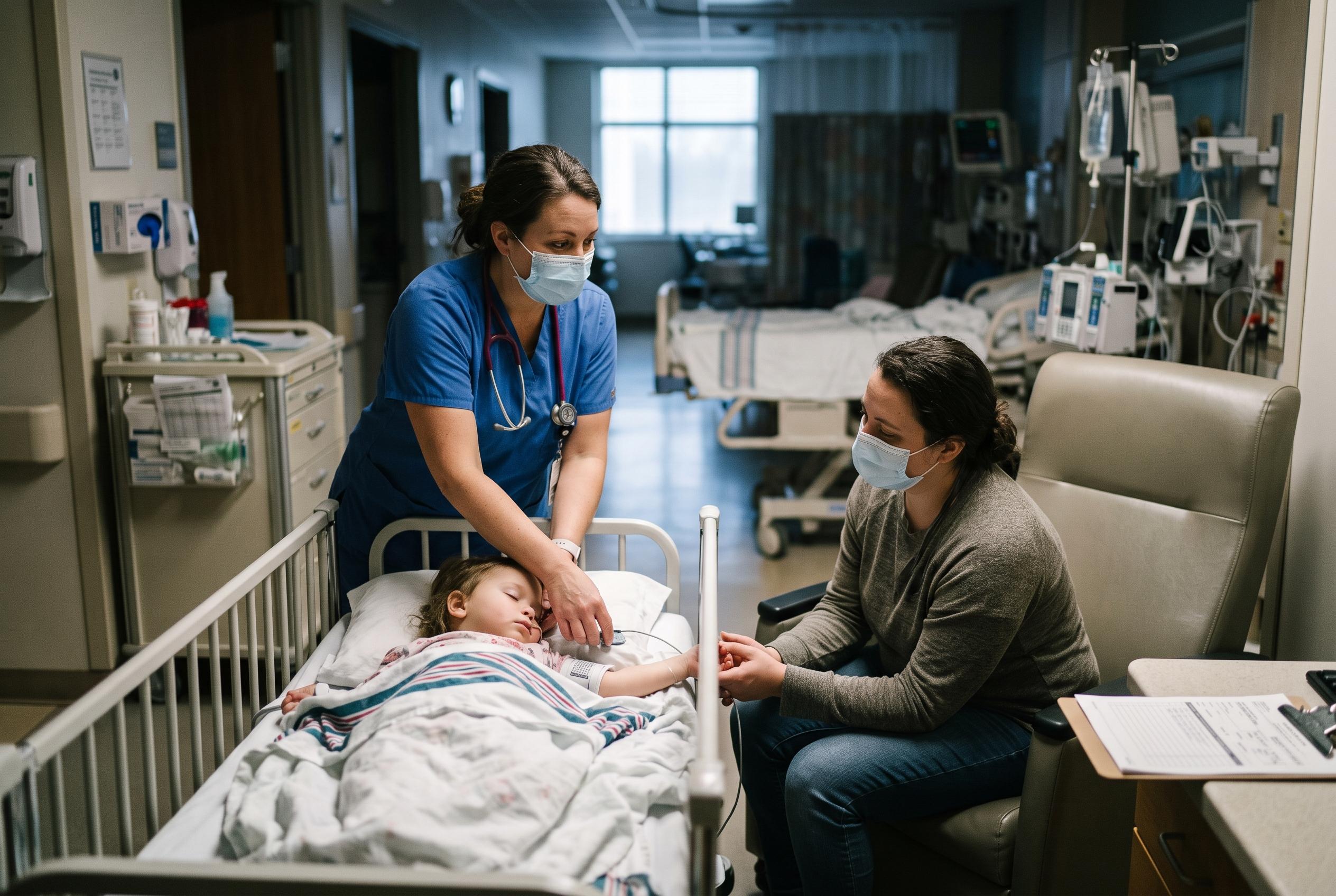

An escalating measles outbreak across Pennsylvania has resulted in rising hospitalisations, including two fatalities, highlighting the urgent need for increased vaccination efforts amid declining vaccination rates nationwide.
Pennsylvania’s measles outbreak has reached a troubling marker: state health officials say 98 people have been hospitalised, accounting for about 17% of the 577 confirmed cases reported on 4 September. That is markedly higher than the national hospitalisation rate of roughly 8%, underscoring how quickly the disease has affected families in the hardest-hit parts of the Commonwealth. According to the Pennsylvania Department of Health, the outbreak now spans 37 counties.
The latest state update also showed how rapidly the situation has worsened. On 4 September, officials said they had added 80 confirmed infections since 31 August, and they said Pennsylvania had now recorded two measles-related deaths in Lancaster County, the first such fatalities in the state in 35 years. The department has been publishing its own running tally, which can move ahead of the federal count because the two systems update on different schedules.
National figures help explain the scale of the outbreak, but they can mask the pressure on individual communities. The US Centres for Disease Control and Prevention said on 3 September that the country had 3,134 confirmed measles cases this year, including 248 hospitalisations. The agency said 95% of cases were linked to outbreaks and about 94% involved people who were unvaccinated or whose vaccination status was unknown.
In Pennsylvania, the outbreak has been concentrated enough to affect children disproportionately. State data cited at the start of September showed that about 30% of cases were in people under 18. Public-health experts say hospital admission does not always mean a patient is critically ill; measles patients are sometimes admitted so they can be isolated from others. Even so, admission brings real costs for families, including time away from work and potential medical bills.
Vaccination remains the main defence. The state health department says it has given more than 3,900 MMR shots at more than 100 pop-up clinics in affected communities since the outbreak began in late April. Its latest update said the vaccine is 97% effective after two doses. That effort comes as national kindergarten MMR coverage has slipped to 92.4% for the 2025-26 school year, below the 95% level generally needed to stop sustained spread in a community.
Officials have also widened exposure alerts beyond Lancaster County. The health department warned that travellers at the New Stanton Service Plaza on the westbound Pennsylvania Turnpike in Westmoreland County may have been exposed on 17 August by a person from another state who later tested positive. For parents and caregivers, the practical response is straightforward: check that children and adults have documentation of two MMR doses, and speak with a paediatrician about the extra early dose recommended for infants aged 6 to 11 months in areas with active transmission.
Disclaimer: This content is for informational purposes only and is not intended to be a substitute for professional medical judgment, advice, diagnosis, or treatment.