

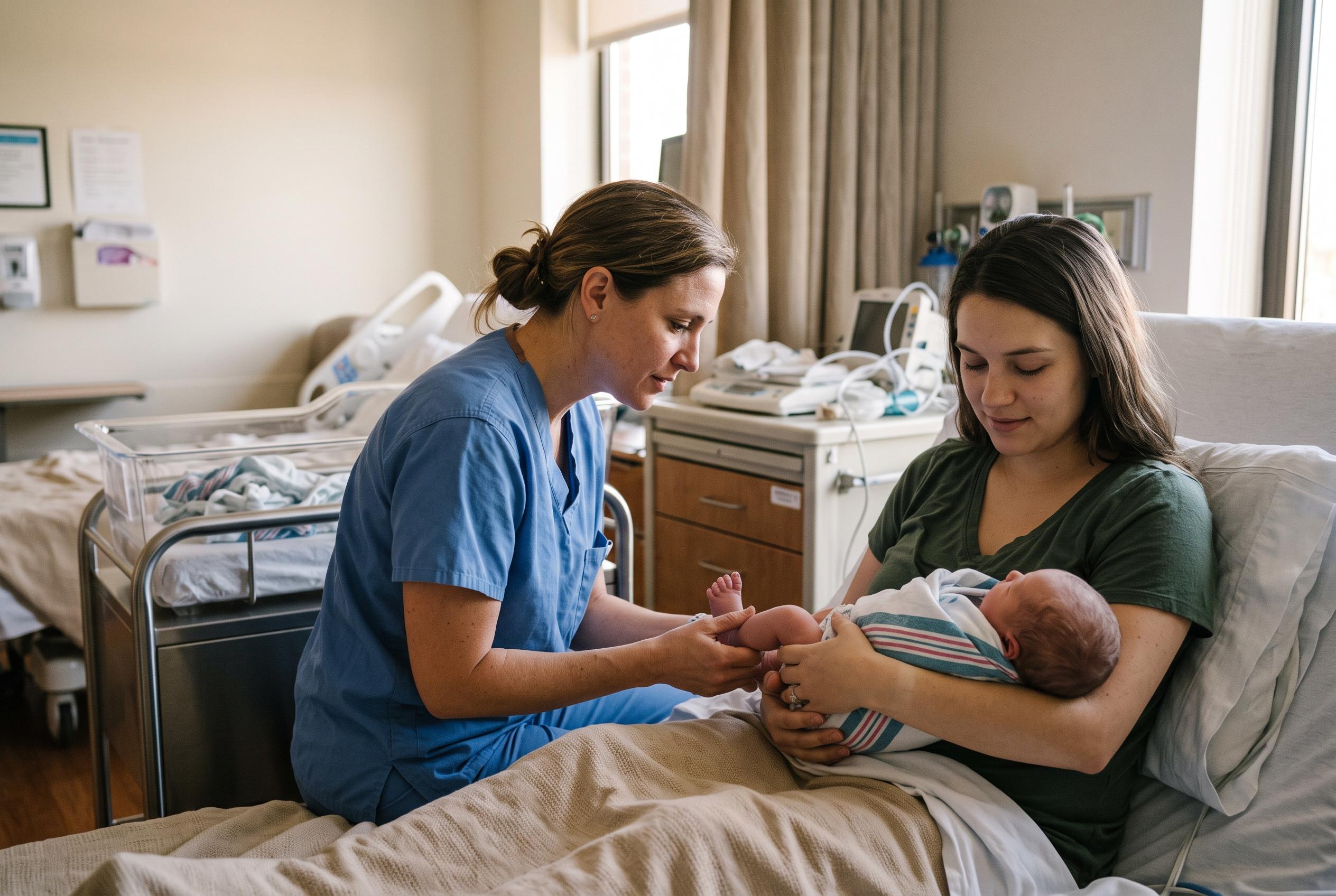

Health officials have urged doctors to watch for measles in pregnancy after an outbreak spanning 39 Pennsylvania counties produced an unusually high number of cases and reported congenital infections in newborns.
Pennsylvania health officials have warned doctors to watch for a rise in measles infections among pregnant women after the state’s outbreak produced an unusual number of cases in that group and at least one reported case of congenital measles, a condition that is rarely seen in the United States. The warning comes as the outbreak has continued to spread across the state, with the Pennsylvania Department of Health reporting 835 confirmed cases in 39 counties as of September 23 and more than 38,000 MMR doses given in the first three weeks of September, well above a typical monthly total of 25,000, according to state officials.
In the earlier alert, the department said 66 pregnant women in Pennsylvania had been diagnosed with measles since the outbreak began in late April. Officials said infection during pregnancy raises the risk of miscarriage, early labour and low birth weight. The true number of affected pregnancies may still be higher, however, because state law limits what can be disclosed about outcomes and the outbreak has largely affected Amish communities, where some families may not seek conventional medical care, NBC News reported.
Doctors also told NBC News that at least six babies in Pennsylvania were born with congenital measles, and that some had severe complications including pneumonia requiring intensive care. The American Academy of Pediatrics has said congenital measles occurs when a newborn’s mother is infected in the two weeks before delivery and the infant tests positive or develops symptoms within 10 days of birth. Babies can present with fever, rash, pneumonia, neurological problems and low platelet counts, and the condition can be fatal.
Health officials say the best protection is vaccination before pregnancy, because the MMR shot contains a live but weakened virus and is not given during pregnancy. For unvaccinated pregnant women exposed to measles, the department says immunoglobulin can be given within six days to reduce the risk of infection or severe illness. After delivery, the vaccine can be given safely, including to breastfeeding mothers. The state has said the MMR vaccine is 97% effective after two doses.
Public health officials have been expanding their response as cases climb. Pennsylvania said on September 4 that 577 cases had been confirmed across 37 counties and that more than 3,900 vaccinations had been delivered at over 100 pop-up clinics in affected communities. By September 14, the total had risen to 693 cases in 38 counties, and by September 23 the count had reached 835 cases across 39 counties, underscoring how quickly the outbreak has widened in recent weeks.
Disclaimer: This content is for informational purposes only and is not intended to be a substitute for professional medical judgment, advice, diagnosis, or treatment.



