


A resurgence of measles in Pennsylvania is forcing healthcare providers to reevaluate protocols for pregnant women and infants, highlighting the risks of falling vaccination rates and the need for updated guidelines as cases surpass 1,000.
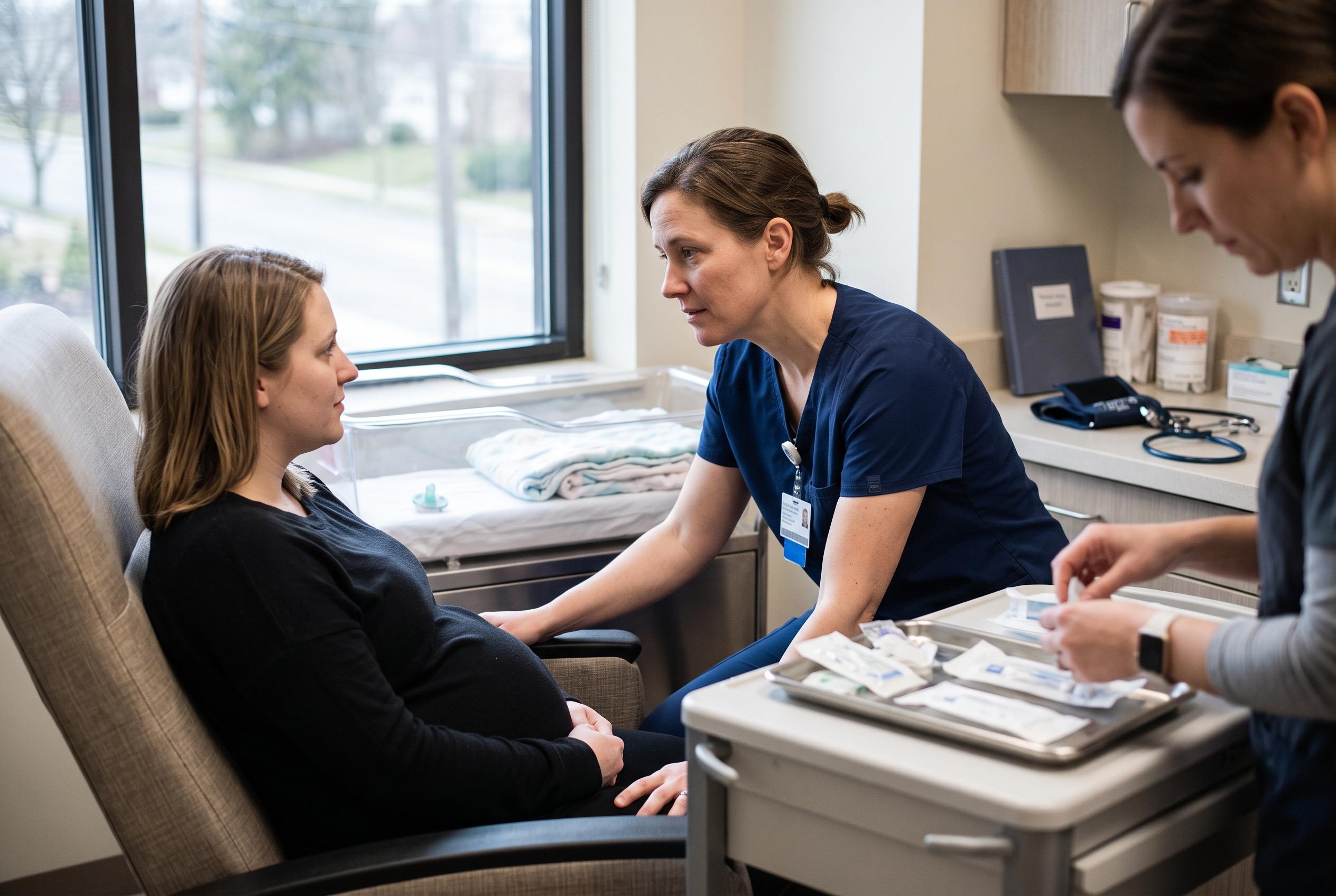
Pennsylvania’s worsening measles outbreak is forcing obstetricians and paediatricians to rethink parts of routine pregnancy and newborn care, as the virus reaches pregnant patients and infants at levels not seen in decades. Doctors in the state say the surge is changing what they discuss with families before conception, during pregnancy and after birth, with particular concern for babies too young to be vaccinated and for unvaccinated parents exposed during pregnancy. The outbreak is also exposing how quickly a respiratory illness can move across county and state lines, particularly in communities where vaccination has fallen behind.
Pennsylvania health officials said the state had recorded 977 measles cases by Friday, including 53 among pregnant women, across 39 counties. The outbreak has been linked to five deaths, among them two infants in Lancaster County, the epicentre of the state’s outbreak west of Philadelphia. One newborn had congenital measles after infection passed in utero from an unvaccinated mother; the other infant, who was reportedly six weeks old and had a genetic birth disorder, was not clearly exposed before or after birth. The Associated Press reported that the state’s tally has since crossed 1,000 cases, underscoring how quickly the outbreak has intensified.
Physicians say the medical stakes are especially high when measles reaches pregnancy. Infection in an unvaccinated pregnant patient can raise the risk of miscarriage, early delivery and low birth weight, while newborns infected around delivery may face severe illness with few treatment options beyond supportive care. The American Academy of Pediatrics released new guidance last month on congenital measles, warning that infection passed from parent to baby around birth can be particularly dangerous and that doctors should consider immune globulin in some exposed infants if infection has not already taken hold. Paediatric infectious disease specialists say many clinicians practising now have never managed measles in real life, making up-to-date recognition and response more difficult.
That has prompted some doctors to check immunity more aggressively before conception, rather than assuming childhood vaccination records are complete. Obstetricians note that the measles-mumps-rubella vaccine is not given during pregnancy because it contains a live virus, so protection needs to be established beforehand whenever possible. The American College of Obstetricians and Gynecologists advises doctors to confirm immunity either through documented vaccination or blood testing, and some clinicians are now using bloodwork to verify protection in patients planning pregnancies. The shift reflects a broader concern: routine childhood vaccination has been slipping, and Pennsylvania says many counties remain below the level needed for herd immunity.
Public health officials are trying to blunt the impact with vaccine drives. Pennsylvania said state health centre staff and pop-up clinics have administered thousands of MMR doses this year, and more clinics are planned. Nationally, the outbreak has unfolded against a backdrop of more than 3,800 confirmed measles cases this year, according to public health figures cited by doctors and the Associated Press, the highest U.S. total in decades. Experts say the combination of falling vaccination rates, misinformation and highly mobile populations means pregnancy and newborn care may have to adapt further if outbreaks continue to spread beyond current hotspots.
Disclaimer: This content is for informational purposes only and is not intended to be a substitute for professional medical judgment, advice, diagnosis, or treatment.



