

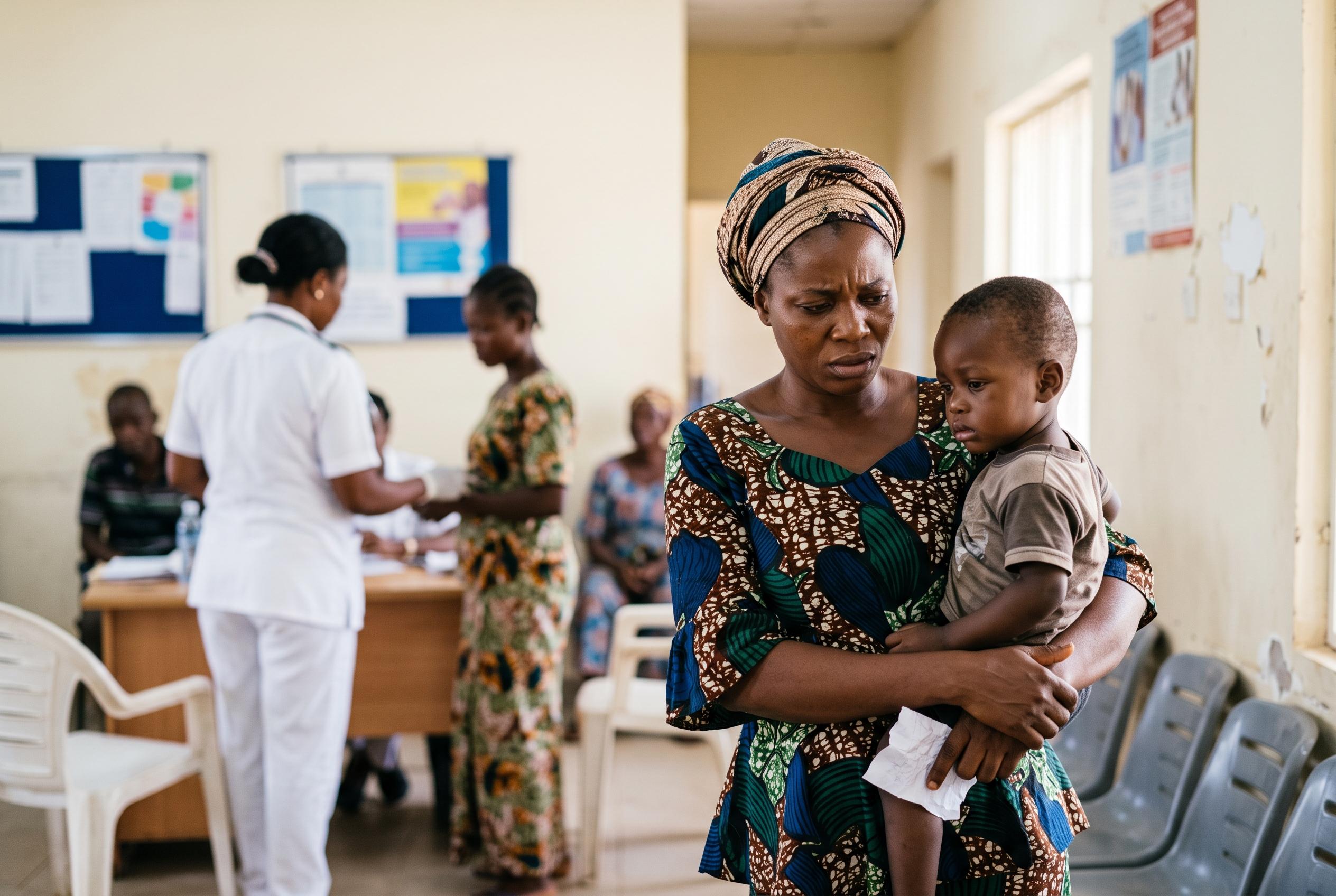

Health officials in Nigeria’s Federal Capital Territory urge parents to seek immediate medical attention for suspected diphtheria cases amidst a growing outbreak that has claimed two children’s lives and prompted intensified containment measures across Abuja.
Health officials in Nigeria’s Federal Capital Territory are urging parents to avoid home treatment and seek immediate care for suspected diphtheria cases, as Abuja grapples with an outbreak that has left two children dead and prompted a wider public health response. Adedolapo Fasawe, the mandate secretary for health services and environmental secretariat, said officials had investigated 15 suspected cases, with five confirmed by laboratory testing.
The territory administration has stepped up containment efforts by sending an incident management team into affected communities, including Karshi and nearby areas, to trace contacts, give preventive antibiotics and reinforce public education. Fasawe said some patients had recovered and been discharged, but warned that diphtheria can worsen quickly if treatment is delayed.
She also cautioned residents not to try to remove the pseudo-membrane that can form at the back of the throat of an infected patient, describing it as a dangerous practice that can cause severe bleeding. The warning followed reports of a child who died after a local barber reportedly tried to cut away the membrane, a case health officials say illustrates the risks of relying on untrained healers or home remedies.
Health workers are now using local languages, including Hausa and Gbagyi, to explain symptoms, prevention and treatment, while the Nigeria Centre for Disease Control and Prevention is providing technical support. The World Health Organisation has also urged families to close vaccination gaps through routine childhood immunisation, while Fasawe’s office said children aged five to nine appear to be the most vulnerable group in the current outbreak. Officials said there is no cause for panic, but they urged parents to seek prompt care for fever, cough, catarrh, neck swelling or breathing difficulty, and to keep up basic hygiene as part of the response.
Disclaimer: This content is for informational purposes only and is not intended to be a substitute for professional medical judgment, advice, diagnosis, or treatment.



