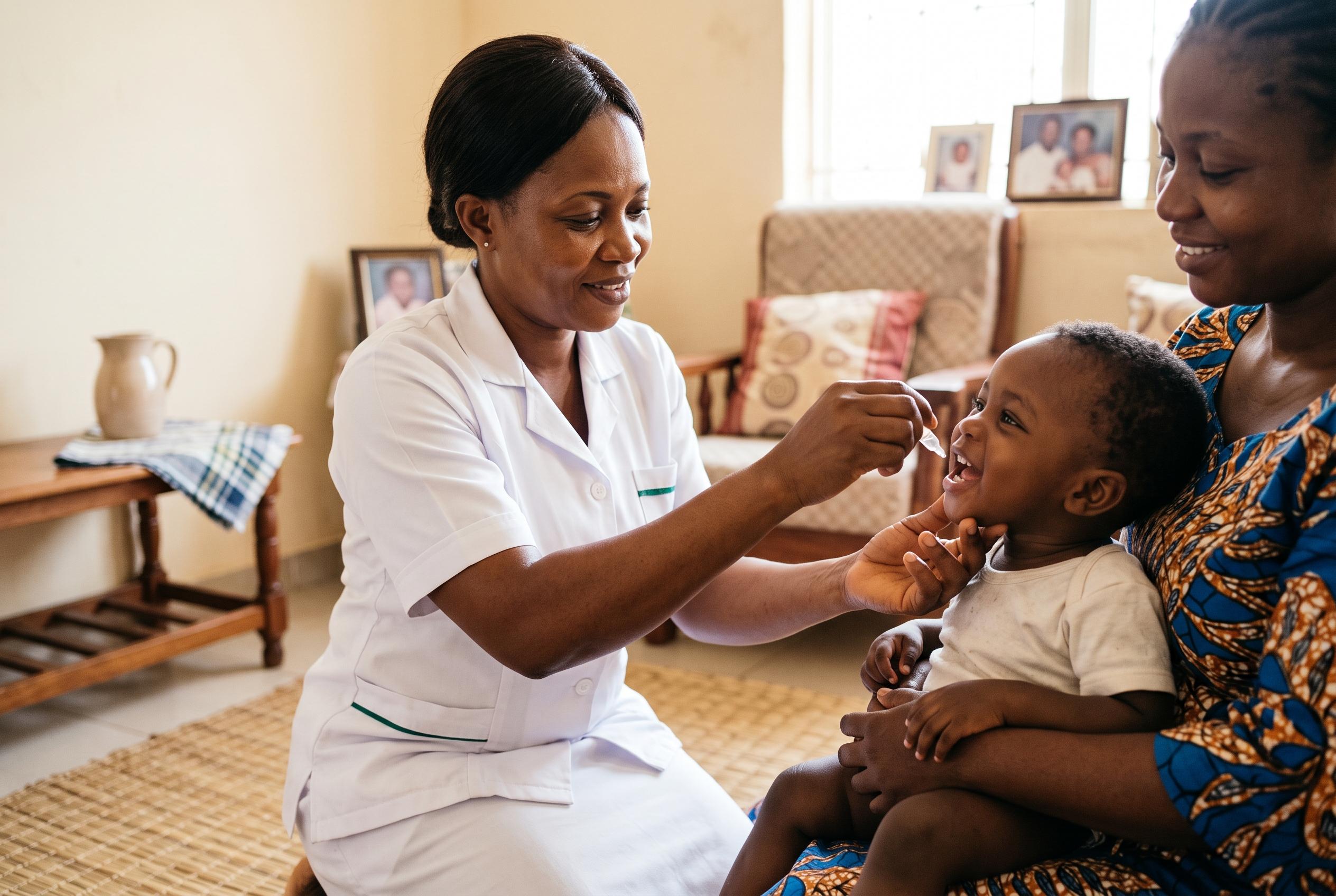

Nigeria has been officially recognised by the World Health Organization as free of wild poliovirus, marking a historic milestone in the global fight against the disease. Despite this achievement, health officials emphasise the need for continued vaccination to prevent the virus’s return.
Nigeria has been recognised by the World Health Organization as free of wild poliovirus, after the Africa Regional Certification Commission accepted the country’s full documentation for the status. The announcement, made through WHO’s Africa office in Brazzaville, was described by the agency as a landmark moment for Nigeria and for the wider polio eradication effort.
The certification followed years of progress in which Nigeria had interrupted transmission of wild poliovirus and met the international threshold for verification. WHO’s Africa office previously said Nigeria was removed from the list of polio-endemic countries in October 2015 after 15 months without wild poliovirus transmission, a major step on the road to full regional certification. By August 2020, WHO said Nigeria and the rest of Africa had been declared free of wild poliovirus after more than four years without a detected case of wild poliovirus type 1.
Health officials and partners have repeatedly cautioned that certification does not mean the campaign is over. WHO and UNICEF said after the 2020 declaration that routine vaccination still had to continue to prevent any return of the virus and to protect children from other vaccine-preventable diseases. WHO’s transition materials also noted that gaps in routine immunisation remain a concern, including millions of Nigerian children who have not received all recommended vaccines.
In Nigeria, National Primary Health Care Development Agency chief Faisal Shuaib called the documentation acceptance a historic moment and credited the work of government teams and international partners. He also thanked President Muhammadu Buhari, Aliko Dangote and Bill Gates for their financial and technical support in the long fight against polio.
Disclaimer: This content is for informational purposes only and is not intended to be a substitute for professional medical judgment, advice, diagnosis, or treatment.