

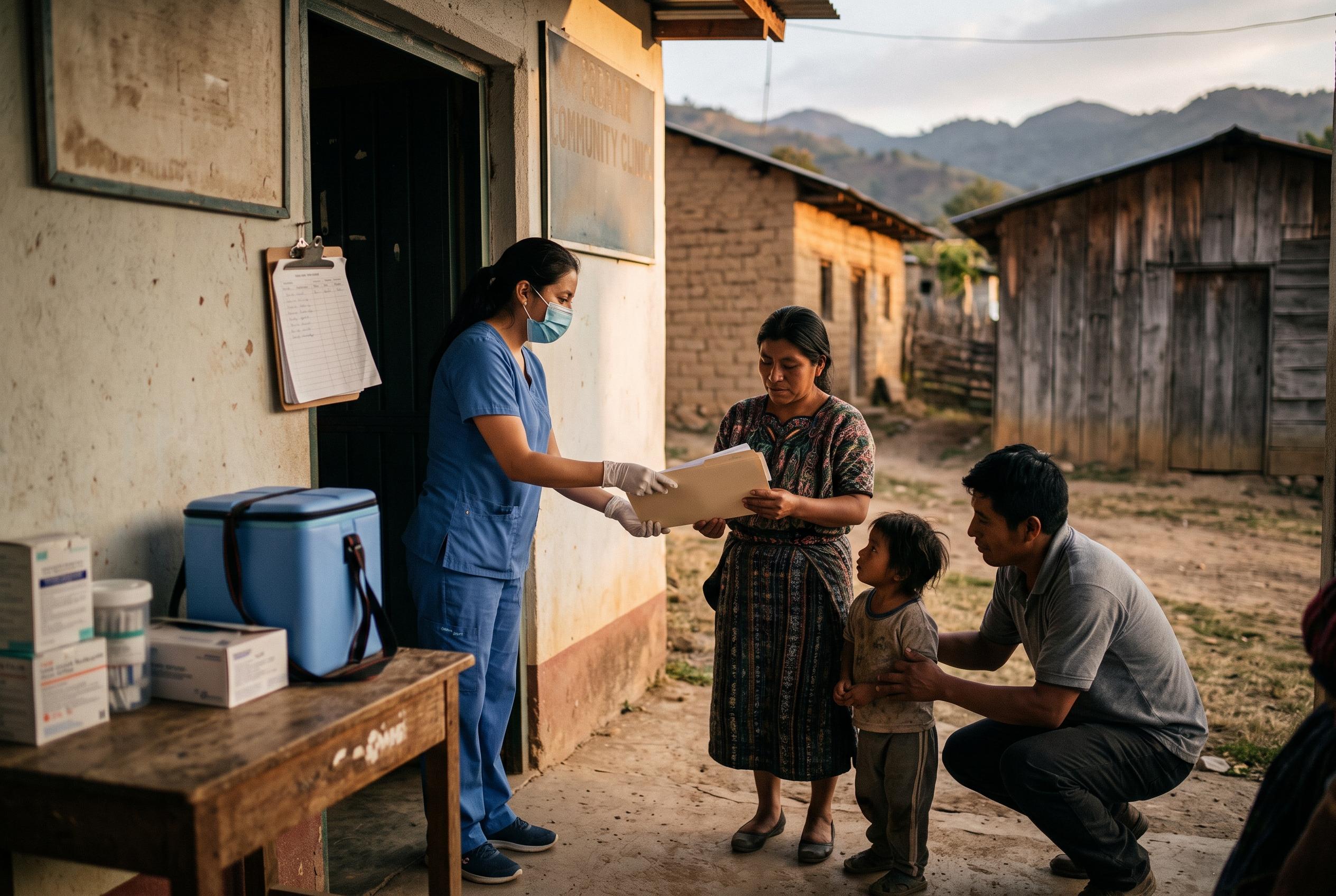

Amid a sharp rise in cases concentrated in rural areas, New York declares a disaster emergency to bolster vaccination efforts and curb the measles outbreak threatening under-immunised communities.
New York is confronting a sharp rise in measles cases that state officials say is concentrated in rural communities, with Gov. Kathy Hochul warning that the outbreak has become serious enough to justify a disaster emergency. According to the state, 108 cases had been reported by 3 October, including 92 recorded since 15 July in rural areas spanning 18 counties. The emergency declaration is intended to widen access to vaccination and speed up the public health response.
The latest figures mark a steep increase from earlier in the year. On 24 August, the New York State Department of Health said there had been 29 confirmed cases statewide, after which it launched a measles dashboard on 15 September to track infections more closely. By early October, the total had nearly quadrupled, underscoring how quickly the virus can spread in under-immunised communities.
Health officials say the main defence remains the measles, mumps and rubella vaccine, commonly known as the MMR jab. Dr James McDonald, New York’s health commissioner, said many families still had questions about vaccination rather than active opposition, and he urged wider education and access. He also warned that even a single measles case is cause for concern because the disease is so contagious.
The emergency order has practical consequences on the ground. Julie Hall, the chief nursing officer at Mohawk Valley Health System, said the declaration has made it easier for nurses to vaccinate eligible patients under standing orders without waiting for a provider to step in. In Lewis County, health director Ashley Waite said the immediate risk to the general public remains low, especially for people who are fully vaccinated or were born before 1957, though she said recent local cases were found in unvaccinated people. Bassett Healthcare Network said it is prepared to care for patients with measles, while also recommending the MMR vaccine as the best protection. Some rural health leaders, including Oneida Health chief executive Felissa Koernig, have pointed to the outbreak as further evidence that stronger links between health providers and public agencies are needed in upstate communities.
Disclaimer: This content is for informational purposes only and is not intended to be a substitute for professional medical judgment, advice, diagnosis, or treatment.



