
Recent changes and disagreements in US vaccination guidelines during pregnancy underscore the importance of personalised medical advice as authorities navigate evolving scientific evidence and policy splits, especially concerning COVID-19 and infant protection strategies.
Pregnancy is one of the few times when vaccination protects two patients at once. For newborns, that matters because the first weeks of life are a biologically vulnerable gap: babies are not yet old enough for their own pertussis, influenza or, in most cases, respiratory syncytial virus protection, so the immunity they receive before birth can be crucial. The Centres for Disease Control and Prevention says maternal vaccination helps shield both pregnant people and their infants from severe vaccine-preventable illness.
That protection depends on timing. Antibodies move across the placenta most efficiently in the third trimester, which is why obstetric guidance sets specific windows rather than leaving vaccination to convenience. The CDC advises a single dose of the maternal RSV vaccine, Pfizer’s Abrysvo, during weeks 32 through 36 of pregnancy and only during the seasonal window from September to January in most of the United States. For tetanus, diphtheria and pertussis, or Tdap, guidance calls for one dose in every pregnancy. Influenza vaccine can be given in any trimester, but only inactivated or recombinant forms are recommended during pregnancy.
For families, the RSV question is often the most confusing because there are two ways to protect an infant. A pregnant person can receive the maternal vaccine in the approved window, or the baby can be given a long-acting monoclonal antibody after birth. The CDC says the infant antibody is used when the mother was not vaccinated during the current pregnancy, while protection from the maternal shot is intended to carry the baby through the first RSV season and then fade over time. ACOG says the same practical point in its 2026 maternal immunisation schedule: clinicians should assess vaccine status routinely and use the approach that fits the pregnancy and season.
The wider policy backdrop has become more complicated this year. In June, the American College of Obstetricians and Gynaecologists released a 2026 maternal immunisation schedule that differs from federal recommendations for the first time, according to the organisation. ACOG says the schedule is endorsed by 13 medical societies and health organisations and continues to recommend influenza, Tdap, RSV and COVID-19 vaccination during pregnancy. The CDC’s current guidance, by contrast, no longer recommends COVID-19 vaccination for healthy pregnant women, creating the first major split between the two sets of advice.
That divergence can leave expectant parents hearing different advice from an obstetric practice, a pharmacy or an online schedule. But the disagreement is narrow. It is largely about COVID-19 policy and about the process behind federal recommendations, not about the underlying science that maternal antibodies help bridge the months before an infant can be vaccinated directly. ACOG and the CDC both continue to stress the importance of discussing vaccination status during prenatal care, especially for RSV, which has a hard gestational cutoff of 36 weeks and 6 days.
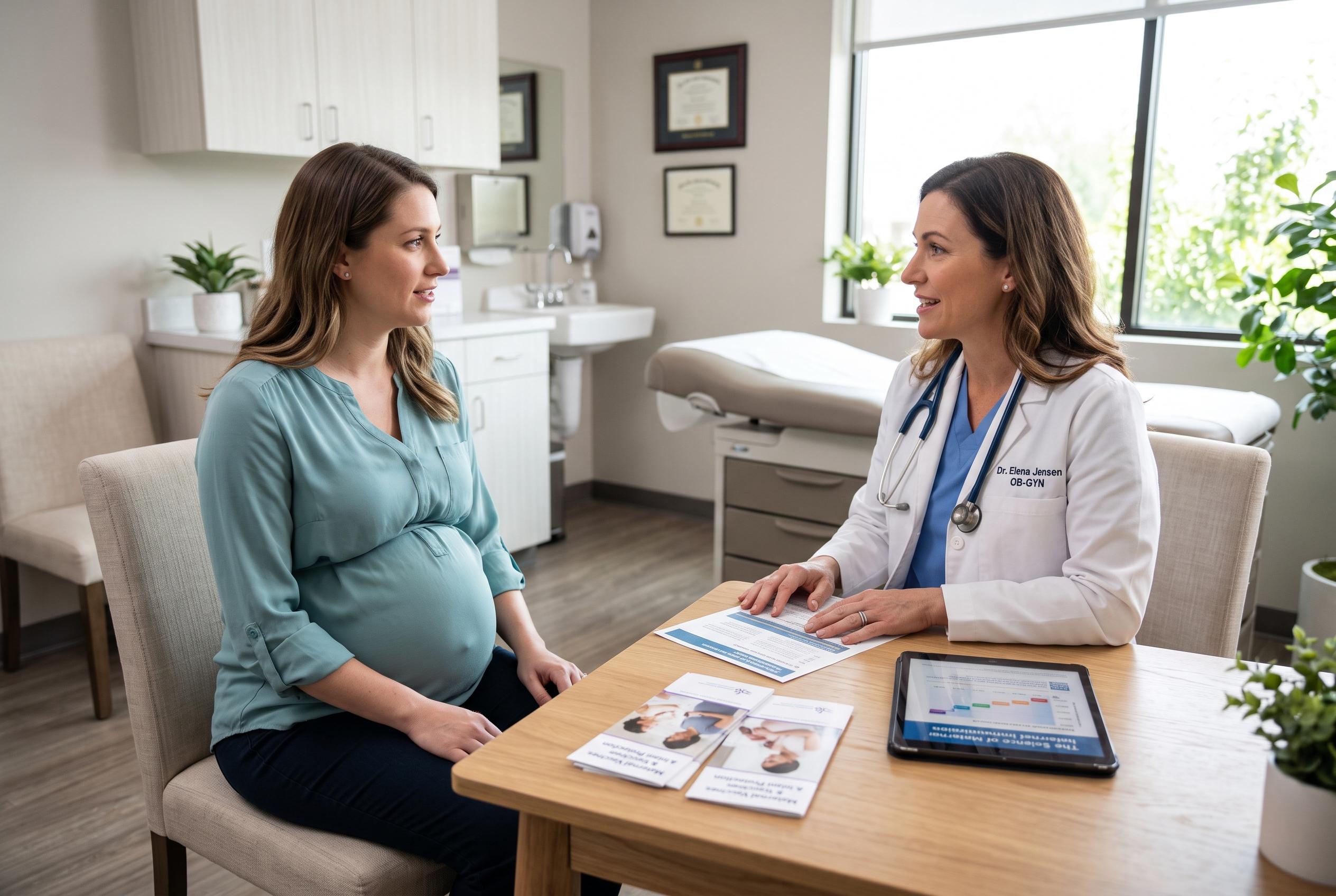
For patients heading into autumn and winter, the practical advice is straightforward: bring vaccination questions to the next prenatal visit, ask which schedule the clinician follows and confirm whether the practice gives vaccines on site or refers elsewhere. The CDC says household members also matter, since adults can spread pertussis to newborns. For families with immune conditions, prior vaccine reactions or complicated pregnancies, the safest course is individual medical advice rather than guesswork.
Disclaimer: This content is for informational purposes only and is not intended to be a substitute for professional medical judgment, advice, diagnosis, or treatment.