

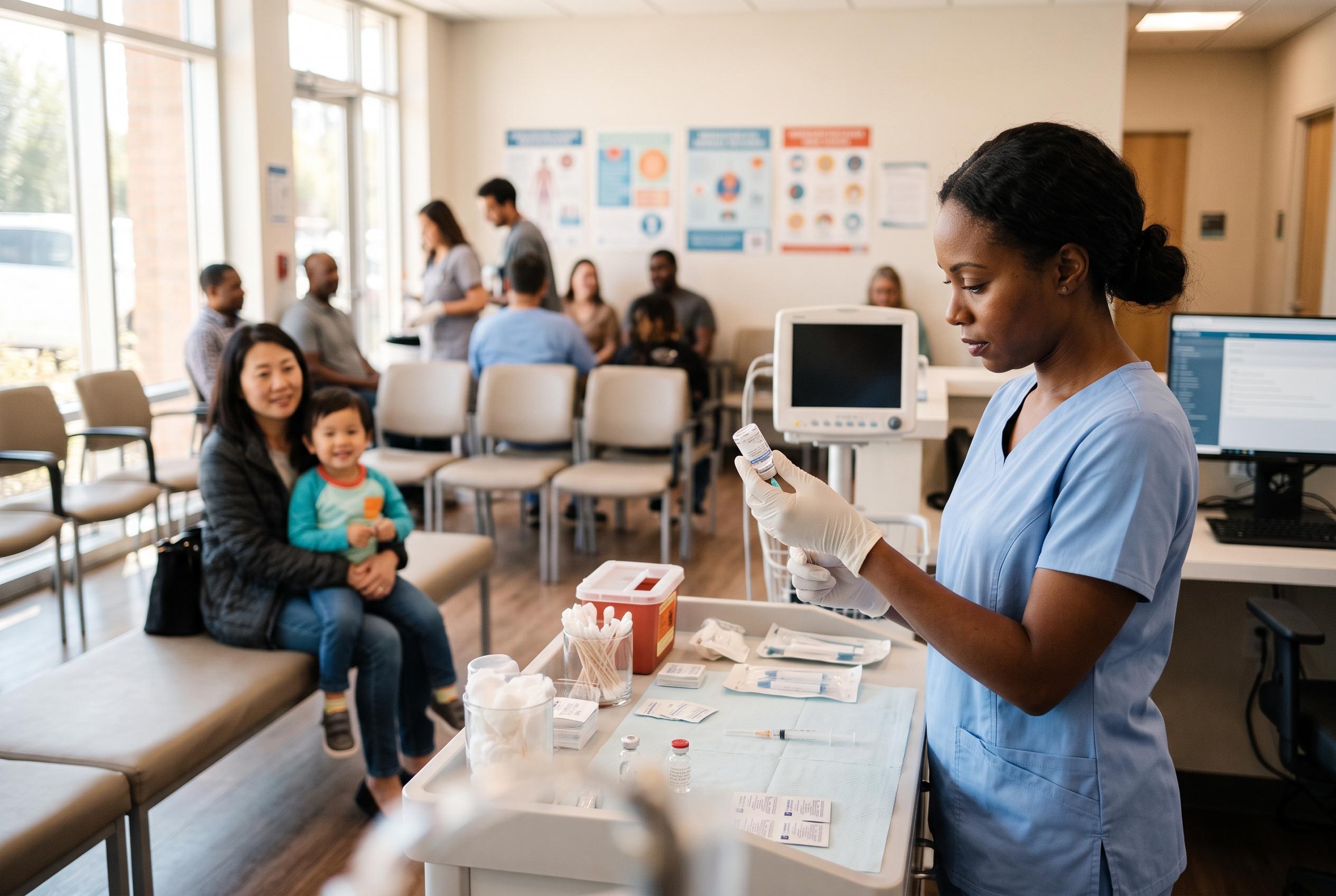

Modern vaccination programmes continue to triumph over infectious diseases, supported by improved safety monitoring and expanded coverage, safeguarding communities worldwide and reducing disease burden.
Vaccines remain one of the most effective tools in modern medicine for preventing infectious disease and reducing its severity. They have helped eliminate smallpox worldwide and have pushed some other illnesses, including polio in the United States, to the margins of everyday life, with the disease now appearing there mainly through importation from elsewhere. Public health agencies and medical organisations also point to long-term declines in cases of illnesses such as tetanus, measles and whooping cough as further evidence of their impact.
At their core, vaccines train the immune system to recognise a specific germ before it causes serious harm. The Centres for Disease Control and Prevention explains that vaccination works by introducing a small amount of antigen, a substance the body can identify as foreign, which prompts the immune system to produce antibodies and retain a memory of how to respond later. That protection can lower the risk of infection altogether, or make illness less severe if exposure does occur. The CDC says vaccines are available against dozens of diseases, and the World Health Organization describes immunisation as a cornerstone of primary healthcare that saves millions of lives each year.
Children are among those who benefit most from timely vaccination, especially in the earliest months of life. The immune system at birth is still developing, while babies and young children are exposed to countless germs every day. That is why paediatric vaccination schedules begin early and continue through childhood and adolescence, building layers of protection at a stage when the consequences of infection can be especially serious.
Safety monitoring is a central part of the vaccine system in the United States. According to the CDC, the Vaccine Adverse Event Reporting System, known as VAERS, accepts reports from the public, clinicians and manufacturers about health problems that happen after vaccination. Those reports do not prove that a vaccine caused the problem, but they can flag patterns that deserve closer study. The CDC also uses the Vaccine Safety Datalink, which reviews electronic health records from participating healthcare organisations, to look for unusual adverse events and to study rare or serious side effects in greater detail.
Most people who are vaccinated experience little more than temporary discomfort, if anything at all. Common short-term effects include fever, fatigue, aches, redness, swelling or tenderness at the injection site, and these usually clear within a few days. Health professionals generally say that several vaccines can be given during the same appointment, which can reduce the number of visits a family needs to make. People with a mild illness such as a low-grade fever, a cold or a runny nose may still be able to be vaccinated, though parents should seek advice before giving children under 12 weeks old any acetaminophen, or before using ibuprofen in children younger than six months.
For many families, the practical message is simple: vaccination is not just about avoiding one illness, but about reducing the chance of complications, hospital treatment and, in some cases, death. As the CDC and WHO both stress, immunisation protects not only individual patients but also communities, especially those who are too young, too ill or otherwise unable to be vaccinated themselves.
Disclaimer: This content is for informational purposes only and is not intended to be a substitute for professional medical judgment, advice, diagnosis, or treatment.



