

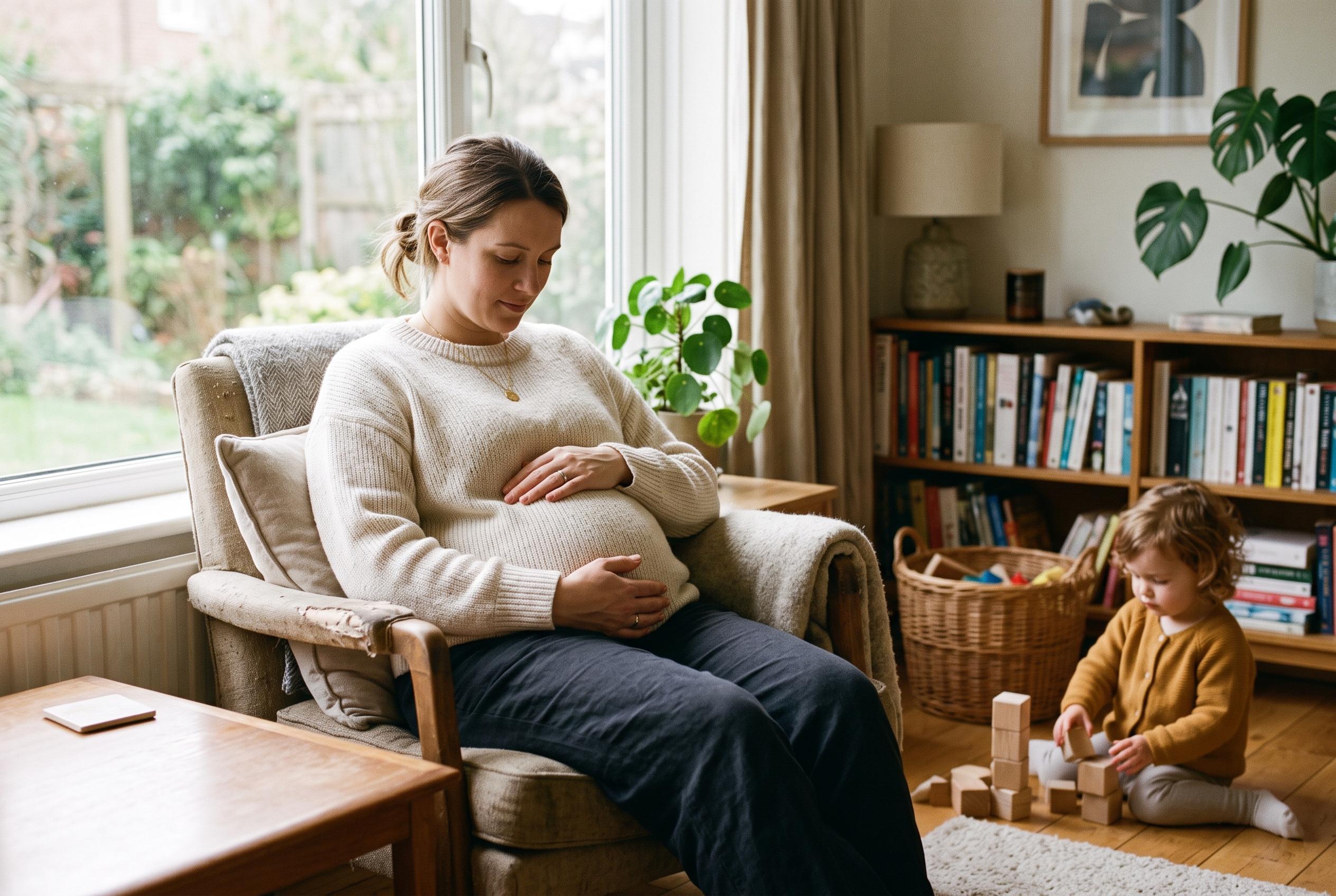

Families affected by devastating group B streptococcus infections are calling for volunteers as researchers test whether maternal immunisation can protect babies from sepsis, meningitis and pneumonia.
Families affected by group B streptococcus are urging pregnant women to consider taking part in a new vaccine study as researchers seek better protection for newborns against a leading cause of severe infant infection.
The BEATRIX trial, backed by the National Institute for Health and Care Research and sponsored by Pfizer, is being described as the first large-scale phase 3 study of a GBS vaccine. Researchers from the NHS, UK universities and international partners are testing whether maternal immunisation could help prevent infections that can lead to sepsis, pneumonia and meningitis in babies.
According to the article in PharmaTimes, the call to action comes from mothers whose children became critically ill with GBS, a bacterium that is also linked with stillbirths and avoidable infant deaths. The publication said around one in every 1,000 babies in the UK and Ireland develops a GBS infection in the first three months of life, while the infection is associated with the deaths of about 50 babies a year and long-term disability in around 70 others.
Professor Paul Heath, the BEATRIX chief investigator, said GBS can cause serious illness in newborns and that there is still no licensed vaccine to prevent those infections. He said the study is assessing an investigational maternal vaccine and is designed to deepen understanding of immunisation in pregnancy against the bacterium. Lucy Chappell, chief executive of the NIHR, said the experiences shared by affected families show why research matters, adding that each participant brings researchers closer to evidence needed to protect mothers and babies.
The new trial builds on a wider body of vaccine research that has already shown promise in earlier-stage studies. A phase 1/2 trial published in Nature Medicine reported that a maternal hexavalent vaccine candidate, GBS6, was generally well tolerated in pregnant and non-pregnant women and produced antibody responses that crossed the placenta to infants. Other studies indexed in PubMed found that candidate vaccines such as GBS-AlpN and a trivalent formulation were also safe and triggered strong immune responses in pregnant women, with encouraging evidence of antibody transfer to babies. An earlier phase 1b trial helped refine doses and schedules for maternal vaccination, underlining how the field has progressed from feasibility studies to the current late-stage effort.
Health Innovation Minister James Frith said no parent should have to experience the fear faced by families affected by GBS, describing the study as an example of how life sciences partnerships can accelerate innovation and deliver long-term benefits. The BEATRIX trial is now recruiting and is scheduled to run until March 2029, as scientists look to determine whether a maternal vaccine could one day help prevent avoidable newborn deaths and serious disability.
Disclaimer: This content is for informational purposes only and is not intended to be a substitute for professional medical judgment, advice, diagnosis, or treatment.



