

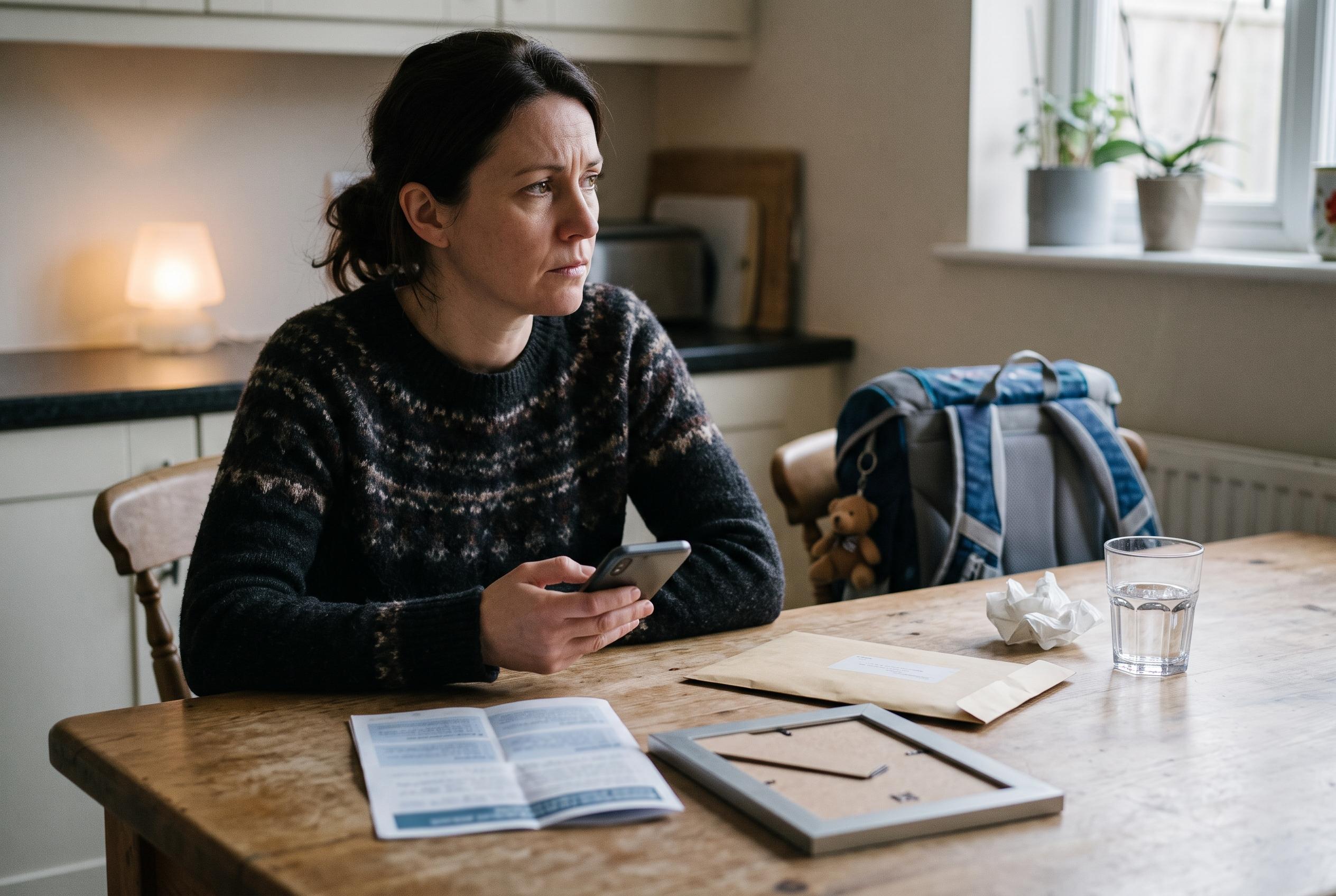

Nicole Zographou urges parents and students to get the MenB vaccine after her 18-year-old son George died from meningitis B, highlighting the speed of the illness and the importance of full vaccination to prevent similar tragedies amid ongoing vaccination campaigns in the UK.
Nicole Zographou is urging parents, students and school leavers to take the MenB vaccine after the death of her younger brother, George, who died aged 18 after developing meningitis B on the way to his first music festival. Speaking to the Mirror, Zographou said the illness moved with frightening speed: he felt slightly unwell, then deteriorated so badly within days that his family had to turn off his life support. She said a coroner later concluded that vaccination was the only thing that could have saved him. The family’s experience, she said, left a permanent void.
Her warning comes as health authorities intensify efforts to improve take-up of a one-off vaccination programme aimed at teenagers and young adults. According to the UK Health Security Agency, MenB accounted for 97% of invasive meningococcal disease cases in 15- to 24-year-olds in England in 2025-26, while first-year university students face a risk about seven times higher than their peers who do not attend university. The government launched the scheme in June for school leavers and first-time university students under 25, with two doses offered at least four weeks apart before term starts.
The programme was introduced after what the BMJ described as the UK’s largest and fastest-growing meningitis B outbreak in Kent, which led to two deaths. The Department of Health and Social Care said the initiative also covers international students under 25 starting university for the first time, with many encouraged to have the jab before travelling to the UK. Meningitis charities say the vaccine has been part of the routine childhood schedule since 2015, but this extra campaign is designed to close a gap in protection as more young people move into shared accommodation and wider social settings.
Zographou, who works in public health, said the danger is that meningitis can look like a minor illness at first. She and pharmacists involved in the rollout say warning signs include a stiff neck, sensitivity to light, confusion and difficulty waking, and that families should not wait for a rash before seeking emergency help. Well Pharmacy deputy superintendent Wendy Lee told the Mirror that many carriers never become ill, but a small number can deteriorate rapidly once the bacteria enter the bloodstream or cause meningitis. Her message was blunt: if a first dose has already been given, students must return for the second, because the full course offers the best protection.
Disclaimer: This content is for informational purposes only and is not intended to be a substitute for professional medical judgment, advice, diagnosis, or treatment.



