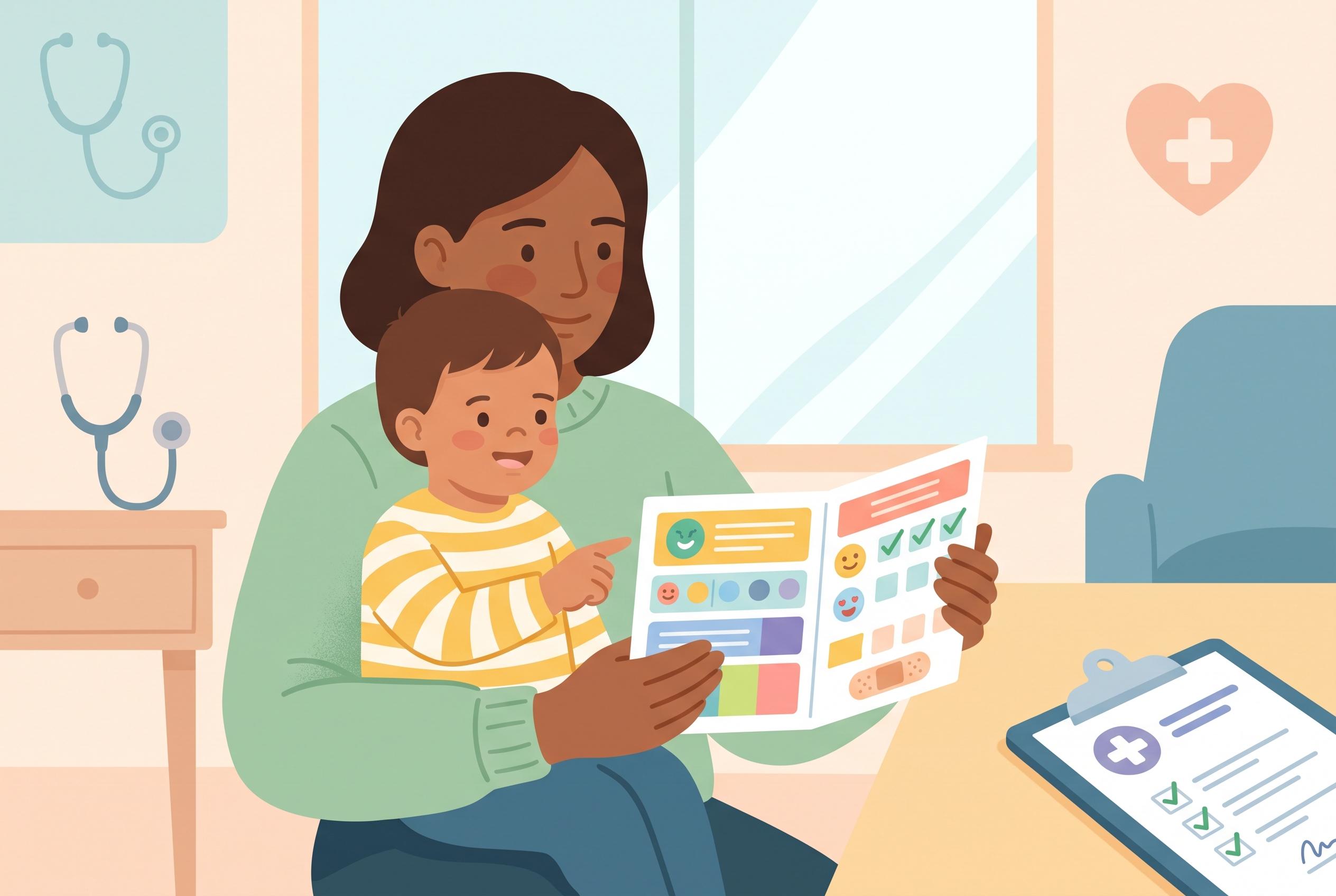

The United States faces a record-high surge in measles cases, driven by falling vaccination rates and rising legislative exemptions, threatening herd immunity just as schools reopen. Health officials warn that this resurgence endangers vulnerable populations and underlines the importance of timely immunisation.
As the new school year gathers pace across the United States, measles is surging to its highest level in 35 years, turning what should be a routine back-to-school season into a reminder of how fragile herd protection can be when vaccination slips. The CDC has now logged 2,371 confirmed cases across 43 states and Washington, D.C., overtaking last year’s total and leaving most infections among people who were unvaccinated or whose status was unknown. Health officials say the pattern is especially worrying because measles spreads easily in classrooms, corridors and other indoor spaces where children spend long stretches together.
Utah and South Carolina are carrying a large share of the burden, and both states allow exemptions from school vaccination rules. In Utah, overall immunisation coverage among students is 85.5%, well below the level needed to keep measles in check, while some districts have far higher exemption rates than the state average. South Carolina has seen the country’s largest outbreak in decades, with hundreds of cases concentrated in areas where exemption rates are particularly high and where families are now weighing whether to vaccinate before schools fully reopen.
For parents, the human reality is often more immediate than the statistics. In Utah, paediatrician Ellie Brownstein has described a growing anxiety among families, including parents of babies too young to receive the measles jab who are trying to avoid crowded places altogether. That caution reflects a broader truth: when vaccination rates fall, the risk does not stop with the unvaccinated child. It also reaches infants, children with medical vulnerabilities and households trying to keep up with ordinary life while an airborne virus circulates.
Experts say the timing matters. Measles needs a community vaccination rate of about 95% to prevent sustained spread, yet kindergarten coverage has fallen nationally from 95.2% in the 2019-20 school year to 92.5% in 2024-25, according to CDC data cited by The 74. That erosion has unfolded alongside rising vaccine hesitancy and legislative efforts in several states to weaken school immunisation requirements. In South Carolina, advocates say they have spent much of the year fighting proposals that would have broadened exemptions or gone further in limiting vaccine mandates.
The policy backdrop has only added to the uncertainty. According to reporting in The Wall Street Journal, advisers around the White House have urged Health Secretary Robert F. Kennedy Jr. to soften his anti-vaccine rhetoric, even as he continues to shape federal vaccine policy. For parents, though, the practical message from doctors is much simpler: check children’s records, keep school vaccines up to date where they are due, and be especially alert if there is an infant, pregnant person or immunocompromised family member at home. In a year when measles is moving faster than many families expected, record-keeping and timely immunisation have become part of back-to-school preparation.
Disclaimer: This content is for informational purposes only and is not intended to be a substitute for professional medical judgment, advice, diagnosis, or treatment.