

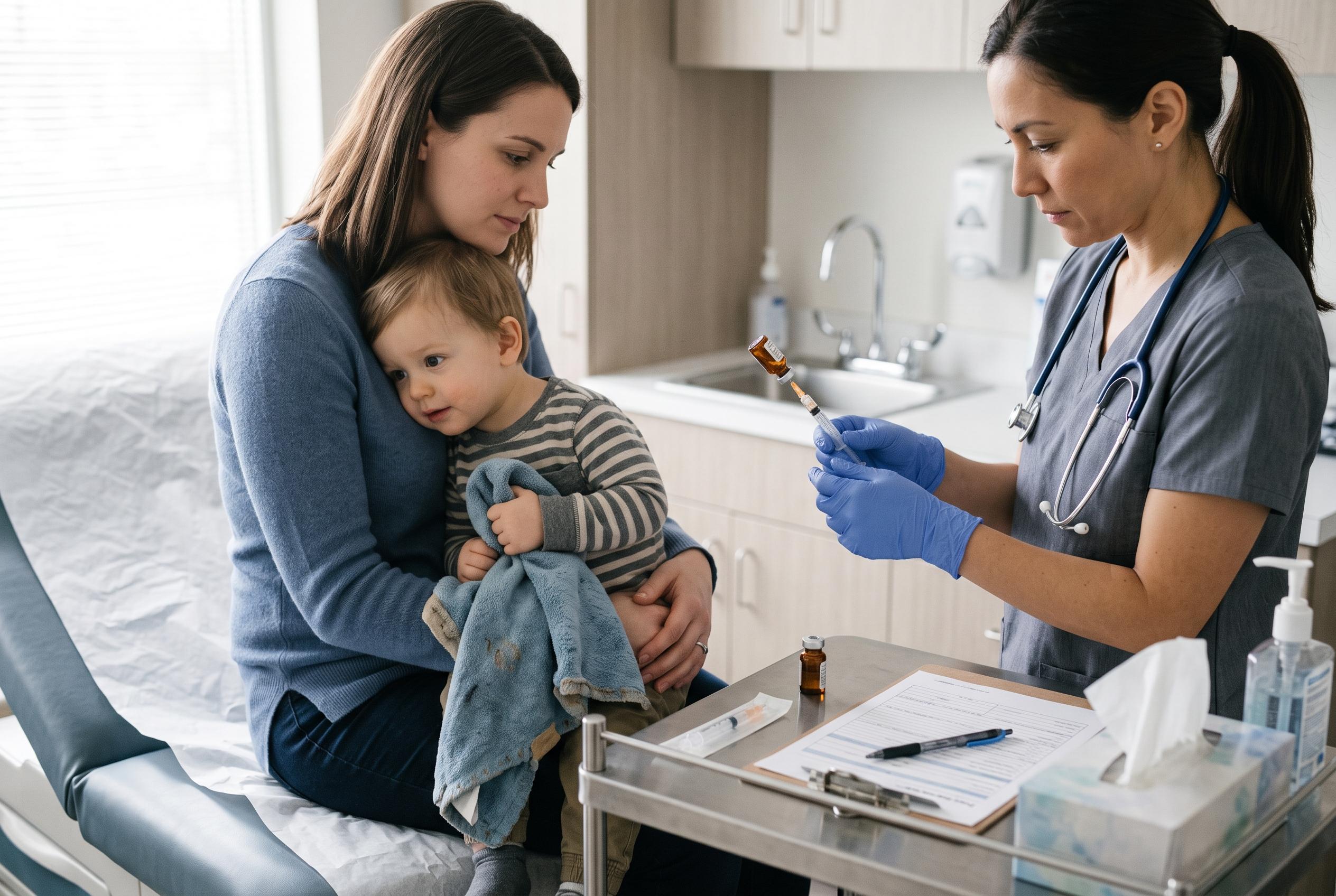

A surge in measles cases across the US and around the world reveals fragile immunisation systems, with experts warning that missed vaccine doses and gaps in coverage could trigger larger outbreaks if not addressed urgently.
Measles is surging again in the United States and elsewhere, exposing the fragility of routine immunisation systems and the cost of missed vaccine doses. According to the US Centres for Disease Control and Prevention, the country had recorded 3,887 confirmed cases by October 1, 2026, the highest annual toll in more than three decades. Pennsylvania alone has been hit hard, with more than 1,000 cases and five deaths, while New York has declared a statewide disaster emergency after outbreaks spread through under-immunised rural communities.
The scale of the problem is not confined to the US. The World Health Organisation says measles remains a global warning sign for immunisation gaps, with about 11 million cases worldwide in 2024, nearly 800,000 more than in 2019. The agency and UNICEF say 95% two-dose coverage is needed to stop sustained transmission, yet only 84% of children received a first dose and 76% received a second. That shortfall leaves room for outbreaks in places where unvaccinated children are clustered, even if national averages appear strong.
Bangladesh offers a stark example of how quickly measles can overwhelm health systems when protection is incomplete. The World Health Organisation reported that between March 15 and April 14, 2026, the country recorded 19,161 suspected cases, 2,897 laboratory-confirmed cases and 166 deaths, with most patients under five. In response, the agency launched a targeted measles-rubella vaccination campaign on April 5 and has stepped up surveillance to improve detection and reporting.
Experts say the disease’s spread is unsurprising because measles is one of the most contagious human infections. The CDC says a single infected person can pass it on to as many as 18 susceptible people. That makes vaccine gaps, not just outright refusal, a central driver of outbreaks. Public-health officials have warned that disruptions to health services during the pandemic, access barriers and vaccine hesitancy have all widened the pool of vulnerable children.
India has made progress, but not enough to ignore the warning. The latest National Family Health Survey data show second-dose measles coverage rising from 58.6% to 71.8%, while full immunisation among children aged 12 to 23 months reached 87.1%. Even so, that remains below the level needed to prevent local outbreaks. Paediatricians in India say the risks are concentrated among poorer, marginalised and hard-to-reach communities, where missed children can cluster and allow the virus to spread. Public-health specialists say the next priority is to find zero-dose children, close the second-dose gap and strengthen surveillance before small outbreaks become larger ones.
Disclaimer: This content is for informational purposes only and is not intended to be a substitute for professional medical judgment, advice, diagnosis, or treatment.



