

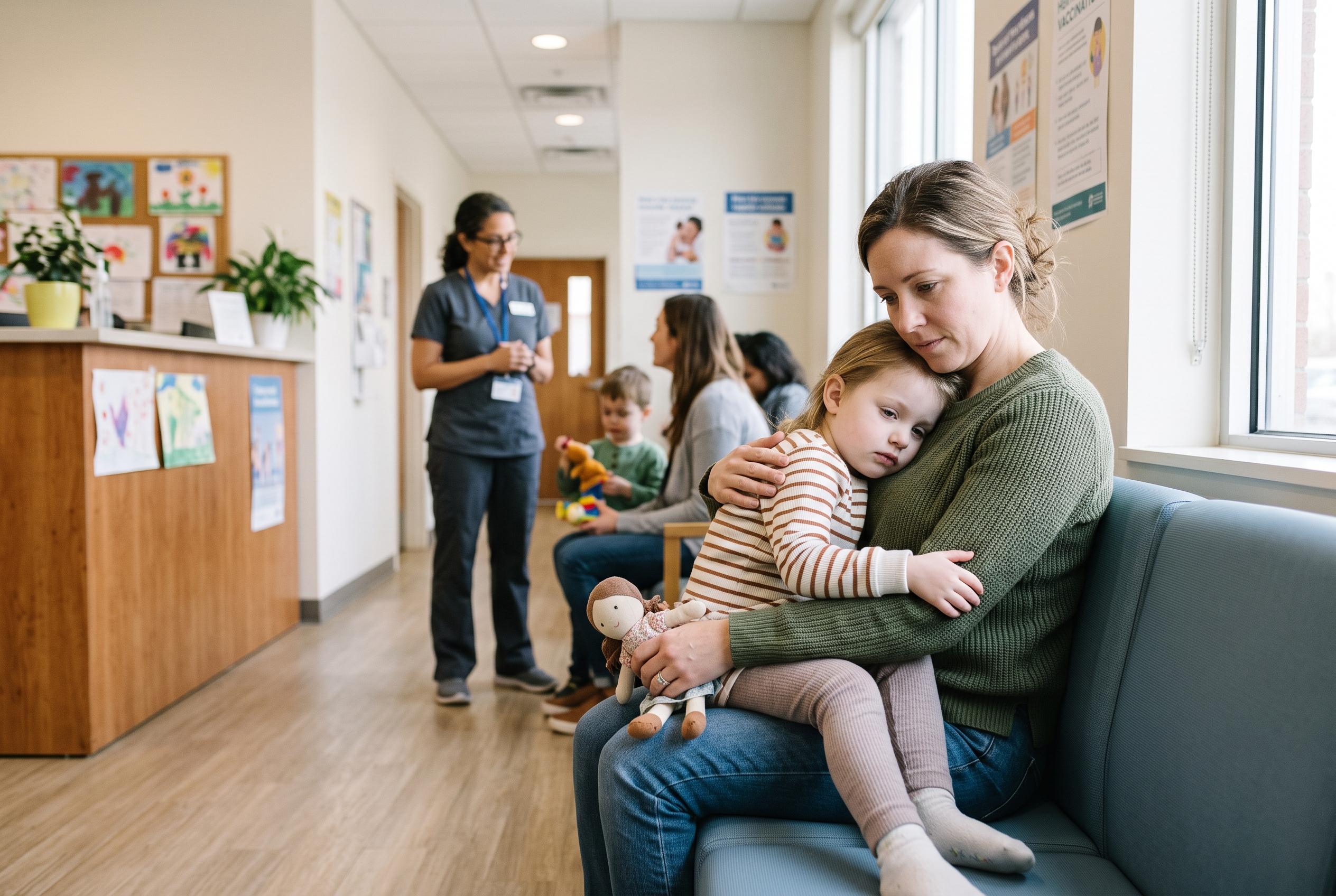

Cases are climbing in Turkey and the United States as experts warn that declining vaccination rates are reviving a preventable disease capable of causing severe and delayed neurological damage.
Measles is again spreading at worrying levels, with health specialists warning that a disease once pushed close to elimination is regaining ground as vaccine refusal rises. In Turkey, Dr Nurullah Dikmen of Medicana International Samsun Hospital said the number of cases has climbed into the thousands by autumn 2026, while in the United States the Centres for Disease Control and Prevention reported 2,231 confirmed cases across 42 jurisdictions in July, the highest level in decades and overwhelmingly concentrated among people who were unvaccinated or whose vaccination status was unknown. The American Academy of Pediatrics has described the surge as an avoidable crisis, arguing that the toll is being felt in real families and classrooms.
Dikmen said measles should not be dismissed as a routine childhood rash. He warned that the virus spreads with exceptional ease, including through brief contact in the same room, and can leave lasting damage in some patients. Health guidance from the American Academy of Pediatrics notes that measles commonly starts with fever, cough, a runny nose and red eyes before the rash appears, and that complications can include pneumonia, brain inflammation and death. The academy says roughly 30 per cent of cases lead to complications, especially among young children and adults.
The gravest concern, according to Dikmen, is subacute sclerosing panencephalitis, or SSPE, a rare but devastating late complication linked to measles infection. He said the condition can leave the brain unable to function normally and can cause developmental regression in children. Medical reporting from Pennsylvania in October 2026 also highlighted SSPE and another delayed neurological complication, acute disseminated encephalomyelitis, noting that such problems can appear weeks or even years after recovery. That risk, experts say, is one reason vaccination remains central to prevention.
Dikmen tied the rise in cases to growing vaccine hesitancy, saying that earlier immunisation campaigns had once brought measles close to being wiped out. He urged parents to make sure children receive the recommended two doses, one at around one year old and another before school age. The AAP has likewise advised families to stay up to date on immunisations during outbreaks, especially as U.S. cases have continued to rise since early 2025 and have already surpassed the total recorded in all of 2025.
Disclaimer: This content is for informational purposes only and is not intended to be a substitute for professional medical judgment, advice, diagnosis, or treatment.



