
A severe measles outbreak in Pennsylvania has shifted conversations within Amish communities, with traditional midwives advocating for wider vaccine access amid rising infections and deaths, challenging current legal barriers.
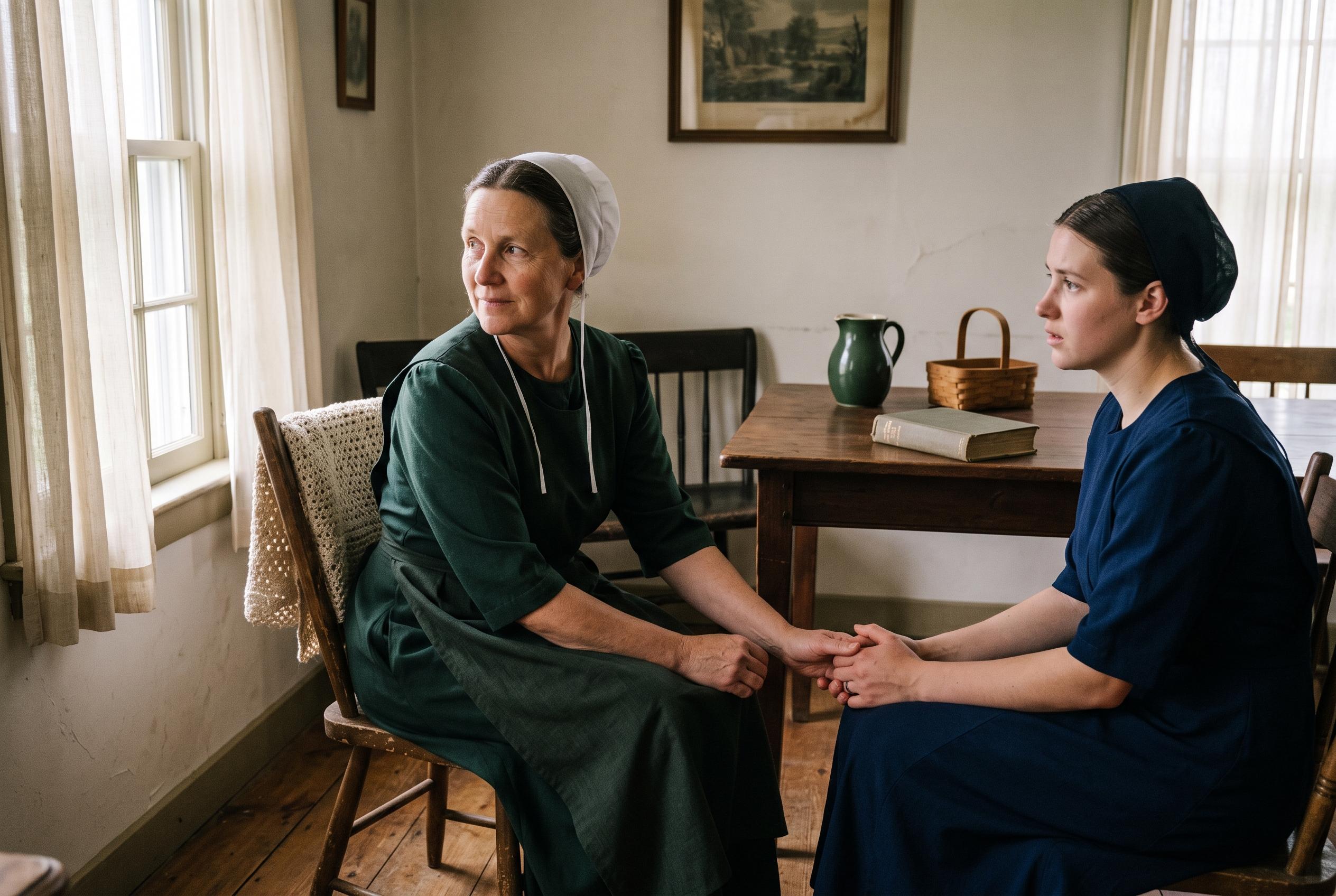
Roberta Devers has spent nearly four decades moving between prenatal visits in Lancaster County, but the questions she is hearing now are different. Amish families who once focused on birth plans are increasingly asking about measles, exposure and vaccination as Pennsylvania battles its most serious outbreak in decades. Devers, a traditional midwife who serves many plain communities, says the crisis has changed the conversation in her car and in clients’ homes, where fear now sits alongside long-standing scepticism about medicine. According to reporting by The Philadelphia Inquirer, she now believes the measles-mumps-rubella vaccine should be more widely available to the families she serves.
The outbreak has become the deadliest measles episode in the United States in more than 30 years. Pennsylvania health officials have linked four deaths to measles-related illness, including two Amish infants and two adults, and the state has reported 731 cases across 38 counties. Lancaster County has recorded the highest number of known infections, and public health officials say the disease has spread well beyond Amish circles into other unvaccinated communities. The Pennsylvania Department of Health says two doses of the MMR vaccine are 97% effective against measles, while the CDC says nine in 10 unvaccinated people exposed to the virus will become infected.
Devers’ call for broader access to vaccination runs into state law and the limits of her profession. Traditional, or lay, midwives are not certified healthcare providers, and Pennsylvania officials say they cannot authorise them to administer vaccines. The state also does not permit them to practise medicine, even though they are often the main birth attendants for Amish families choosing home births. Devers is part of a group of midwives seeking formal recognition in court, but that effort would not, by itself, give them the power to give shots.
The outbreak has also exposed longstanding complexities in Amish attitudes towards medicine. Steven Nolt, an Amish scholar at Elizabethtown College, told The Philadelphia Inquirer that Amish communities do not reject vaccines for religious reasons; rather, low uptake often reflects distance from modern healthcare and rural access barriers. He said past outbreaks, including rubella in 1991 and polio in the 1970s, prompted many Amish families to accept immunisation. A 2022 survey in Lancaster County found that 30% of Amish families had vaccinated their children and believed vaccines were safe and effective, suggesting views are varied and can shift when disease becomes immediate.
For Devers, that shift is now overdue. She says she is seeing pregnant women with rashes and fever, and families watching measles move from one household member to the next. Public health experts warn that the disease can be especially dangerous in pregnancy and infancy, with the CDC citing risks that include miscarriage, premature delivery and low birth weight. Devers wants state or federal officials to let traditional midwives administer the MMR vaccine, arguing that trusted caregivers may be the best path into hesitant communities. Pennsylvania says any such change would require a law change, while the health department continues to work with local providers and community groups as the outbreak spreads.
Disclaimer: This content is for informational purposes only and is not intended to be a substitute for professional medical judgment, advice, diagnosis, or treatment.