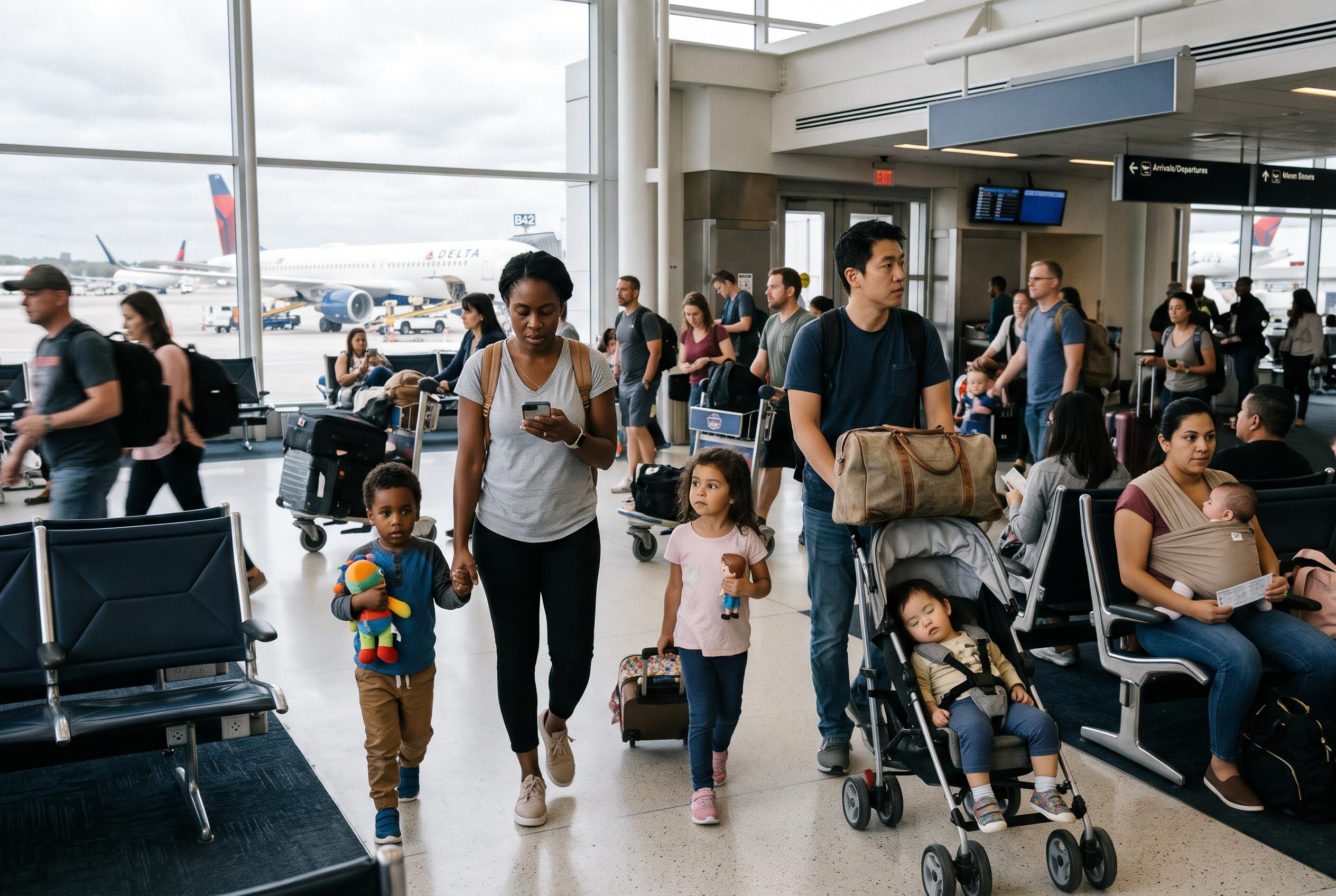

Genomic analysis of a Washington case found five separate measles introductions from South Carolina in just two weeks, highlighting the growing threat posed by domestic travel.
Measles, once considered largely a travel-related threat in the United States, is increasingly being carried across state lines as domestic outbreaks expand, according to research highlighted by Ars Technica and a new study in NEJM Evidence. The shift reflects a broader deterioration in vaccination coverage and a rise in large outbreaks, turning travel within the country into a more significant route of spread than it was when the virus was mainly imported from overseas. The Centres for Disease Control and Prevention says measles was declared eliminated in the US in 2000, but the virus continues to circulate in many parts of the world and can still be brought in by unvaccinated travellers.
The Washington state analysis focused on a major outbreak in South Carolina that began on 2 October 2025 and was declared over on 26 April 2026. South Carolina officials said the outbreak totalled 997 confirmed cases, making it the largest measles outbreak recorded in the US since elimination was declared. In Washington, health officials traced what first appeared to be a single chain of spread to five separate introductions over a two-week period in January, showing how easily measles can travel through ordinary movement between states.
The first Washington case in the study involved a resident who developed the characteristic rash on 12 January after returning from South Carolina, where they had been exposed to someone with measles. Genome sequencing linked that case to viruses circulating in South Carolina, and one close contact in Washington also became ill and was isolated. Researchers say the genetic evidence was crucial because it showed the outbreak in Washington was not the result of one local transmission chain, but of multiple distinct importations.
Public health experts say the findings underline a growing challenge for state health departments as they track both international and domestic spread at the same time. The authors of the study concluded that timely whole-genome sequencing can help officials distinguish between separate introductions and local transmission, allowing a quicker and more precise response. That warning comes against a backdrop of worsening measles activity nationally: Axios reported in 2019 that the US had already reached 695 cases across 22 states, and later coverage in late 2025 described a resurgence that had pushed case counts far beyond earlier post-elimination peaks.
Disclaimer: This content is for informational purposes only and is not intended to be a substitute for professional medical judgment, advice, diagnosis, or treatment.