

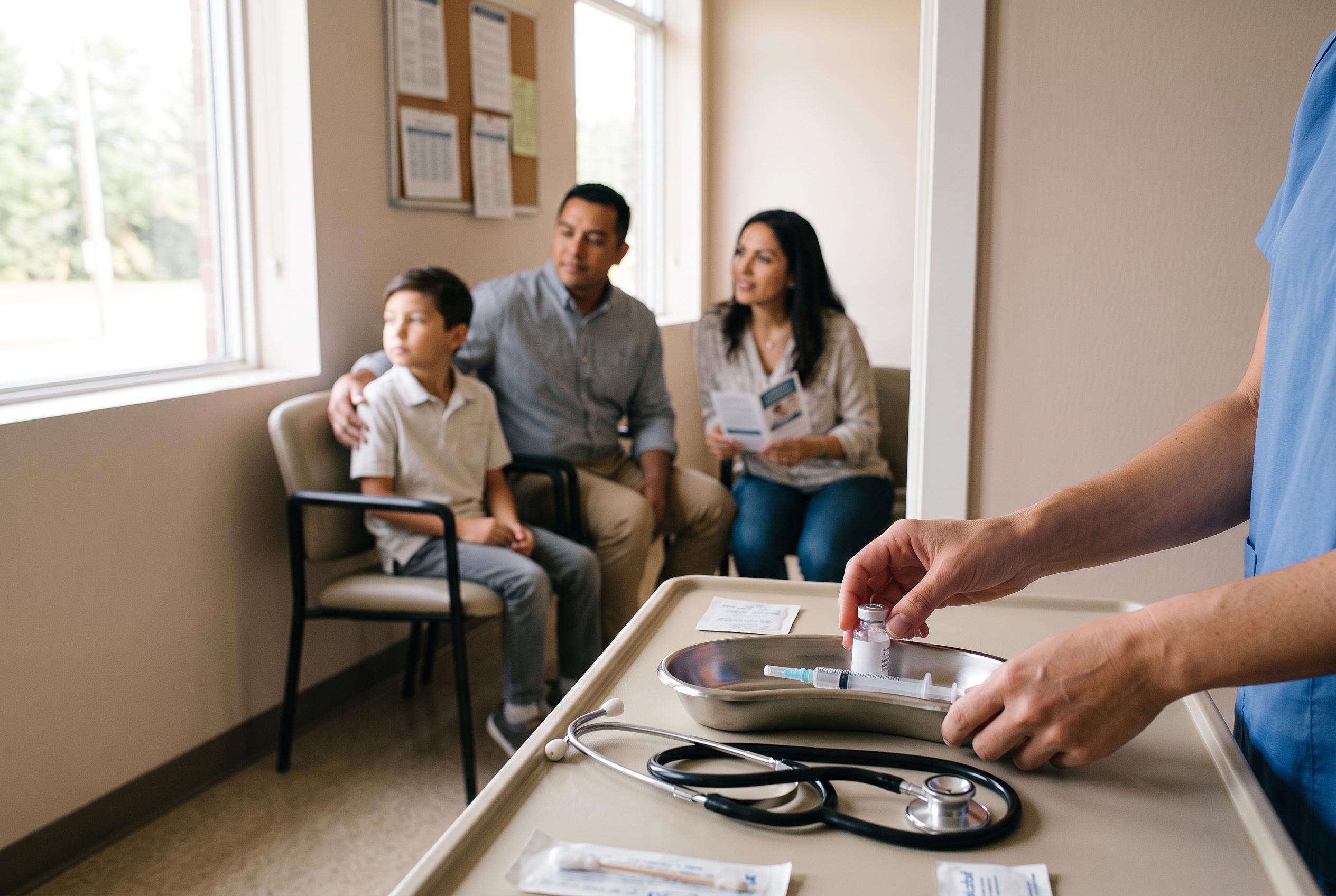

The United States reports a sharp increase in measles cases, with nearly 4,000 infections this year, driven by outbreaks in communities with low vaccination coverage, raising concerns for public health and vaccination efforts.
The number of measles cases in the United States has climbed to 3,887 this year, according to the latest data from the Centres for Disease Control and Prevention, putting 2026 on course to become the worst year for the disease in decades. The tally is already far above last year’s total, and infections have now been reported across 47 states and jurisdictions, as well as Washington, D.C. The CDC also records 18 additional cases in international visitors.
Public health officials say the surge is being driven largely by clusters rather than isolated infections. CDC data show that 95% of confirmed cases this year are linked to outbreaks, defined as groups of at least three cases in a community. That pattern suggests the virus is continuing to spread where vaccination levels are too low to stop transmission. The agency says 3,123 cases are outbreak-related, with some tied to outbreaks that began last year and continued into 2026.
Children and teenagers remain heavily affected, but adults also make up a substantial share of infections. The CDC says people aged 5 to 19 account for the largest proportion of cases this year, followed closely by adults aged 20 and older, while children aged 5 and under represent a smaller but still significant share. The age profile is similar to 2025, underlining how measles can move quickly through communities when immunity is incomplete.
The CDC says most patients this year were not vaccinated. Even so, hospitalisation rates have eased compared with last year: 352 patients, or 9% of cases, were admitted to hospital in 2026, down from 11% in 2025. The decline has been most pronounced among children under 5. The agency has also logged two possible measles-related deaths in Pennsylvania, and it continues to urge anyone who may have been exposed to seek medical advice promptly.
Measles can begin with high fever, cough, runny nose and watery eyes before the rash appears several days later. The CDC warns that the infection can lead to pneumonia and encephalitis, a swelling of the brain, and that babies and young children are especially vulnerable. There is no specific cure, so prevention through vaccination remains the main defence; health officials recommend two doses of the MMR vaccine for strong protection.
Disclaimer: This content is for informational purposes only and is not intended to be a substitute for professional medical judgment, advice, diagnosis, or treatment.



