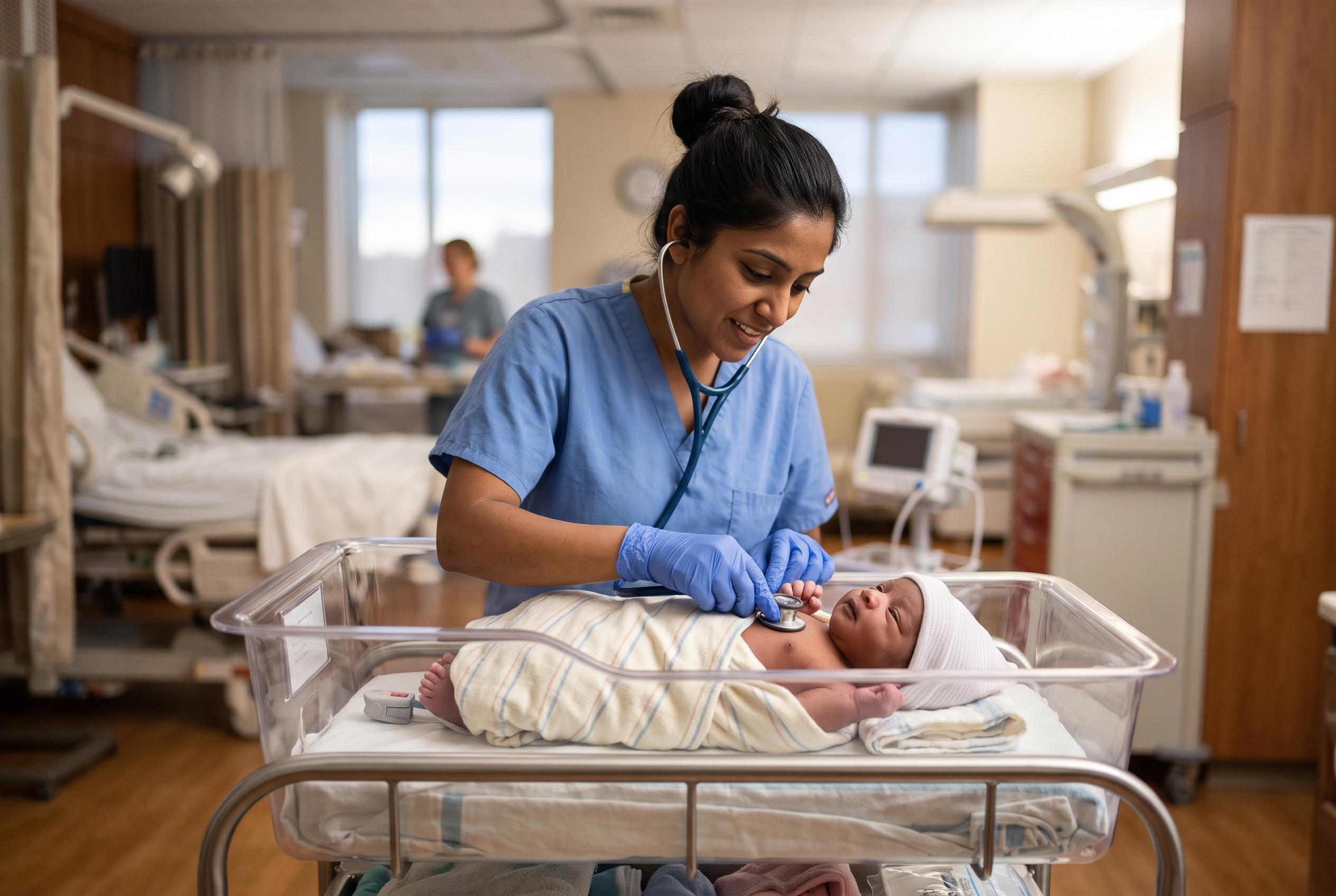

A modelling study warns that replacing universal birth-dose vaccination with delayed or optional immunisation could leave millions more young people susceptible to hepatitis B.
A proposed shift in hepatitis B vaccination guidance could leave far more young people vulnerable to chronic infection, according to a modelling study published in the Annals of Internal Medicine. The analysis comes as federal advice in the United States has moved away from the long-standing recommendation that all newborns receive a hepatitis B vaccine dose within hours of birth. In December 2025, the Advisory Committee on Immunization Practices advised ending the universal birth dose for babies whose mothers test negative for the virus, while keeping the shot for infants born to mothers who are infected or whose status is unknown. The CDC later accepted that advice, although legal action has delayed implementation.
The new federal guidance would replace automatic newborn vaccination with what the CDC calls shared clinical decision-making for babies born to mothers who test negative. Under that approach, parents and clinicians would decide whether a child should start the hepatitis B series at all, with vaccination deferred until at least two months of age for infants who do not receive the birth dose. The CDC says the revised approach reflects the reliability of prenatal screening, while still preserving the immediate dose for babies at highest risk. The agency continues to recommend hepatitis B vaccination for all infants, children and adolescents, and notes that the vaccine is safe and effective.
Researchers behind the new model say the change could have serious consequences even if many families eventually catch up on missed doses. Because hepatitis B is highly transmissible and infections acquired in infancy or early childhood are much more likely to become chronic, the study found that postponing vaccination to two months of age could raise chronic infections among children born in 2026 by 19% by age 20, compared with universal birth-dose vaccination. When the team modelled a looser version of the recommendation, in which families and doctors decide whether a child starts the series at all, chronic infections rose by 83% by age 20. The authors also estimated that roughly 1.8 million people in that age group would remain susceptible under the looser strategy, versus fewer than 250,000 with universal newborn vaccination.
The study’s authors said their findings were consistent across repeated simulations, even when assumptions about screening, vaccine uptake and exposure risk were varied widely. Norah Terrault, a transplant hepatologist at the University of Southern California who was not involved in the research, told Live Science that the modelling appears to offer an accurate forecast of the policy’s likely effect. Amir Mohareb, one of the study’s authors and a physician-investigator at Massachusetts General Hospital and Harvard Medical School, said the research was not a critique of shared decision-making in medicine, but rather a warning about what happens when a public health default is weakened. Other experts said the drop in universal newborn vaccination would amount to a missed chance to prevent infection, with the long-term risk of cirrhosis and liver cancer expected to rise if more children are exposed early in life.
Disclaimer: This content is for informational purposes only and is not intended to be a substitute for professional medical judgment, advice, diagnosis, or treatment.