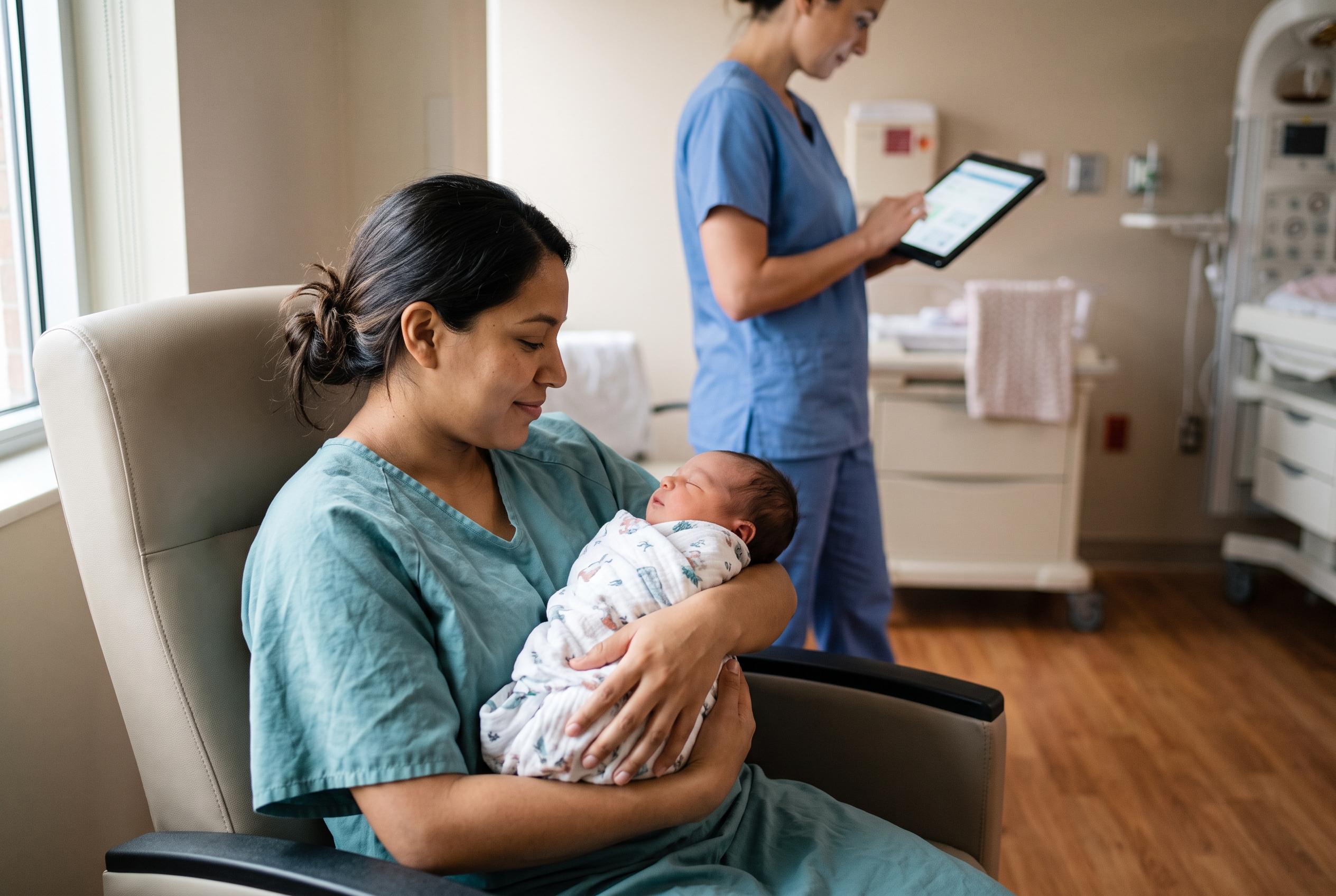

A comprehensive analysis of over 42,000 health records confirms that maternal Tdap vaccination during pregnancy does not impact infant growth or increase early emergency care, bolstering public health confidence.
A new analysis of 42,758 electronic health records has found no sign that maternal Tdap vaccination affects infant growth, adding reassurance for parents deciding whether to receive the tetanus, diphtheria and pertussis jab during pregnancy or while breastfeeding. The study, published in Vaccine, also found no difference in emergency department visits in the first six months of life between babies whose mothers were vaccinated and those whose mothers were not.
Researchers said the findings are consistent with earlier evidence showing no increase in infant morbidity after maternal Tdap immunisation. Previous studies, including work from Vaccine Safety Datalink sites and a randomised clinical trial, likewise found no meaningful safety concerns for mothers or infants, and no adverse effect on growth or development. At the same time, other cohort studies have shown that maternal Tdap vaccination helps protect young infants from pertussis-related hospital visits and emergency treatment.
The latest analysis is observational rather than experimental, so it cannot prove cause and effect. Even so, its large size makes it a useful real-world check on a question that matters to parents at every well-child visit: whether the vaccine could change how a baby grows. It did not. The only difference the researchers identified was a modest rise in outpatient visits among infants of vaccinated mothers, which they said may reflect family health-seeking behaviour rather than any underlying problem in the child.
That reassurance matters because pertussis remains a serious threat to newborns, especially before they are old enough to begin their own vaccination schedule. Public health guidance continues to recommend Tdap during pregnancy to pass antibodies to the baby, and CDC-backed estimates suggest the jab lowers the risk of whooping cough in very young infants and reduces severe illness that leads to hospital care. The new study does not change that advice; it adds another layer of evidence that maternal vaccination is not linked to poorer infant growth or more emergency care in early life.
Disclaimer: This content is for informational purposes only and is not intended to be a substitute for professional medical judgment, advice, diagnosis, or treatment.