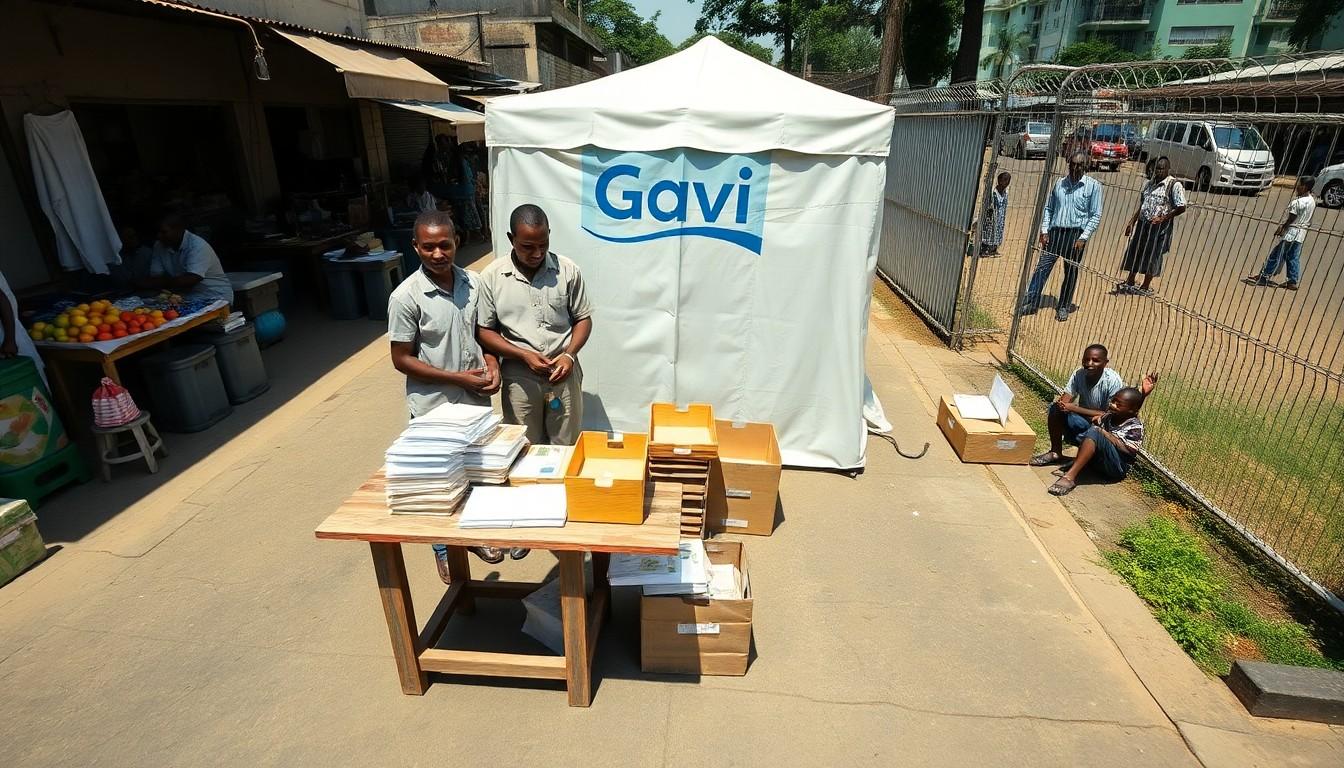

Massive vaccine wastage in Kenya’s immunisation programme exposes planning flaws and risks undermining health security as Gavi funding phases out, prompting urgent scrutiny from authorities.
Kenya’s vaccination programme, long presented as one of the most basic public health safeguards for children, is facing a troubling contradiction: while public facilities are meant to offer routine jabs free of charge, millions of doses are being thrown away before they reach an infant. The issue is not a shortage of ambition or funding, but a failure of planning and delivery that is now drawing scrutiny from the Auditor-General.
According to Nancy Gathungu’s audit findings, more than 6.4 million doses of BCG, the newborn vaccine that helps protect against tuberculosis, were wasted in the financial year ending June last year. The wastage rate was reported at 75 per cent, far above the level generally tolerated under support arrangements with Gavi, the Vaccine Alliance, while measles-rubella wastage stood at 57 per cent and yellow fever at 51 per cent. In practical terms, that means vaccines were issued to health facilities but never administered to the children they were meant to protect.
The health consequences are severe. WHO has warned that measles remains one of the world’s deadliest vaccine-preventable diseases for young children, and Gavi continues to support measles and measles-rubella campaigns because immunity gaps can quickly fuel outbreaks. Yellow fever vaccination is also backed through preventive campaigns and emergency stockpiles in Africa, underscoring why wastage at this scale is more than an accounting problem; it weakens disease control at the point where prevention matters most.
The timing is particularly awkward for Kenya. A report in The Standard has warned that the country could face vaccine shortages as Gavi funding phases out, making it even more important for the government to honour co-financing commitments and keep supply chains efficient. WHO and partners have also been trying to recover lost immunisation progress after the pandemic through the global “Big Catch-up” effort, aimed at children who missed routine doses. Against that backdrop, Kenya’s waste of life-saving vaccines looks less like an isolated administrative lapse and more like a threat to the credibility of the entire immunisation system.
Disclaimer: This content is for informational purposes only and is not intended to be a substitute for professional medical judgment, advice, diagnosis, or treatment.