

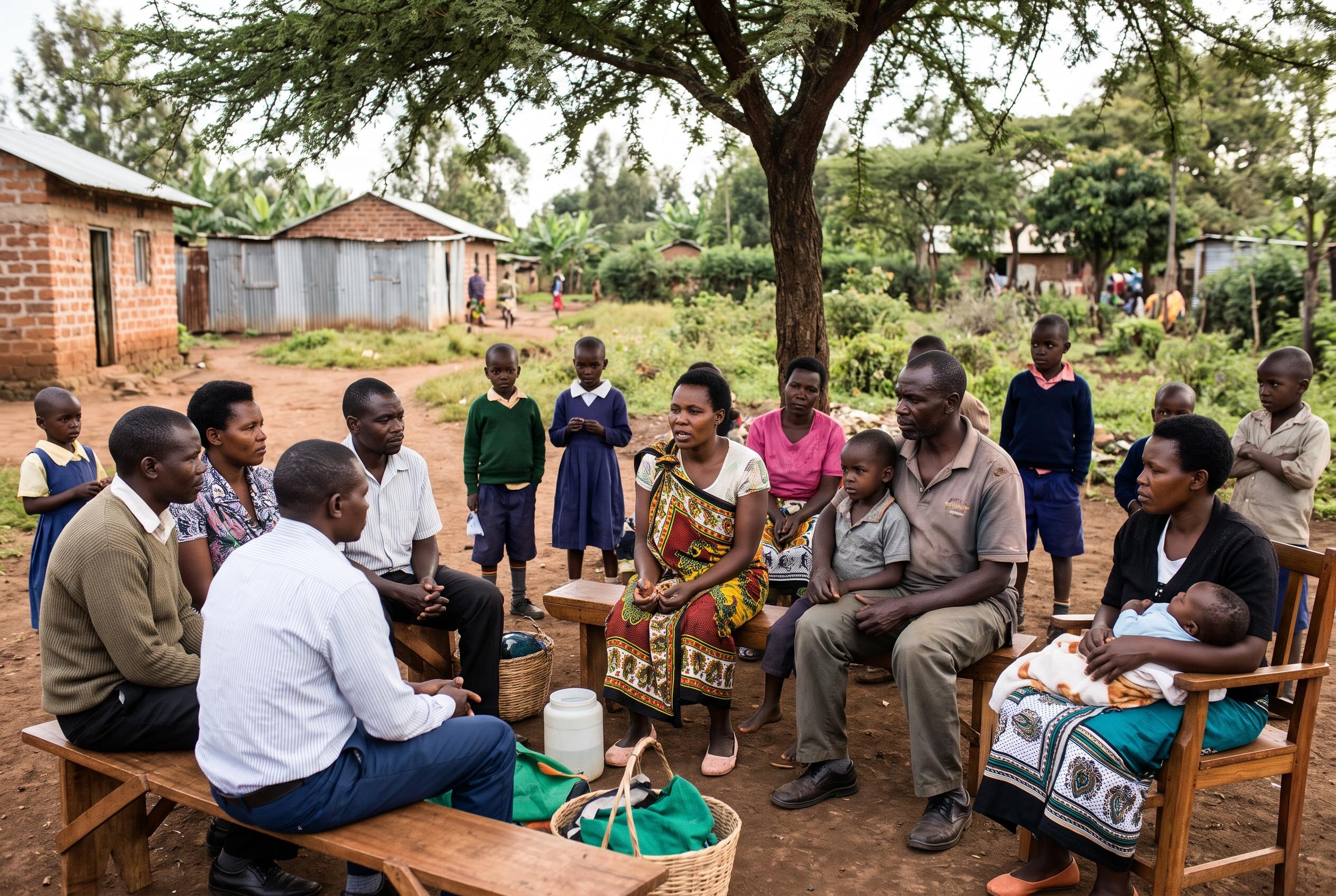

A two-year study found that Kenyan parents’ views on the vaccine’s value remained broadly stable, while perceptions of side effects and risk changed markedly, especially among less educated and unemployed respondents.
A two-year survey of Kenyan parents and caregivers suggests that attitudes towards the human papillomavirus vaccine can shift sharply over time, with concerns about safety proving much less stable than views on the jab’s value or effectiveness. The study, published in PLOS Global Public Health, followed parents of girls old enough to receive the vaccine and found that beliefs about whether HPV vaccination matters and works were broadly steady, even as opinions about possible side effects moved in both directions. According to the researchers, that kind of within-person change is rarely captured in vaccine research.
The longitudinal design gave the team a clearer picture of how individual views evolved between 2022 and 2024. In the first survey, 1,405 Kenyan parents and caregivers were interviewed by phone, and 1,093 of them were reached again two years later. Using the same questions on both occasions, adapted from the Vaccine Hesitancy Scale for HPV, the researchers found that only about a quarter of respondents changed their views on the vaccine’s importance and effectiveness. Safety perceptions were far more volatile: roughly two-thirds of participants shifted in how they judged the vaccine’s side effects and risk, with about a quarter becoming more negative and 18.9% moving in a more favourable direction.
The analysis also pointed to a social divide in how attitudes changed. Respondents with less education and those without work were more likely to report shifts in opinion, suggesting that socioeconomic position shaped how people processed information about the vaccine over time. Among those with lower socioeconomic status, views on whether to follow a clinician’s recommendation and on the vaccine’s riskiness worsened significantly over the study period. The authors said those findings point to the need for more focused outreach aimed at families who may have less access to reliable health information.
The study fits into a wider body of Kenyan research showing that HPV vaccine uptake is influenced by knowledge gaps, hesitancy, social norms, trust in institutions and access to services. A separate national phone survey, published in a medical journal, found that about one-fifth of caregivers faced, or expected to face, difficulties getting the vaccine. Other research in Kenya has highlighted the role of healthcare workers’ advice, the acceptability of a single-dose schedule and the persistence of misconceptions and cultural barriers. Taken together, those studies suggest that improving uptake will require not only information campaigns, but also practical support, trusted clinical guidance and messages tailored to the concerns of specific communities.
Disclaimer: This content is for informational purposes only and is not intended to be a substitute for professional medical judgment, advice, diagnosis, or treatment.



