
Robert F. Kennedy Jr.’s recent endorsement of measles vaccines marks a notable turnaround amid a surge in US cases, highlighting the critical importance of immunisation in combatting the recent outbreak and restoring public confidence.
Robert F. Kennedy Jr.’s latest remarks on measles mark an unusual turn for a politician long associated with vaccine scepticism. In an interview with CNN, the US health secretary said parents should have their children immunised against measles, describing the vaccine as effective and endorsing the combined measles, mumps and rubella jab as well. For families who have followed the long, often confusing argument around childhood immunisation, the shift is striking not because it settles every debate, but because it puts a simple public-health message back into the foreground: measles is dangerous, and vaccination remains the surest protection.
That message matters because the United States is now dealing with a serious resurgence. The Centres for Disease Control and Prevention reported 2,318 measles cases by late July, the highest level in more than 30 years, according to Axios. Most cases have been in unvaccinated people under 20, and outbreaks have been concentrated in several states, including Texas, Utah, South Carolina, Virginia, Florida, Pennsylvania and Arizona. In Michigan, health officials have also tracked outbreaks in Washtenaw and Ottawa counties, a reminder that measles can travel quickly once immunity gaps open up.
For parents, the practical meaning is plain: measles is not a nostalgic childhood illness but one of the most contagious infections known, with no specific cure and the potential for severe complications. The CDC says the majority of recent US cases have involved unvaccinated people, underlining how quickly family routines can be disrupted when one household decision affects wider community protection. In everyday terms, this is what herd immunity is meant to do: protect babies too young for vaccination, children with medical exemptions and others who cannot rely on their own immune systems.
Kennedy’s reversal is all the more notable because it sits awkwardly beside his earlier record. FactCheck.org has documented years of mixed messaging, while PolitiFact reported in March 2025 that he had suggested measles infection might carry some benefit, a claim experts have rejected. Health experts say measles can suppress the immune system for years, making children more vulnerable to other infections rather than stronger. That is why public-health advisers continue to stress that vaccine hesitancy is not a private thought experiment; it has consequences for nurseries, schools and family life.
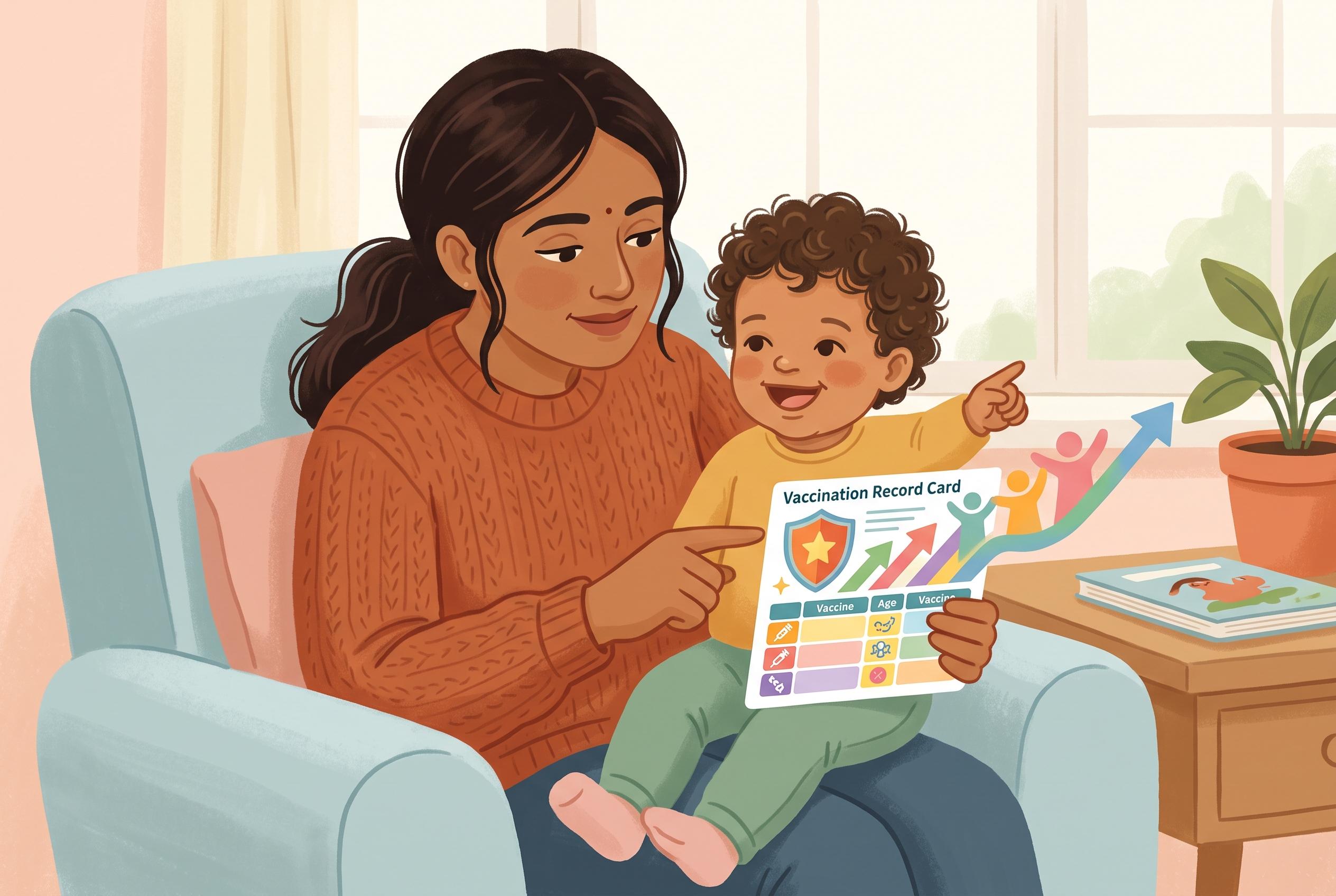
The wider lesson for parents is less about Kennedy himself than about what happens when abstract argument meets a real outbreak. Once children are actually falling ill, the theory tends to lose ground to the sight of fever, rash and frightened households. The current surge has already shown how fast confidence can be restored when the threat feels immediate again. For families weighing catch-up vaccinations or checking records before term starts, the direction of travel is clearer than the politics: keep immunisation up to date, ask for reliable advice and do not wait for an outbreak to make the decision for you.
Disclaimer: This content is for informational purposes only and is not intended to be a substitute for professional medical judgment, advice, diagnosis, or treatment.