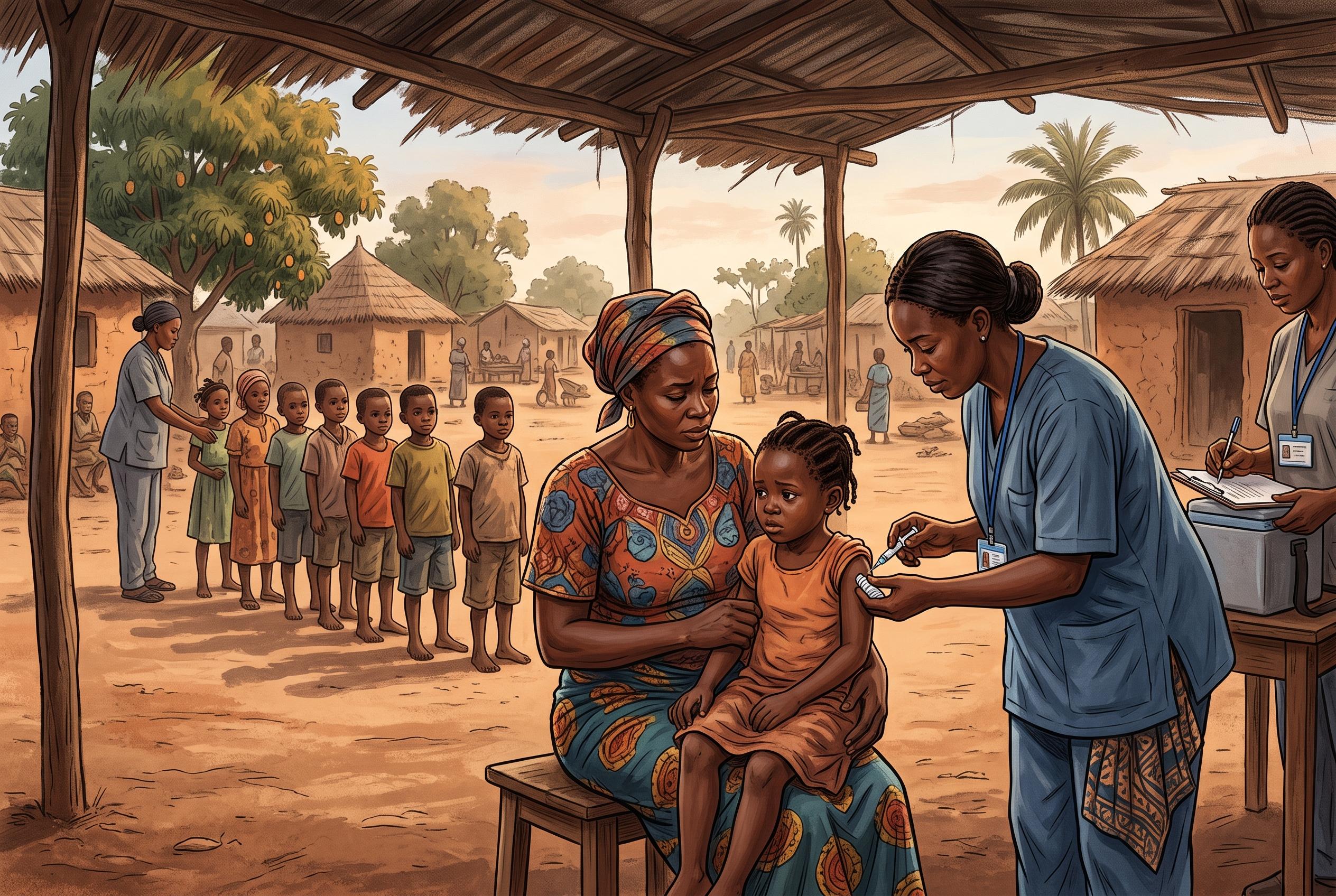

Kano State reports 32,000 confirmed diphtheria cases and more than 1,800 deaths since December 2022, exposing critical vaccination gaps as authorities ramp up response efforts across the region.
Kano State has recorded 32,000 confirmed diphtheria cases since the outbreak began in December 2022, with more than 1,800 deaths, according to the Kano State Centre for Disease Control. The agency said it had investigated about 39,000 suspected infections in that period, with children making up the bulk of those affected.
Professor Muhammad Abbas, the centre’s director-general, said at a media briefing in Kano that more than 25,000 of the confirmed cases were children. He said 16,000 of them had never received a dose of diphtheria vaccine, while about 9,000 had been fully vaccinated. Local reports said the outbreak has spread across more than 27 local government areas, though state officials now describe the situation as largely under control.
Abbas said the scale of the outbreak exposed a deep immunisation gap and showed how quickly the disease can move through communities where children remain unprotected. He also said many families arrive at health facilities too late, after first seeking help from traditional barbers or healers, a pattern health workers believe has worsened outcomes in some cases. The Nigeria Centre for Disease Control and the World Health Organisation have both previously linked Nigeria’s outbreak response to improved surveillance, wider access to treatment and the use of diphtheria antitoxin.
To improve access to care, the Kano government has decentralised treatment services beyond the state capital, with centres in places including Rano, Bichi, Wudil and Tudun Wada. Reports also say the state has expanded reactive vaccination campaigns in communities and schools. Health officials are urging parents to seek medical help immediately if children develop symptoms consistent with diphtheria, a bacterial infection that can become life-threatening if not treated quickly.
Disclaimer: This content is for informational purposes only and is not intended to be a substitute for professional medical judgment, advice, diagnosis, or treatment.