
Hyderabad district plans a focused fractional inactivated polio vaccine booster drive from August 20 to 30, targeting high-risk areas identified through sewage testing and aiming to protect over 250,000 children amid ongoing environmental poliovirus detection.
Hyderabad’s district administration has lined up a fractional inactivated polio vaccine booster drive for later this month, as health officials seek to shore up protection against the virus in a district that has repeatedly appeared in environmental surveillance. The campaign is scheduled to run from August 20 to 30, 2026, and will cover 70 union councils across Hyderabad district, according to the UrduPoint report.
At an awareness session at the new deputy commissioner’s complex on Monday, District Health Officer Pir Ghulam Hussain said children aged four months to 10 years would receive the booster dose through jet injectors. He said the exercise is intended to strengthen immunity, and added that the vaccine is safe and should not cause pain or fever.
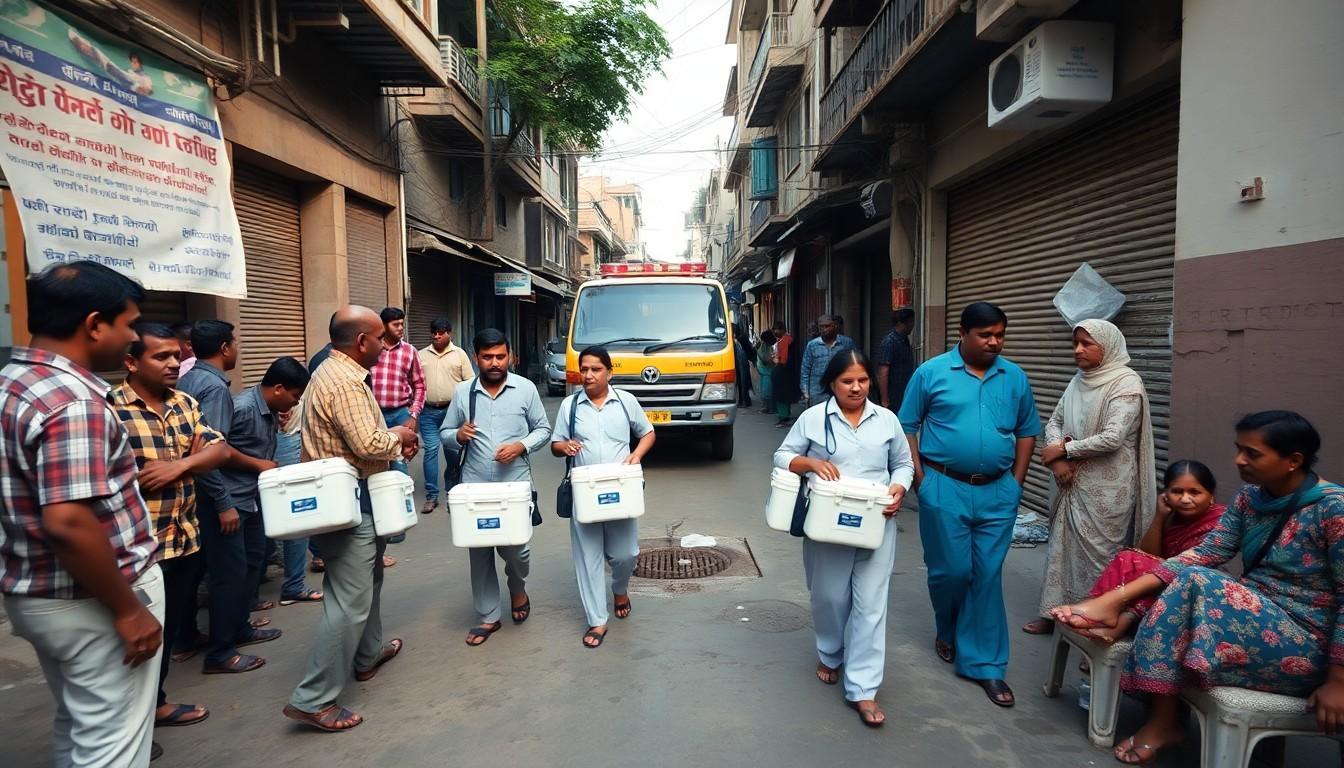
Officials said more than 300 vaccination teams will be deployed, with the campaign targeting about 250,000 children. The drive is concentrated in areas linked to pumping stations where poliovirus has previously been detected in sewage samples, reflecting the growing use of wastewater testing to guide immunisation efforts in Pakistan and elsewhere.
The Hyderabad plan follows earlier fractional-dose polio campaigns in Sindh and in India, where health agencies used the same approach to protect children in areas considered at risk of continued transmission or vaccine-derived poliovirus circulation. The World Health Organization and the US Centers for Disease Control and Prevention have both described such campaigns as part of broader efforts to maintain immunity when poliovirus is found in environmental samples.
Pir Ghulam Hussain also urged the media and wider community to back the health department’s anti-polio work. He linked the briefing to seasonal public-health concerns as well, warning that monsoon conditions raise the risk of dengue and calling for stronger preventive messaging alongside the vaccination drive.
Disclaimer: This content is for informational purposes only and is not intended to be a substitute for professional medical judgment, advice, diagnosis, or treatment.