

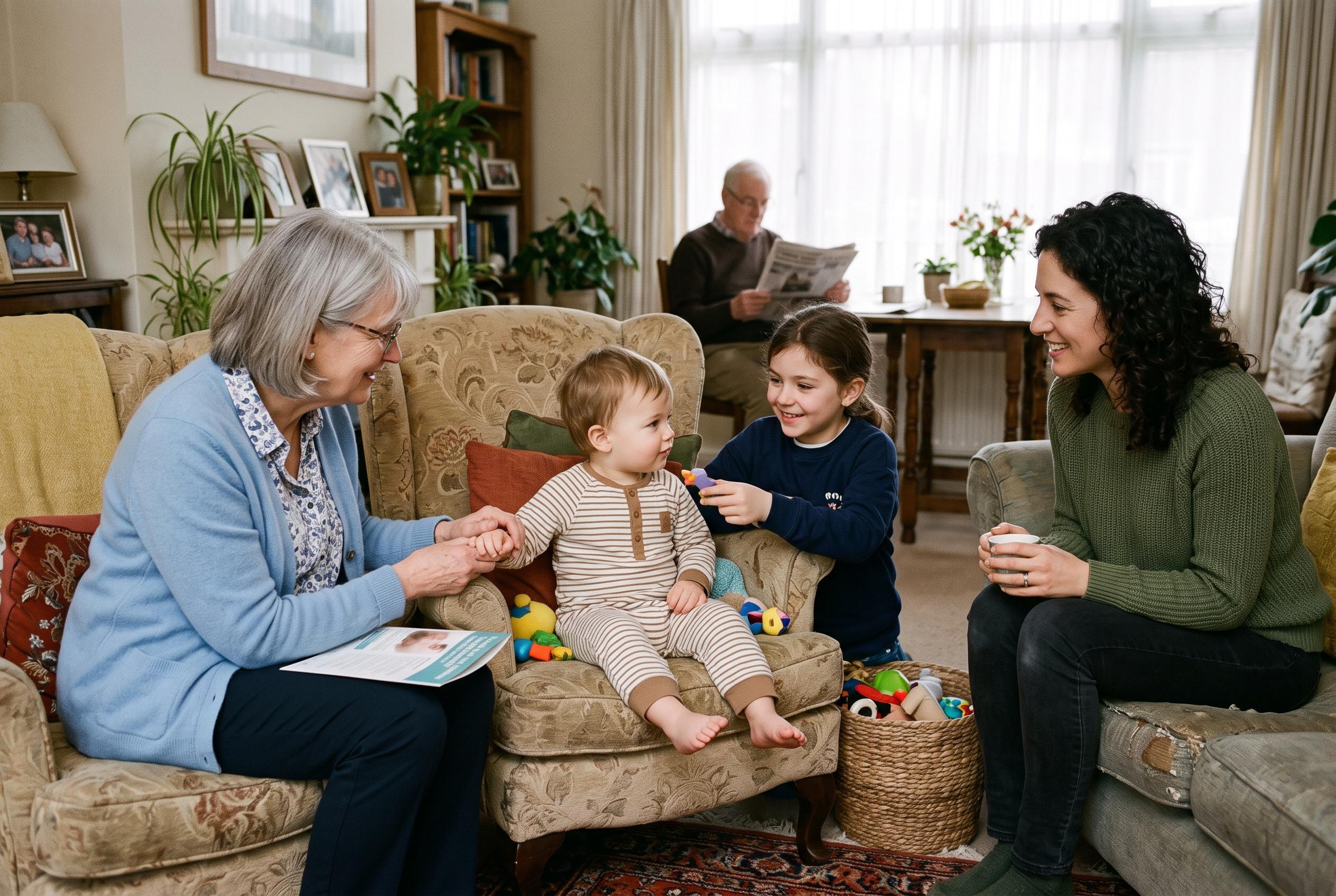

A study of more than 158,000 children suggests that focusing newborn hepatitis B vaccination policy on maternal risk could overlook infections acquired from other household members.
A new retrospective cohort study presented at IDWeek suggests that many hepatitis B virus exposures in young children come from people in the household other than the birth mother, a finding that could complicate efforts to narrow newborn vaccination policies to maternal risk alone. The research, led by Karen B. Jacobson, found that more than half of HBV exposures identified in children younger than five were linked to non-maternal household contacts.
Jacobson told reporters before the conference that recent guideline discussions have centred heavily on maternal transmission, but that approach may miss other routes of exposure inside the home. Her study examined medical records for more than 158,000 children younger than five and identified 2,024 living with someone who had an active HBV infection. Among those children, 58.2% were exposed through a household contact who was not the birth mother. Most of those contacts were male, with a median age of 44.
The findings come as federal hepatitis B vaccine policy remains unsettled in the United States. Last year, the Centres for Disease Control and Prevention’s Advisory Committee on Immunization Practices voted to end the long-standing recommendation that medically stable newborns receive a hepatitis B vaccine dose within 24 hours of birth, instead limiting that advice to babies born to mothers with active infection or unknown status. That change, however, has been blocked by a federal judge while legal challenges continue. The CDC says hepatitis B vaccination is the best way to prevent infection, which can become chronic and cause lasting liver damage.
The study also suggested that vaccination coverage remained high overall, but was not perfect in every exposure group. All infants born to HBV-positive mothers in the study received a vaccine within seven days of birth, but the rate fell to 93.5% among children exposed through other household members and to 86.7% among children with no known exposure. Jacobson said transmission from non-maternal contacts remains rare in the United States because vaccination rates are high, but she warned that children could face greater risk if those rates fall. The Infectious Diseases Society of America has argued that removing the universal birth-dose recommendation would undo a public health practice that has prevented most new hepatitis B infections and many deaths.
Disclaimer: This content is for informational purposes only and is not intended to be a substitute for professional medical judgment, advice, diagnosis, or treatment.



