

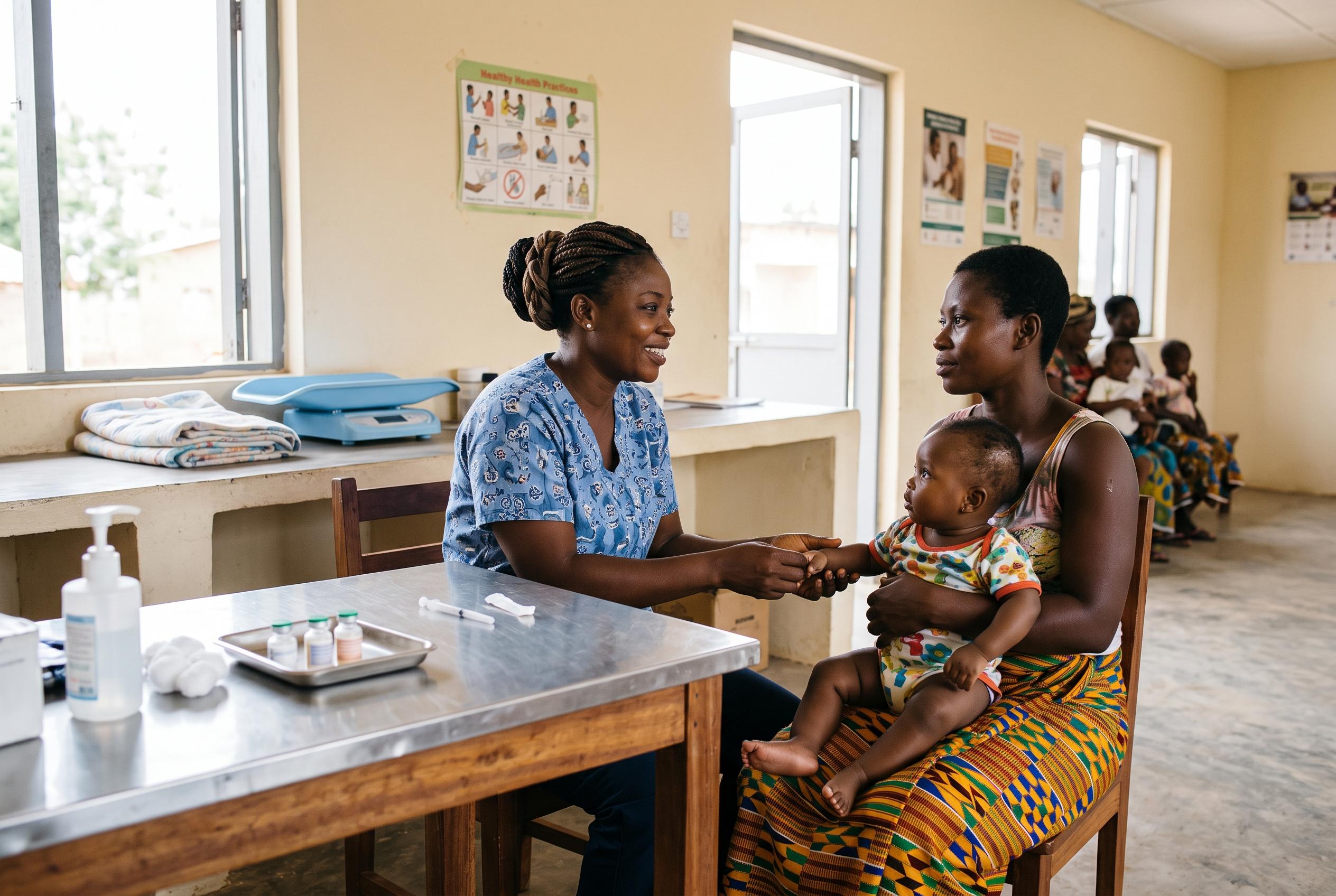

A planned study of 14,000 babies has been cancelled after researchers failed to obtain administrative approval, following months of ethical and political scrutiny.
A controversial hepatitis B vaccine study planned for Guinea-Bissau has been called off after the researchers said they failed to secure the administrative approval needed to proceed, ending months of dispute over a trial that had drawn criticism from ethicists, health officials and international public health bodies. Writing on LinkedIn on Wednesday, the Danish epidemiologist Frederik Schaltz-Buchholzer described the cancellation as “an opportunity missed” for the West African country and said the project would not go ahead. The decision follows a period of escalating scrutiny that culminated in a police search of the Bandim Health Project in Bissau and the seizure of vaccines, according to local authorities and reporting by Le Monde.
At the centre of the row was a proposal by Danish researchers linked to the University of Southern Denmark to enrol 14,000 infants in a study examining the broader effects of the hepatitis B birth dose. Half the babies would have received the vaccine at birth, while the rest would have waited until six weeks of age, allowing researchers to compare mortality, illness and neurodevelopment over the first five years of life. The project had attracted funding from two United States foundations and the US government, a fact that intensified scrutiny after Robert Kennedy Jr. removed the recommendation for routine hepatitis B vaccination of newborns in the United States at the start of the year, prompting fears that the study could be used to cast doubt on an established vaccine.
Those concerns were amplified by the scientific and ethical debate over the trial design itself. The World Health Organisation said in February that the study, as proposed, was inconsistent with ethical and scientific principles because it would withhold a proven vaccine from some infants and could expose them to serious risks, including chronic infection, cirrhosis and liver cancer. The organisation also said Guinea-Bissau had suspended the study pending further technical review. Around the same time, the University of Southern Denmark placed a full hold on the project while its dean sought outside ethics input, after criticism that the local approval process could present conflicts of interest. In June, a Lancet Global Health analysis argued that stopping the trial was the right outcome, while also saying the public debate had sometimes missed the deeper methodological and governance problems.
The political response in Guinea-Bissau hardened as the controversy grew. On October 13, health minister Quinhin Nantote told reporters in Bissau that any research involving human beings, especially children, had to comply strictly with national law and international ethics rules, and denied claims that his ministry had approved the trial. Magda Robalo, who heads the Institute for Global Health and Development in Guinea-Bissau, told Le Monde that the proposed study was unethical and lacked a sound scientific basis. Nantote later said the matter was closed, adding that the country was working towards introducing hepatitis B vaccination for children. The eventual cancellation appears to have settled, at least for now, a dispute that had exposed tensions between foreign-funded research, local oversight and the ethics of conducting randomised trials in vulnerable populations.
Disclaimer: This content is for informational purposes only and is not intended to be a substitute for professional medical judgment, advice, diagnosis, or treatment.



