

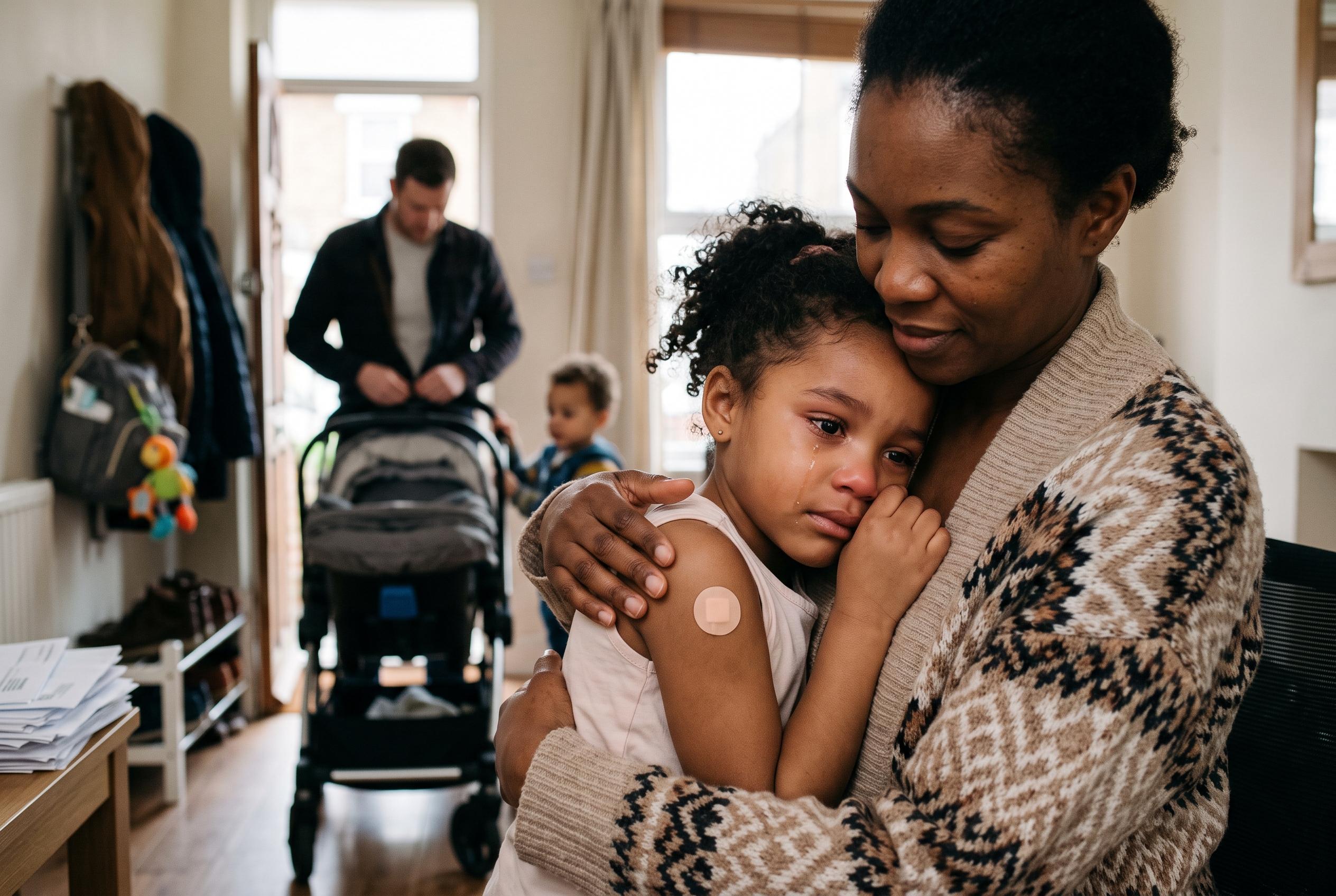

Health experts warn that access barriers, misinformation and complacency are weakening immunisation coverage and allowing once-controlled infections to regain a foothold.
Low childhood vaccination rates are giving once-controlled diseases fresh room to spread, a Colombian health educator has warned, as public-health officials and recent research in the United States point to the same risk: when immunisation coverage falls, measles, whooping cough and other preventable infections can return.
Lina Marcela Ciro Ladino, a nursing lecturer at the Fundación Universitaria del Área Andina in Pereira, said barriers such as difficult access to healthcare in rural areas, clinic hours that clash with parents’ work schedules, long waits and pandemic-related interruptions can all weaken vaccination coverage. She also pointed to misinformation and a false sense of security, as families who have not seen certain diseases for years may assume the threat has passed, even though that lower circulation is often the result of sustained immunisation.
That concern is not limited to Colombia. In the United States, recent reporting by FactCheck.org and Axios has tied a sharp rise in measles cases to falling vaccination rates rather than migration or other political claims. Axios reported that the number of cases climbed above last year’s total and reached the highest level in decades, with most infections occurring in unvaccinated people. A separate JAMA modelling study warned that declining childhood vaccination could allow diseases previously pushed out of circulation to re-emerge more often and, in some cases, become endemic again.
The practical advice from health professionals remains simple: parents and carers should check children’s vaccination records and make sure doses are up to date. The Colombian article notes that some vaccination ages have been adjusted for 2026, with several infant doses brought forward by a few weeks, and that pregnancy schedules have also changed, including earlier timing for the Tdap vaccine and the addition of respiratory syncytial virus, or RSV, vaccination from week 28 of pregnancy. These changes are designed to protect newborns while their immune systems are still developing.
Losing a paper vaccination card does not necessarily mean losing the record. In Colombia, doses may still be logged in PAIWEB and can be checked through authorised channels such as Mi Vacuna, according to the article. If records cannot be found, health staff can review the child’s situation and decide how best to complete the schedule; a delay does not automatically mean the whole series must be restarted. The same preventive logic applies beyond childhood, including for people living in or travelling to yellow fever risk areas, where authorities advise reviewing vaccination status in line with current guidance.
Ciro Ladino’s message is ultimately about collective protection as much as individual safety. High vaccination coverage helps prevent outbreaks, shields children from severe complications and reduces the chances that illnesses which once seemed under control will regain a foothold.
Disclaimer: This content is for informational purposes only and is not intended to be a substitute for professional medical judgment, advice, diagnosis, or treatment.



