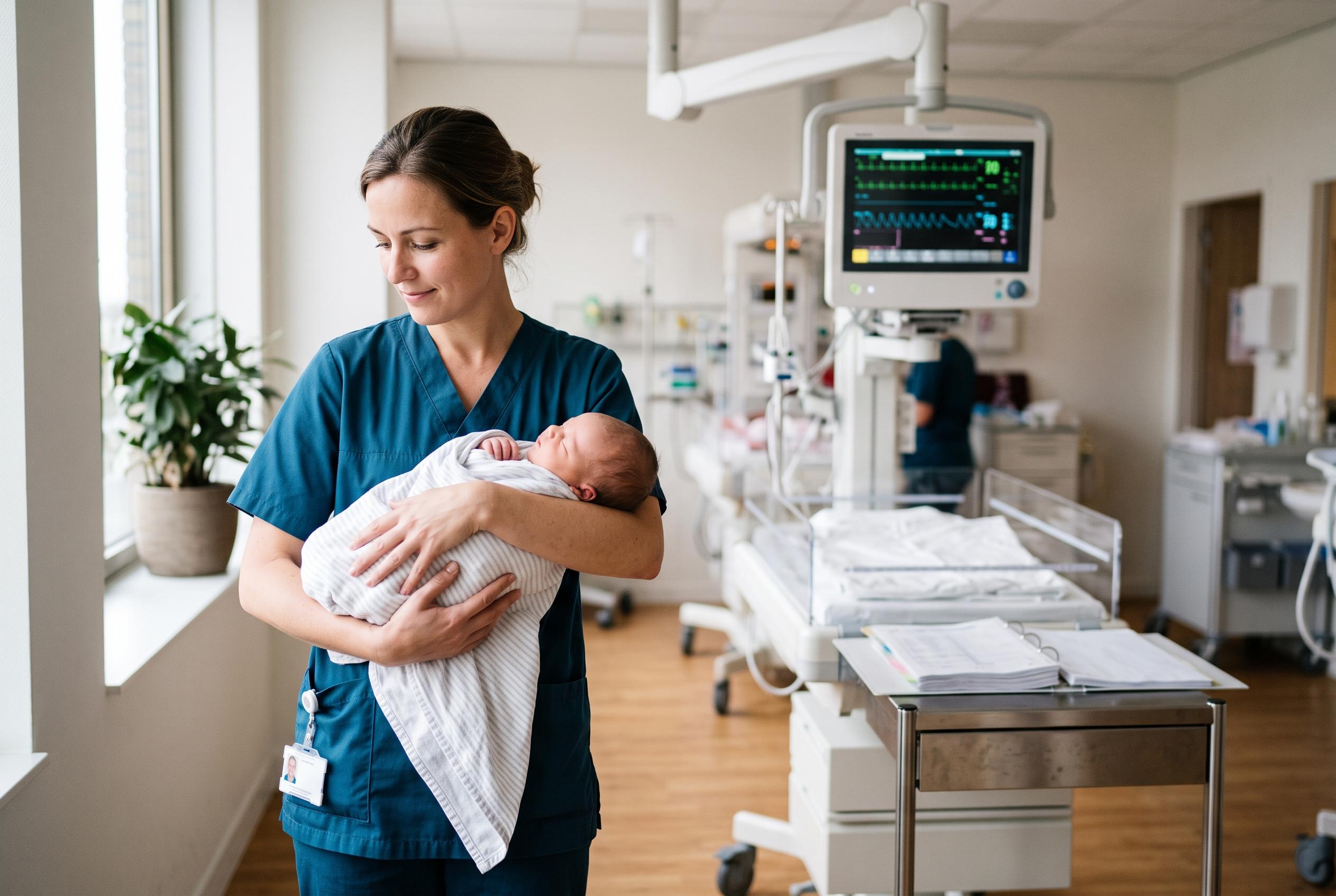

The Netherlands reports a significant drop in severe RSV cases among infants, attributing the success to a newly introduced immunisation containing ready-made antibodies that offers immediate protection for vulnerable babies.
The number of babies ending up in intensive care with severe respiratory syncytial virus has fallen sharply in the Netherlands, and doctors at Radboud University Medical Centre in Nijmegen say the new preventative injection is the main reason. Nationally, cases dropped from 178 in the winter of 2024-25 to 43 this season, while the hospital in Nijmegen has seen the number of seriously ill children halve.
RSV is usually little more than a bad cold for adults and older children, but it can become dangerous in very young babies. Koen van Aerde, a paediatric infectious diseases specialist and immunologist at Radboudumc, said the infection can inflame the smallest airways, leaving infants struggling to breathe, feeding poorly and, in the most serious cases, needing ventilation. Because a baby’s airways are so narrow, even a small amount of swelling or mucus can cause major problems.
Since September 2025, babies in the Dutch youth health system have been offered an immunisation containing ready-made antibodies rather than a traditional vaccine. That means the baby does not need to build its own immune response; protection starts immediately and lasts through the season. Babies born during the RSV season are offered the injection within two weeks of the post-birth home visit, while those born at other times receive it before the season begins.
Take-up has been strong, according to Esther Kramer, a doctor in public health and youth health at GGD Gelderland-Zuid. She said parents are generally enthusiastic, helped by the fact that many know how severe RSV can be. The timing of the rollout appears to be paying off: van Aerde said the hospital no longer needed the bed-finding system that was previously used each winter to locate spare paediatric or intensive-care capacity, sometimes far beyond the region and even in Germany.
The Dutch experience fits with findings elsewhere. In the United States, the Centres for Disease Control and Prevention said a study found nirsevimab, the long-acting antibody used to protect infants, was 90% effective in preventing RSV hospitalisations. Research published in JAMA has also reported that newly licensed RSV vaccines have reduced illness in both young children and older adults, with a separate study showing protection against hospitalisation in people aged 60 and over. For doctors in Nijmegen, the message is straightforward: the latest RSV protection is working, and working well.
Disclaimer: This content is for informational purposes only and is not intended to be a substitute for professional medical judgment, advice, diagnosis, or treatment.