

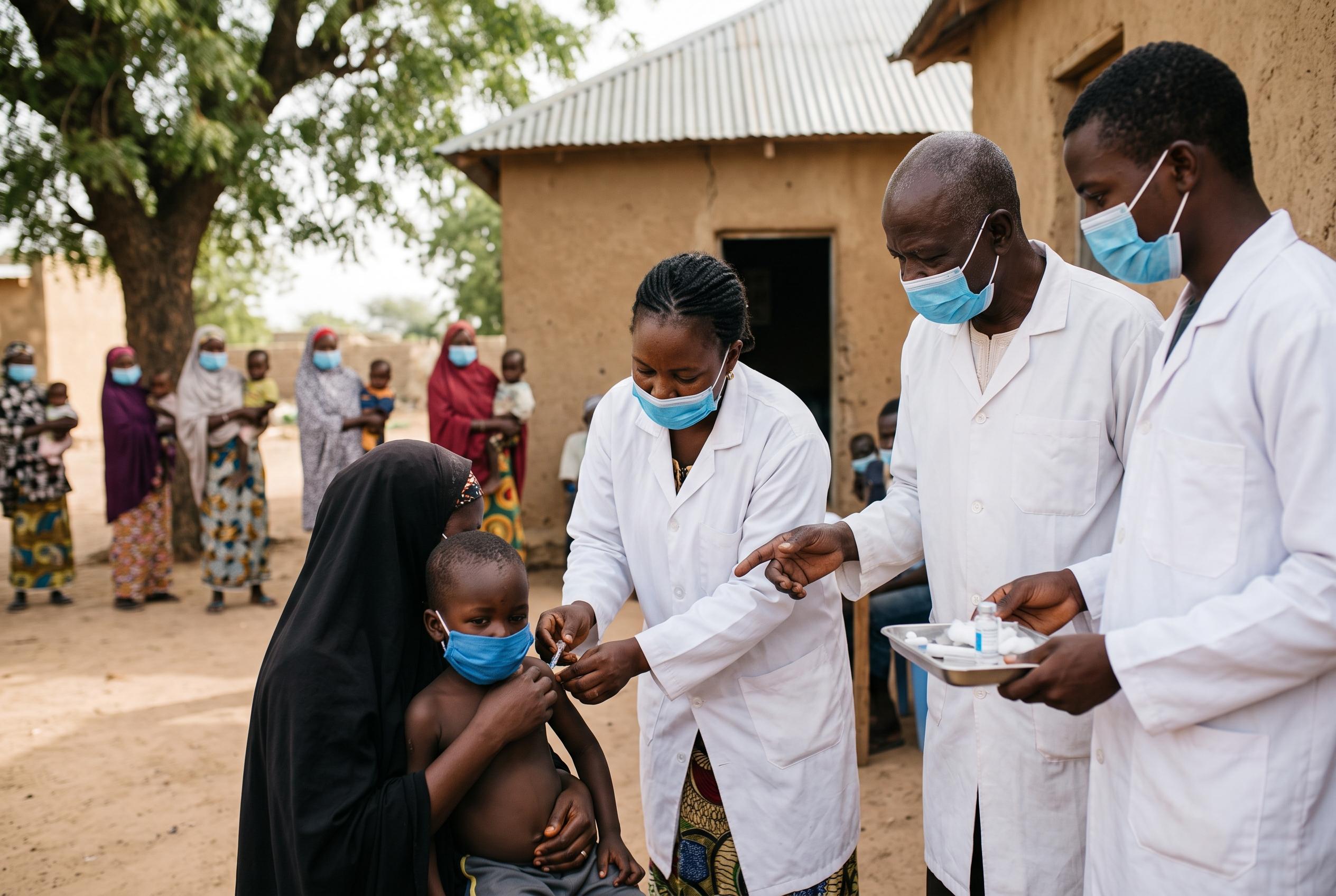

The worsening diphtheria crisis in Zamfara highlights critical gaps in immunisation, with health officials and UNICEF warning of escalating child deaths and the urgent need for catch-up vaccinations amidst a rapidly spreading outbreak.
Zamfara State’s diphtheria outbreak has worsened since an early September report first put the death toll at 39 children and the number of suspected cases at 261 across 10 local government areas. Later updates suggested the crisis had deepened further, with Edugist reporting 44 deaths and 367 clinically suspected cases, while Channels Television said on September 15 that the state had recorded 367 confirmed cases and more than 320 recoveries after treatment. The shifting figures underline how fast the outbreak has moved and how quickly public health teams have been trying to keep pace.
Health officials say the illness has hit very young children hardest, especially those between six and 10 months old, many of whom were brought to hospital only after their breathing had already become dangerously difficult. Diphtheria, a bacterial infection that usually begins with familiar cold-like symptoms, can quickly lead to swelling in the throat and neck and then respiratory failure if treatment is delayed. The state’s response has centred on rapid case finding, isolation, antibiotics and antitoxin, alongside contact tracing in affected communities.
According to the Zamfara health ministry, Gusau has accounted for the largest share of suspected cases, and the authorities have deployed rapid response teams to affected wards and hospitals. In the earlier THISDAY report, Rilwan Musa, the ministry’s permanent secretary, said the government was working with partners but needed far more vaccines, health workers and community sensitisation. UNICEF Nigeria has separately warned that diphtheria has spread widely across the country and said many confirmed cases involve children who had not received even a single vaccine dose.
That gap in routine immunisation is central to the outbreak in Zamfara, where health workers say missed doses and hesitancy have left children exposed. UNICEF has said catch-up vaccination is urgently needed for so-called zero-dose children, while the state has begun prioritising outreach to hard-to-reach communities. For parents and caregivers, the message from clinicians is blunt: bring any child with fever, sore throat or breathing trouble to a clinic immediately, and complete the full vaccination schedule at primary healthcare centres, where the routine shots are free.
Disclaimer: This content is for informational purposes only and is not intended to be a substitute for professional medical judgment, advice, diagnosis, or treatment.



