


The CDC is poised to resume a contentious hepatitis B vaccine trial in Guinea-Bissau, stirring renewed debate on ethics and independence amid recent leadership changes and international criticism.
The Centres for Disease Control and Prevention is preparing to revive funding for a controversial hepatitis B vaccine trial in Guinea-Bissau, according to reporting by Rolling Stone, in a move that comes just months after the study was suspended amid international criticism over its ethics. The renewed push follows the confirmation of Erica Schwartz as CDC director and has again raised questions about how much independence the agency retains from Health Secretary Robert F. Kennedy Jr, who has long backed researchers associated with the project.
In late September, a staff member in the CDC director’s office instructed budget officials to reserve $1.6 million for the study, Rolling Stone reported, drawing the money from funds Congress had earmarked for global health security work. That pot is meant to support efforts such as outbreak response and disease prevention overseas, including current concerns about Ebola in the Democratic Republic of Congo and other threats that public-health officials say demand immediate attention.
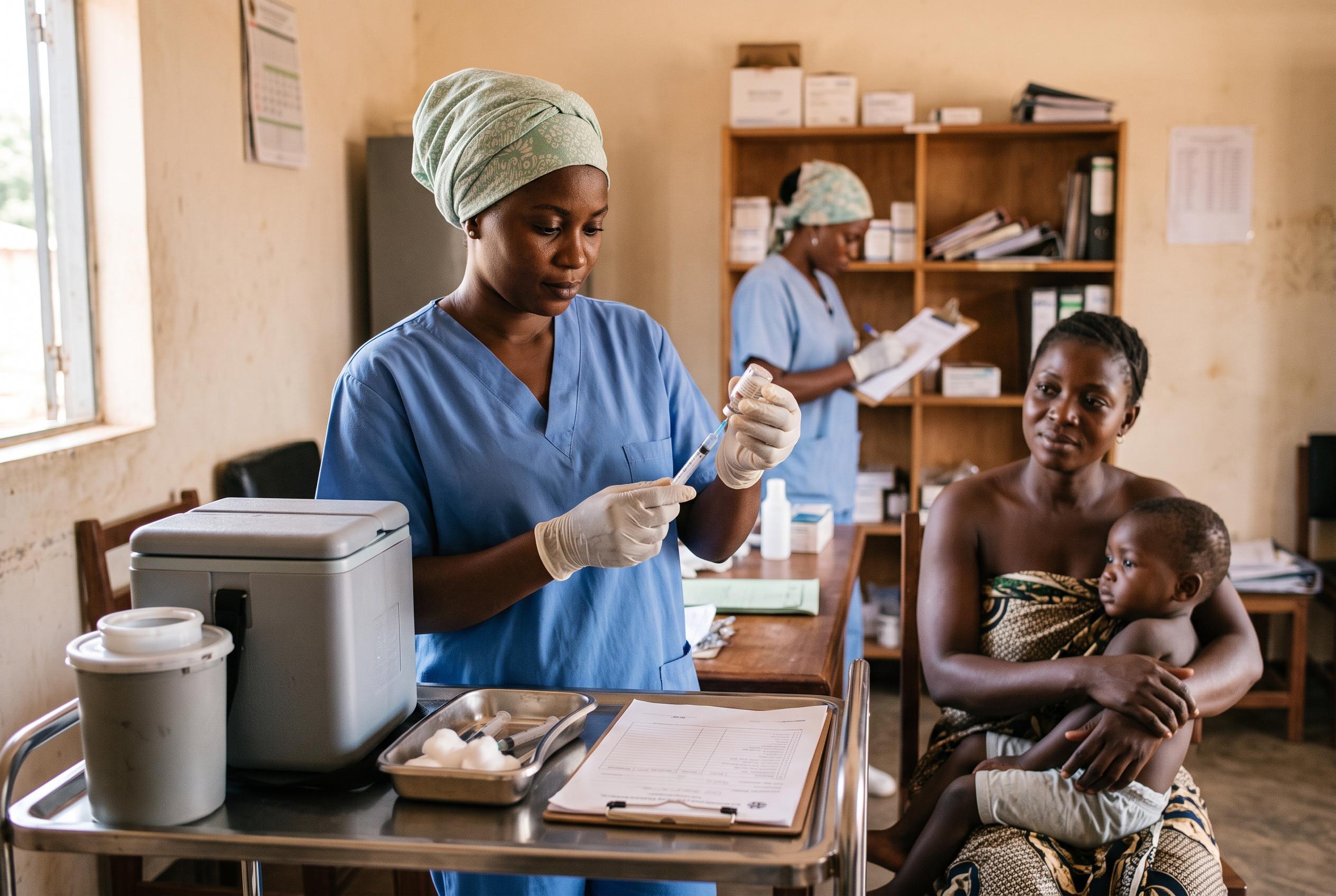
The proposed trial would be carried out in Guinea-Bissau, where researchers want to examine whether a birth dose of hepatitis B vaccine is linked to harms such as skin conditions or developmental disorders. According to the report, the study would involve about 14,000 newborns, with only half receiving the vaccine at birth. Infectious-disease specialists quoted by Rolling Stone said that design risks leaving some infants exposed to hepatitis B without the protection routinely recommended elsewhere. Paul Offit, a paediatrician at the Children’s Hospital of Philadelphia, called it “a wholly unethical trial, and it shouldn’t be allowed”. Christine Stabell Benn, one of the researchers leading the work, has defended the project, saying it follows national policy in Guinea-Bissau and has been approved by the country’s ethics committee.
The controversy has grown more intense since the project first emerged publicly. Rolling Stone reported that the CDC award was announced in December 2025, prompting objections from scientists and bioethicists who argued it could breach the Helsinki declaration, which requires researchers to offer participants the best proven intervention rather than merely local standard care. In January, the Africa CDC said the study had been suspended, although Danish researchers and US health officials insisted it would proceed. The World Health Organization then said in February that it had “significant concerns” about the trial’s scientific justification and ethical safeguards, and later that month the University of Southern Denmark said it would pause the project.
The latest twist centres on the university’s internal review and on the role of CDC leadership. In a statement to Rolling Stone, Jakob Grauslund, dean of the faculty of health sciences at the University of Southern Denmark, said on 7 October 2026 that he had approved the researchers to move forward with a revised protocol, although he added that the study still cannot begin until final authorisation is granted in Guinea-Bissau. The dean said the university had sought independent review elsewhere but had been told that neither the World Health Organization’s ethics body nor the European Network of Research Ethics Committees could take it on. Senator Angela Alsobrooks of Maryland said CDC leaders were backing what she described as “RFK Jr.’s unethical and deeply disturbing vaccine trial”, while critics cited by Rolling Stone argued that the agency’s renewed interest shows how a long-running and contested research effort has survived repeated attempts to stop it.
Disclaimer: This content is for informational purposes only and is not intended to be a substitute for professional medical judgment, advice, diagnosis, or treatment.



