

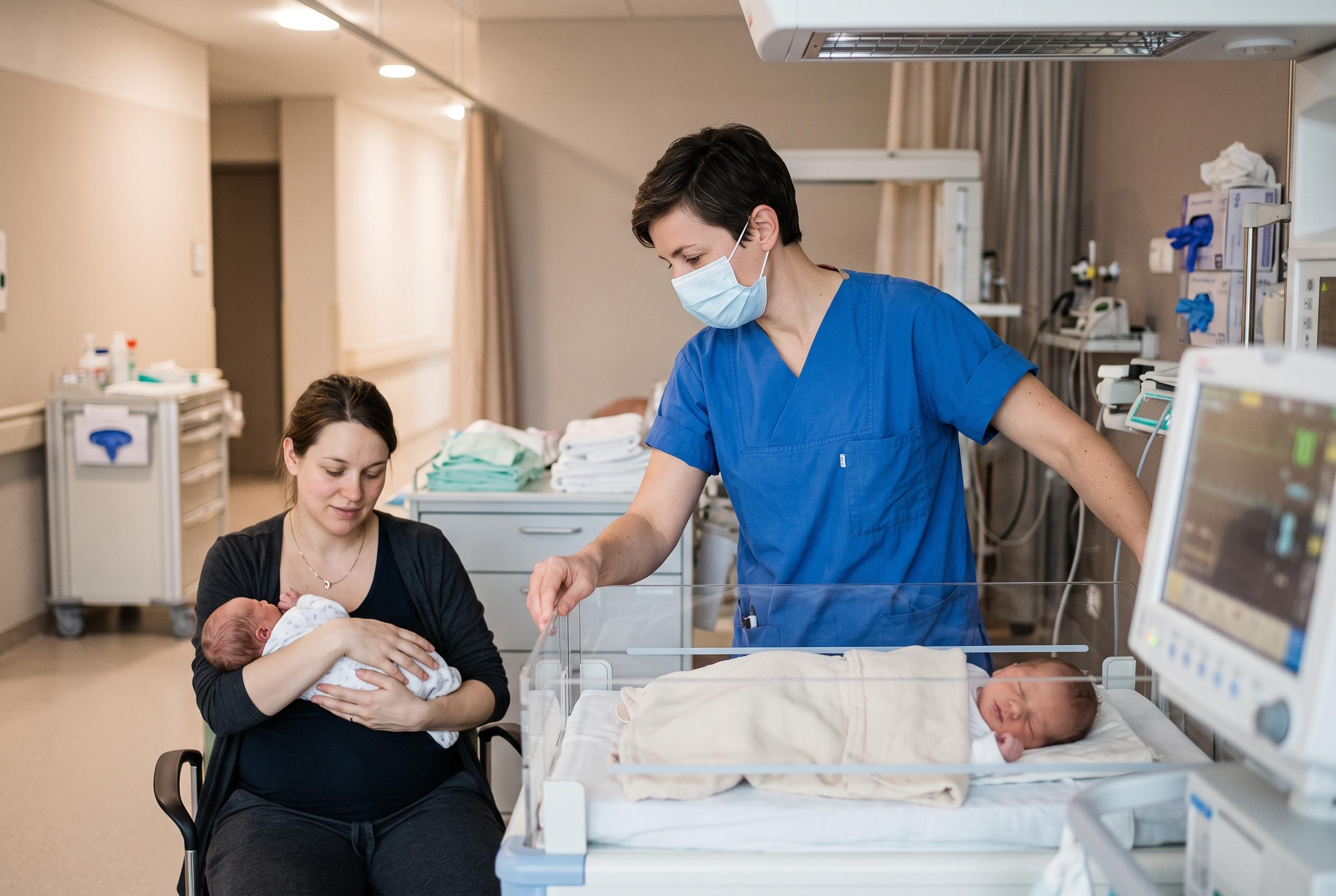

Austria’s free passive immunisation programme for newborns has significantly reduced hospital admissions for respiratory syncytial virus, with uptake reaching up to 90% in maternity wards, as authorities explore additional preventive options for vulnerable groups.
Austria’s free passive immunisation programme for newborns has cut the burden of respiratory syncytial virus on children’s hospitals, according to figures presented by the Health Ministry and paediatric specialist Reinhold Kerbl. Hospital admissions for babies under 12 months fell by 74% in the 2025/26 season compared with 2023/24, while admissions among children aged 13 to 24 months dropped by 21%, amounting to 1,740 fewer hospital stays overall. The official Austrian health portal says the antibody treatment is offered free of charge during the RSV season, usually from October to March, either on maternity wards or through paediatricians.
The programme appears to be gaining broad acceptance, especially in hospitals. Data discussed by Maria Paulke-Korinek, who heads the ministry’s immunisation division, suggest uptake on maternity wards ranges from 75% to 90%, depending on the hospital and province. By contrast, participation among children born outside the winter season and later seen by community paediatricians is lower, at roughly 50% to 65%. The national vaccination portal and health ministry guidance both describe the injection as passive immunisation, meaning it provides ready-made antibodies rather than prompting the body to make its own response.
Kerbl said parents are often reassured once the treatment is explained this way, because protection begins immediately after administration. The LKH Hochsteiermark doctor, who also serves as general secretary of the Austrian Society for Paediatric and Adolescent Medicine, said the measure has little in the way of serious side effects and that families can see the benefit. He warned, however, that RSV remains far from harmless in very young children: it can trigger bronchiolitis, cause severe breathing difficulty and, in some cases, require hospital respiratory support or even ventilation.
The latest national disease surveillance also shows the seasonal pressure from RSV has eased. Austria’s Agency for Health and Food Safety reported that hospital admissions had already been falling by mid-February 2026, even though the virus still accounted for more than 10% of tested samples in early April. The agency later said the 2026 outbreak lasted about nine weeks, peaking at the end of February, when hospitalisations reached 341 a week. It identified children under five and adults over 65 as the groups at greatest risk of severe illness.
Experts also point to a second preventive option: immunisation during pregnancy. According to Austria’s vaccination portal, expectant mothers can be vaccinated so that antibodies pass through the placenta to the baby before birth, which is most useful when delivery is expected during the RSV season. That maternal vaccination is not free, unlike the infant programme. Austria also recommends RSV vaccination for adults aged 60 and over, as well as some younger people with underlying health conditions, underscoring that RSV remains a significant concern well beyond infancy.
Disclaimer: This content is for informational purposes only and is not intended to be a substitute for professional medical judgment, advice, diagnosis, or treatment.



