

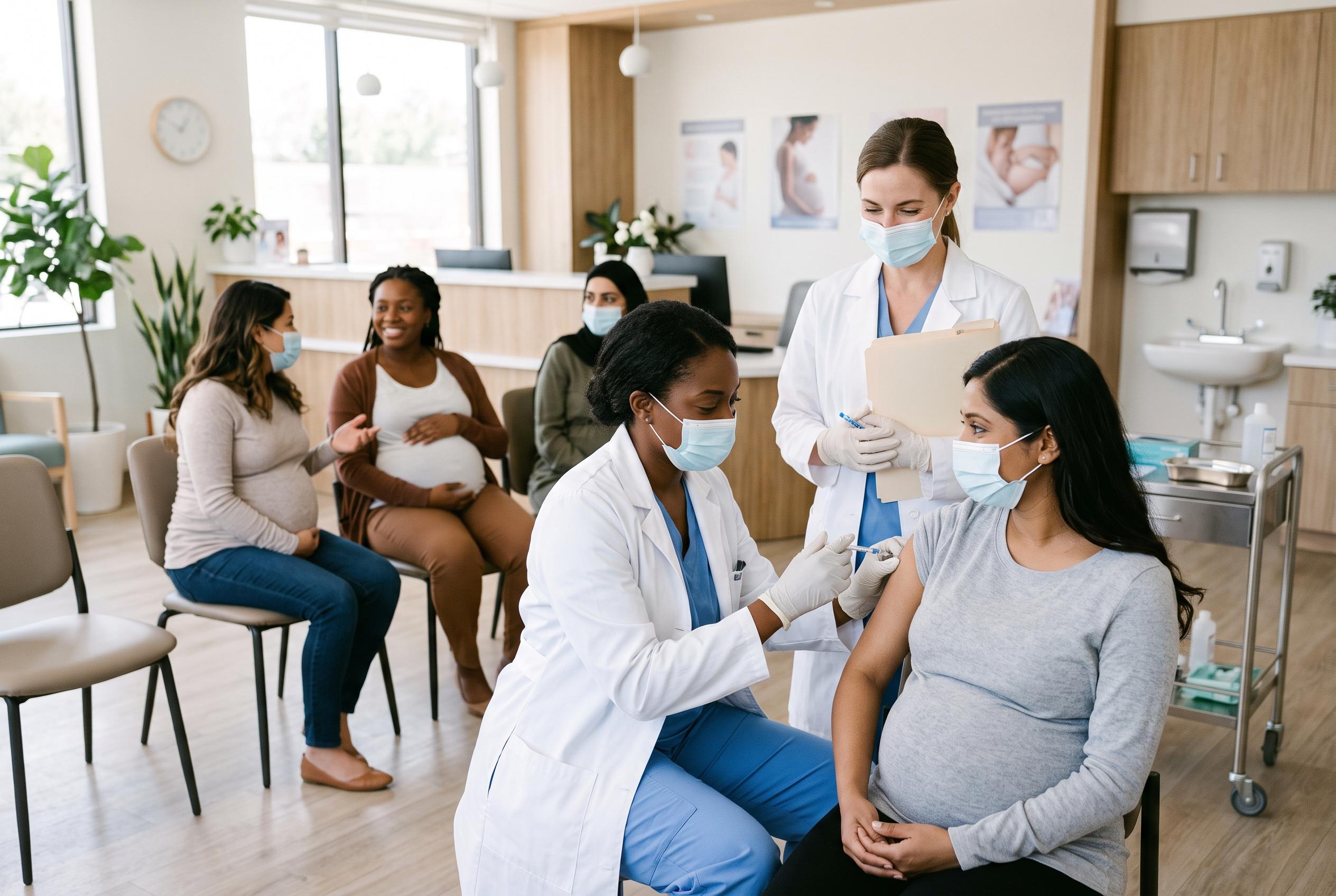

More than 195,000 pregnant women received free RSV jabs in Argentina’s 2026 campaign, as studies link the programme to sharp falls in hospital and intensive care admissions among babies.
Argentina has emerged as one of the clearest real-world tests of maternal vaccination against respiratory syncytial virus, or RSV, after finishing its 2026 campaign with coverage of 80.6% among the target group and more than 195,000 doses administered, according to data from the Ministry of Health. The programme, which offers the jab free of charge as part of the national immunisation schedule, has now been in place for three years and is being watched closely by public health experts across Latin America.
The country’s results go beyond uptake alone. According to figures cited by Misiones Online, Argentina has recorded a 62% fall in hospital admissions for RSV among babies younger than six months and a 70% drop in intensive care admissions since the vaccine was introduced. Independent studies published in medical journals support that broader picture, showing strong protection against the worst outcomes of RSV in early infancy.
One of those studies, the BERNI research, found the maternal RSVpreF vaccine was about 78.6% effective at preventing RSV-related hospitalisation in infants under three months and 71.3% effective up to six months of age. It also reported protection of 76.9% against severe lower respiratory tract infection requiring hospital treatment. A separate multicentre observational study found an adjusted effectiveness of 78.7% against RSV hospitalisation in infants under six months, while also showing shorter oxygen use and hospital stays among babies born to vaccinated mothers.
Specialists involved in the Argentine experience say the impact is visible in everyday practice. Gonzalo Pérez Marc, a paediatrician and principal investigator in the vaccine trials in the country, said the evidence points to a direct easing of pressure on hospitals, with fewer admissions for bronchiolitis and pneumonia. Leonardo Mezzabotta, a gynaecologist and obstetrician, said direct recommendation in the consultation room can more than triple the chances that a pregnant patient chooses vaccination.
Argentina’s experience has also become a reference point for the region. Uruguay, Colombia, Brazil, Mexico, Panama and Ecuador have begun adopting maternal RSV immunisation in their own national programmes, according to the report. Even so, researchers have noted that the virus still causes a substantial number of severe infections, particularly among infants who were not yet covered by the campaign, underlining the need to keep vaccination rates high and the programme widely available.
Disclaimer: This content is for informational purposes only and is not intended to be a substitute for professional medical judgment, advice, diagnosis, or treatment.



