

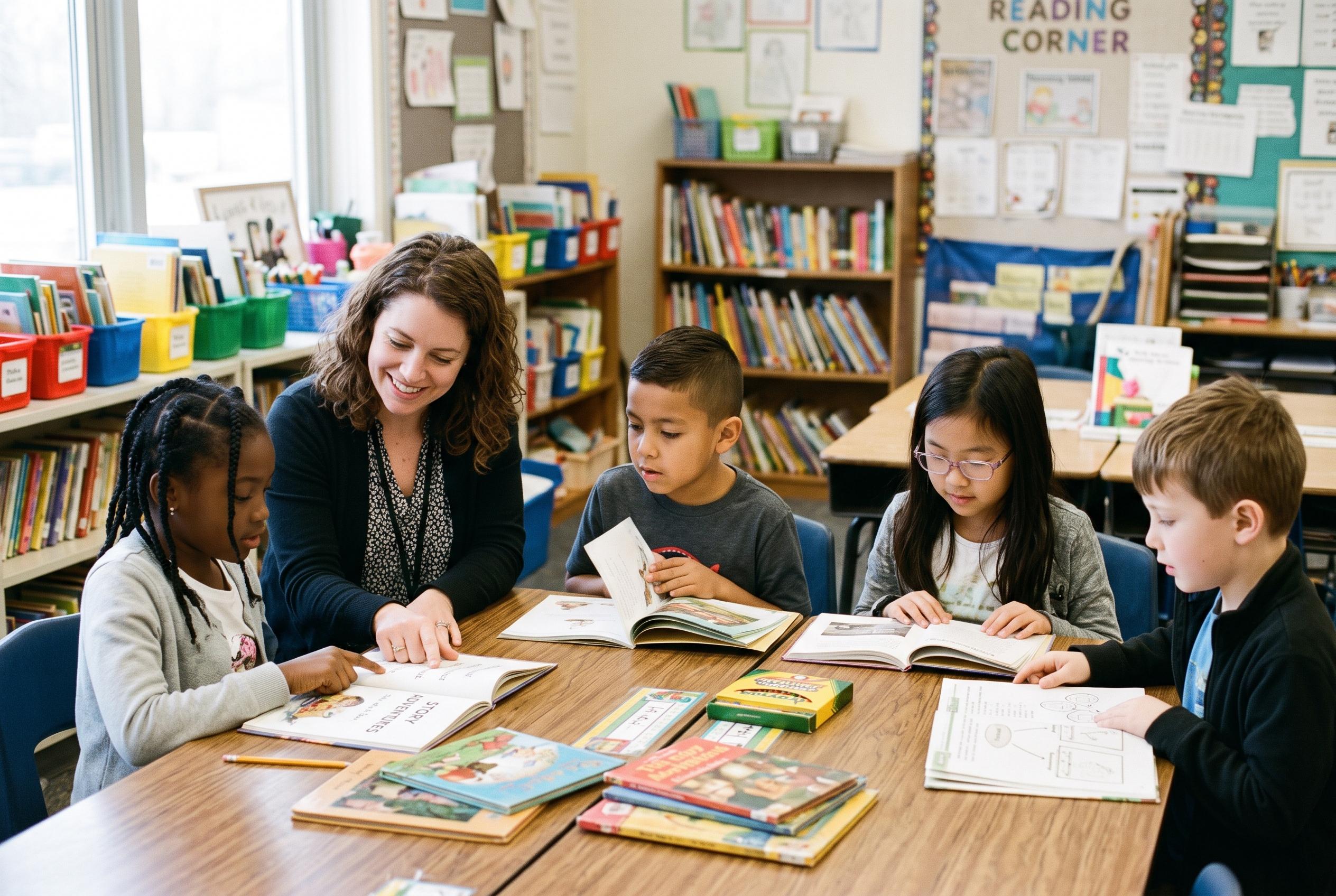

Third grade marks a shift from learning to read to reading to learn, but Harvard educator Pamela Mason says the foundations , and the chances to change course , begin much earlier and continue well beyond it.
Every year of a child’s schooling matters, but educators often single out third grade as a turning point. Pamela Mason, a senior lecturer at Harvard Graduate School of Education, argues that the foundations for success are laid much earlier, beginning in preschool and kindergarten, where children start building the habits, language skills and confidence that underpin later learning. By first grade, many are beginning to read simple books on their own, and by the time they are older, reading becomes the tool they use to learn across subjects.
Third grade attracts so much attention because it is often the moment when children move from learning how to read to using reading as a way to gain knowledge. Jeanne Chall’s influential book, “Stages of Reading Development”, helped popularise that distinction, and literacy specialists still use her framework to explain why this year can feel especially important. Research summaries of Chall’s work describe reading development as a series of stages, with each phase building on the one before it.
That does not mean third grade alone determines a child’s future. Mason says the pressure on this year can be misleading, especially when test scores are treated as if they define a child’s long-term prospects. In many states, third-grade reading tests carry weight, and in some places children who fall short may be retained. But educators caution that a single score cannot capture the full picture of a child’s ability, motivation or potential to catch up with the right support.
National data have long suggested that third-grade reading proficiency is associated with later academic outcomes, including high school completion. Even so, Mason warns against turning those statistics into a fixed prediction. She points out that many children who struggle at that stage make substantial progress once they receive targeted help, which means the issue is not inevitability but intervention. For parents and schools, the message is less about panic and more about ensuring that early learning is steady, well supported and responsive to individual needs.
Schools can play a major role by offering reading specialists and literacy coaches who help both pupils and teachers. That support can include small-group instruction, extra practice and classroom strategies that help children keep pace without being labelled too early. The broader lesson, according to Harvard’s Mason, is that literacy development is cumulative: success in third grade depends on the groundwork laid in the years before it, and the right support can change a child’s trajectory long after that year has passed.
Disclaimer: This content is for informational purposes only and is not intended to be a substitute for professional medical judgment, advice, diagnosis, or treatment.



