

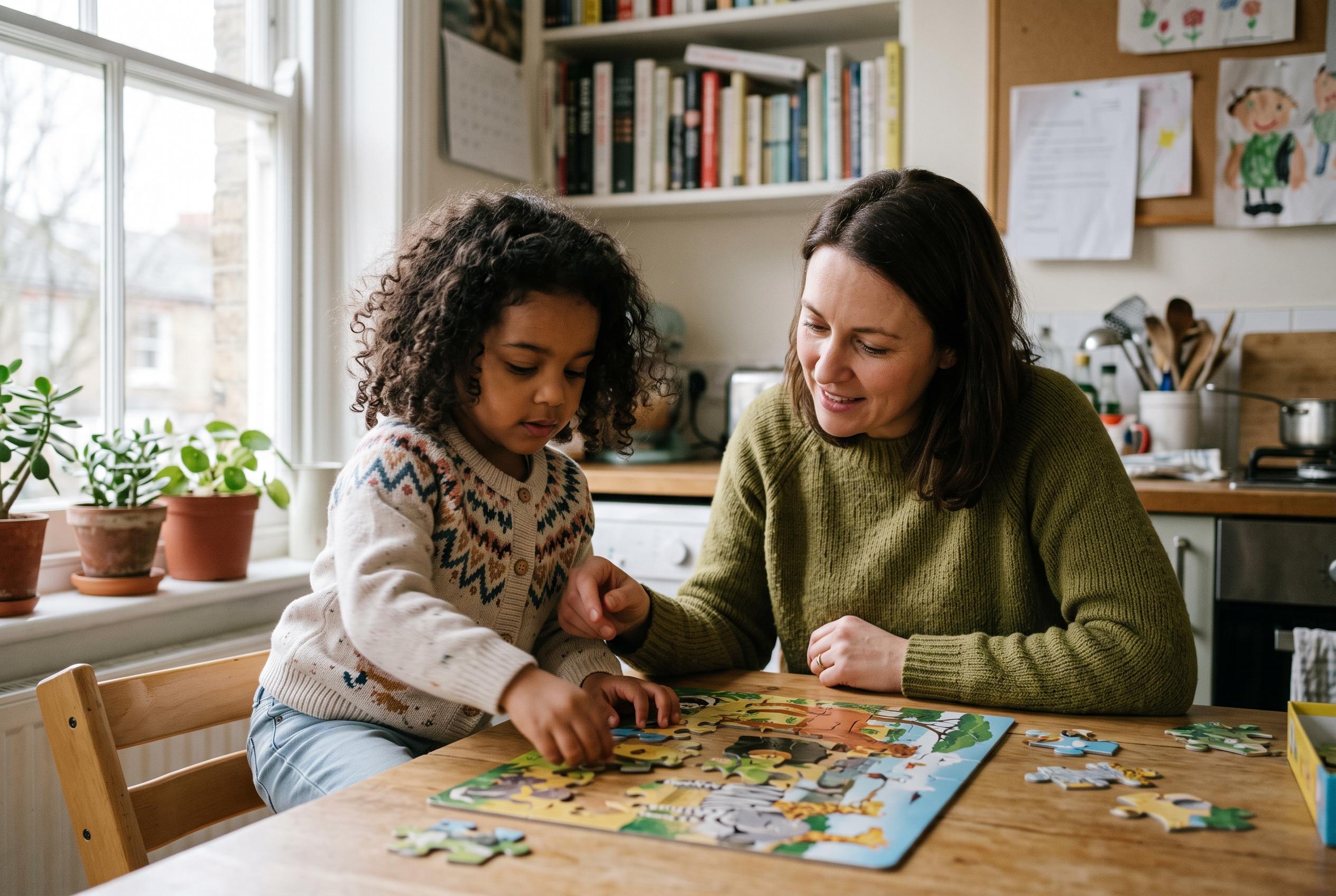

Experts say parents should praise the small steps towards a goal rather than wait for perfect behaviour, using specific encouragement to reinforce progress and reduce unproductive criticism.
Many parents and teachers hold back praise until a child has fully mastered a skill, worrying that approval too early will breed entitlement or weaken motivation. But the deeper problem, as Psychology Today argues, is that children often need encouragement most while they are still learning. Praise can reinforce the small steps that eventually produce the finished behaviour, rather than serving only as a reward at the end.
That point is supported by broader parenting guidance. Child Mind Institute says children are more likely to repeat behaviours that receive positive attention, while excessively corrective attention can make it harder for them to focus on what they are doing well. Weissman Children’s Foundation likewise advises parents to keep praise immediate, specific and focused on actions rather than personality, so children understand exactly which behaviour should increase.
The article also draws on relationship research to make its case. John Gottman’s work on couples has suggested that positive interactions need to outnumber negative ones by about five to one, and Peg Dawson, who has written extensively about children with attention deficit hyperactivity disorder and executive function difficulties, has recommended an even wider margin of praise to correction for some children. The practical lesson is that constant criticism, even when intended to help, can become the only message a child hears.
Rather than waiting for perfection, the piece encourages adults to notice the stages that come before the end goal. If a child interrupts conversations, for example, the first success may simply be waiting a few seconds before speaking. If dressing independently is the aim, the early win might be pulling on trousers without help. Psychology Today argues that these near-misses should not be treated as failures; they are the raw material of learning. Praise, in that sense, is not indulgence but shaping, a way of strengthening the behaviour that sits just one step closer to the target.
The article also stresses that adults should be selective about what they reward. When a child is struggling, it helps to identify one or two behaviours worth building and to ignore minor distractions that do not matter. Mental Health.com and other parenting resources make a similar point: positive attention is powerful precisely because children respond to it, and that means caregivers can use it deliberately to encourage progress while reducing unnecessary conflict. The message is simple enough: do not wait for the perfect outcome before offering approval. Notice the movement towards it, name it clearly and build from there.
Disclaimer: This content is for informational purposes only and is not intended to be a substitute for professional medical judgment, advice, diagnosis, or treatment.



