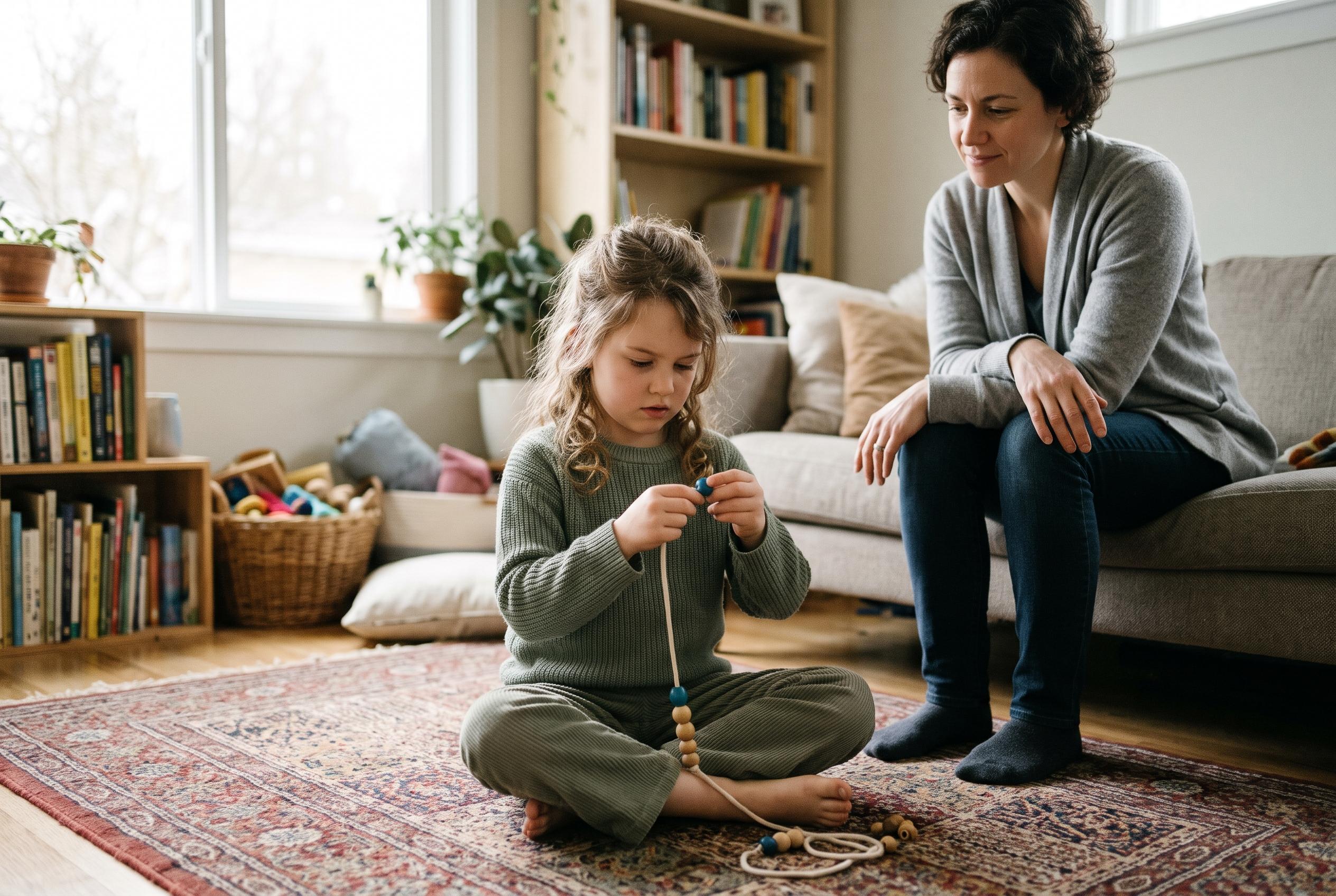

Occasional stumbles are usually part of learning, but repeated difficulties with balance, co-ordination or everyday tasks may signal a child needs extra support.
A child who seems awkward on their feet is not necessarily behind. Movement skills develop at different rates, and a missed catch, a late stair step or a wobbly turn can be part of normal learning. The key question is not whether a child has an occasional stumble, but whether balance, co-ordination or confidence are repeatedly getting in the way of daily life.
Motor development is a gradual process that includes both large movements, such as running and climbing, and finer skills, such as fastening clothing or managing a pencil. Merck Manual says the timing of these milestones can vary widely, while Yale Medicine and Cleveland Clinic both note that development tends to unfold across several domains, including motor, cognitive, language and social skills. In other words, a child may be strong in one area and still find another more difficult.
That is why context matters. A child may look clumsier when learning something new, trying a more demanding game or coping with tiredness, hunger or rushing. The important distinction is between isolated awkward moments and a pattern of difficulty that shows up again and again across play, dressing, stairs or school tasks. If a child is avoiding activities, needing unusual help or becoming frustrated because movement feels hard, those details are worth noting.
Parents can get a clearer picture by watching what happens over time rather than trying to make a diagnosis at home. Useful observations include what activity was happening, how often the problem appeared, whether the task was new or familiar, and whether the child could keep participating. Brief notes on balance, strength, mobility and co-ordination can help show whether the issue appears only in certain settings or across everyday routines.
When movement problems keep interfering with confidence or participation, an individual assessment can be helpful. The article recommends paediatric physiotherapy as one way to understand a child’s needs without labelling them on the basis of clumsiness alone. That approach can help clarify whether a child simply needs more practice, or whether they would benefit from targeted support for balance, co-ordination or functional tasks.
Disclaimer: This content is for informational purposes only and is not intended to be a substitute for professional medical judgment, advice, diagnosis, or treatment.