

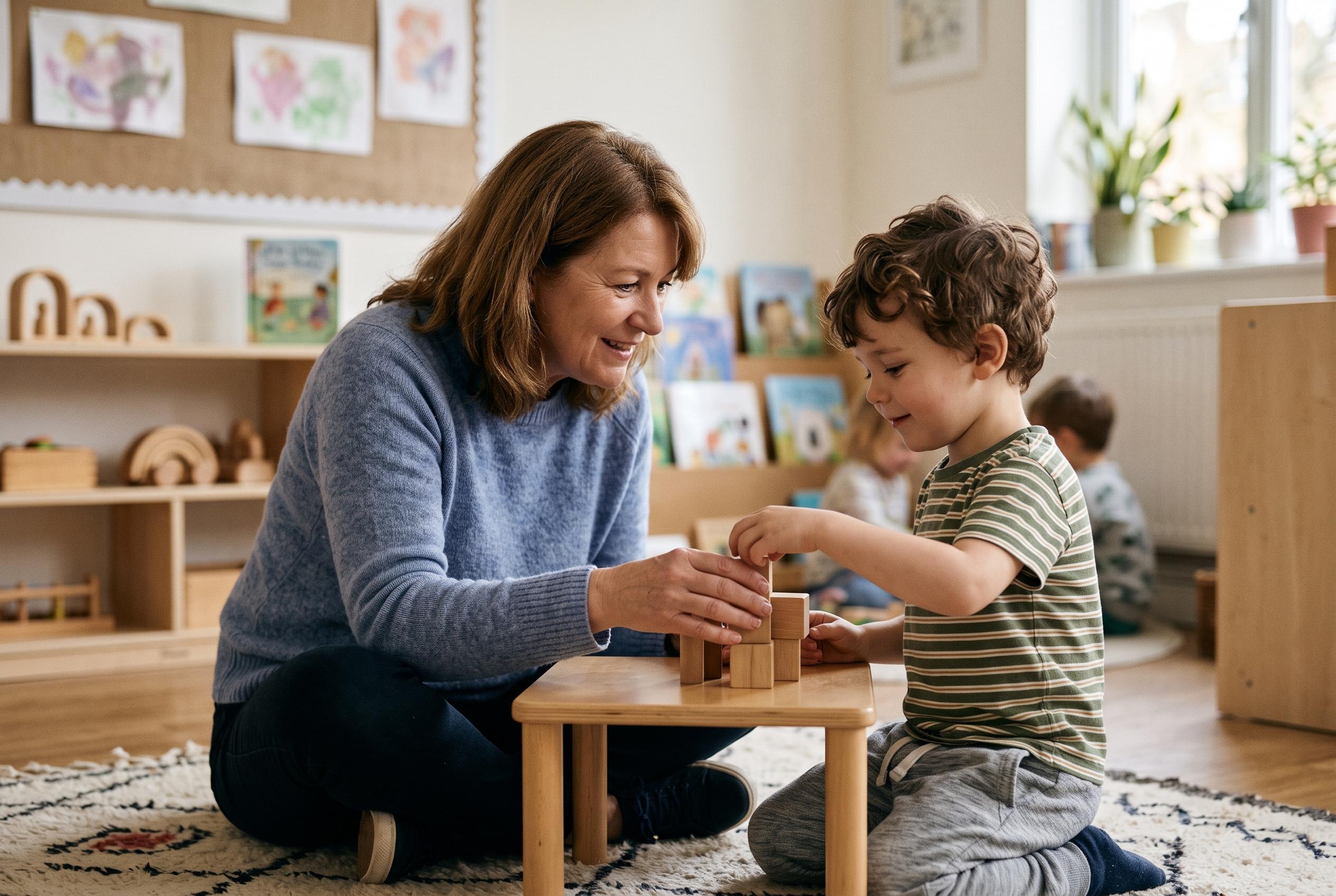

A 15-year study suggests that supportive interactions at age three may help shape how children’s brains respond to pleasure and achievement later in life.
More than one in five adults in the US experiences mental illness each year, according to figures from the National Alliance on Mental Illness, and the burden reaches into childhood and adolescence as well. Against that backdrop, researchers at the University of Notre Dame say the way parents interact with children in the preschool years may help shape how those children later experience pleasure, excitement and satisfaction, which are important markers of mental well-being.
The study, published in Communications Psychology, followed 465 children and their parents over 15 years. Led by Notre Dame psychologist Kaylin Hill, it examined parent-child interactions when the children were three years old and then tracked the youngsters’ brain responses to rewards at ages 9, 12, 15 and 18. Hill’s team found that warmer, more encouraging parenting was associated with stronger neural reward responses across adolescence, while harsher or more intrusive parenting was linked with weaker responses.
That matters because reward processing helps the brain register and enjoy positive experiences, from friendships and achievements to everyday pleasures. The researchers used electroencephalogram measurements to monitor brain activity as participants played a guessing game for money, allowing them to compare responses to wins and losses. Hill said the work is among the first to connect early-life experiences with reward processing across childhood and late adolescence, and she described the brain’s reward response as one of the clearest indicators of risk for later mental health concerns.
The findings fit with broader mental health data from the National Alliance on Mental Illness and the National Institute of Mental Health, which show that mental illness is common across age groups and often begins early in life. NAMI says 16.5% of US youth aged 6 to 17 experienced a mental health disorder, while half of all lifetime mental illness begins by age 14 and three-quarters by age 24. NIMH reported that 23.1% of adults experienced any mental illness in 2022, with young adults aged 18 to 25 showing the highest prevalence.
Hill said the results point to a possible role for early intervention, not only with children but also with parents, and perhaps even before a child is born. She noted that the study was observational and cannot prove cause and effect, but argued that parenting behaviours are more open to change than genetic risk. In a related body of work, Hill has also examined how parental conflict can weaken reward responsiveness in adolescents with depression, reinforcing her broader view that family relationships can shape how young people learn to experience joy, stress and emotional resilience.
For parents and caregivers, the practical message is straightforward: warmth, support and encouragement in the earliest years may do more than improve day-to-day behaviour. According to the Notre Dame team, those interactions may also help children’s brains develop a healthier response to positive experiences, potentially lowering vulnerability to depression and related disorders later on.
Disclaimer: This content is for informational purposes only and is not intended to be a substitute for professional medical judgment, advice, diagnosis, or treatment.



