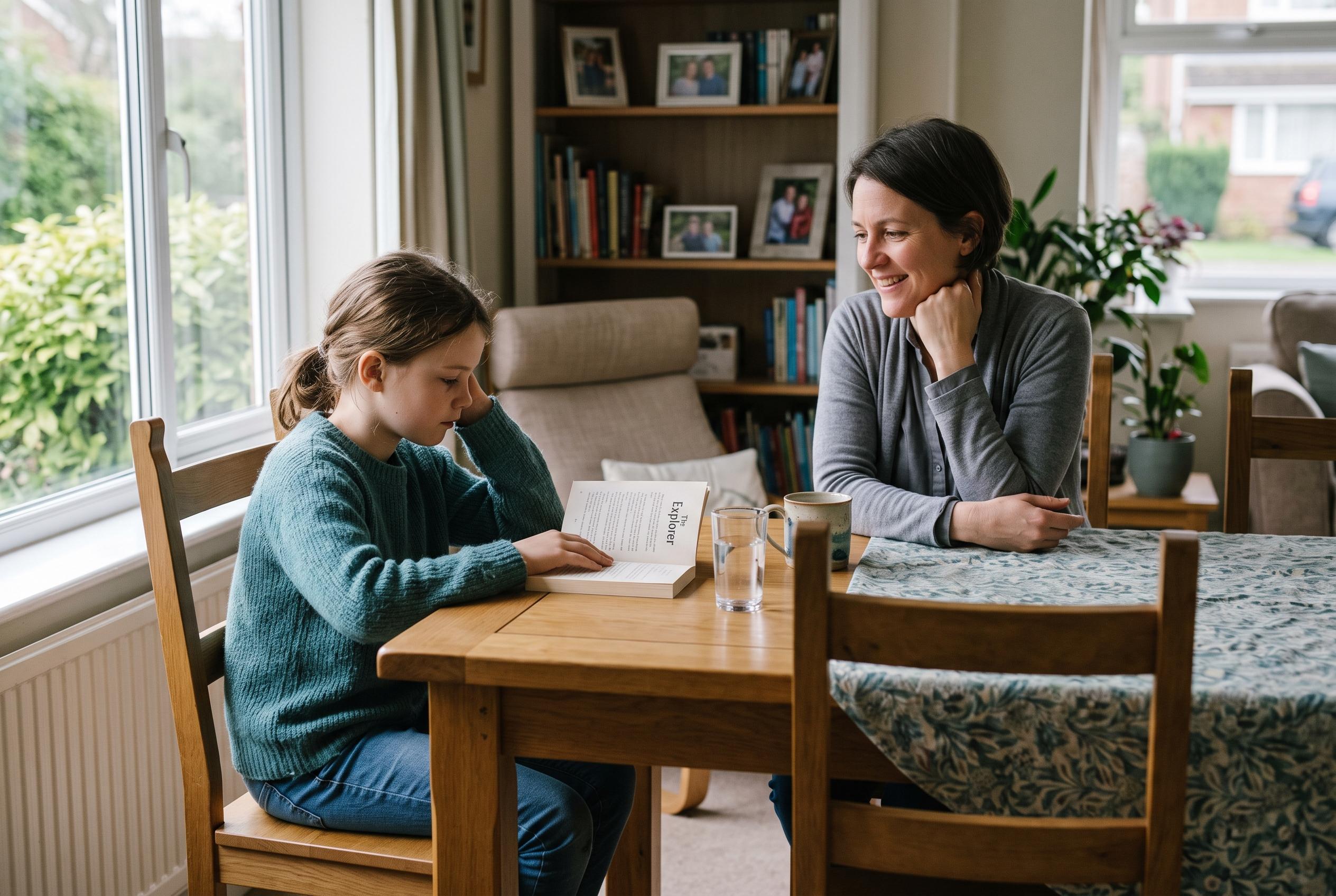

Parents often feel blindsided when children display disruptive behaviour at school but are calm at home, but experts say behaviour is a form of communication influenced by environment and individual temperament, urging understanding over punishment.
When a report card meeting brings a note about a child being distractible, disruptive or unwilling to follow instructions, parents can feel blindsided, especially if the same child seems calm, helpful and cooperative at home. That gap can be confusing, but specialists say it does not automatically mean the child is choosing to misbehave.
According to child psychologists and therapists cited in the supplied reports, behaviour is often a form of communication. In school, children face a very different set of demands from those at home: longer periods of sustained attention, group rules, waiting their turn, managing noise and movement, and coping with academic pressure. A child who copes well in one setting may struggle in the other simply because the setting is more demanding.
Temperament also matters. Some children are naturally more active, sensitive to change or easily overwhelmed by transitions. Others may find it harder to ask for help, to tolerate frustration or to stay engaged when they feel bored. In those cases, what looks like defiance may actually be a sign that the child needs different support, such as clearer preparation for changes, movement breaks or more structured guidance.
The reports also point to outside factors that can shape classroom behaviour, including sleep loss, poor nutrition, family stress, bullying, learning difficulties and developmental conditions such as attention-deficit hyperactivity disorder, autism, anxiety or language problems. Overuse of screens may also make it harder for some children to sustain attention on tasks that are less stimulating than digital entertainment. That is why experts advise adults to look for patterns: when the behaviour started, what tends to trigger it and what happens afterwards.
The best response, they say, is not to reach first for punishment. Instead, parents are urged to speak calmly with the child, ask open questions and listen without turning the conversation into an interrogation. They should also compare notes with teachers and ask for concrete examples of when the behaviour appears, what precedes it and what interventions have already been tried. That shared picture can help distinguish a temporary response to stress from a longer-term difficulty that needs assessment.
Educators and psychologists caution against labelling a child as a problem or comparing them with classmates. Those responses can deepen shame and make it harder for the child to speak honestly about what is going on. If the behaviour persists, affects learning or appears across settings, the next step is a professional evaluation to rule out hearing or vision issues and to check for learning, developmental or emotional concerns. The aim is not to excuse poor conduct, but to understand what the child is trying to express and to respond in a way that actually helps.
Disclaimer: This content is for informational purposes only and is not intended to be a substitute for professional medical judgment, advice, diagnosis, or treatment.