

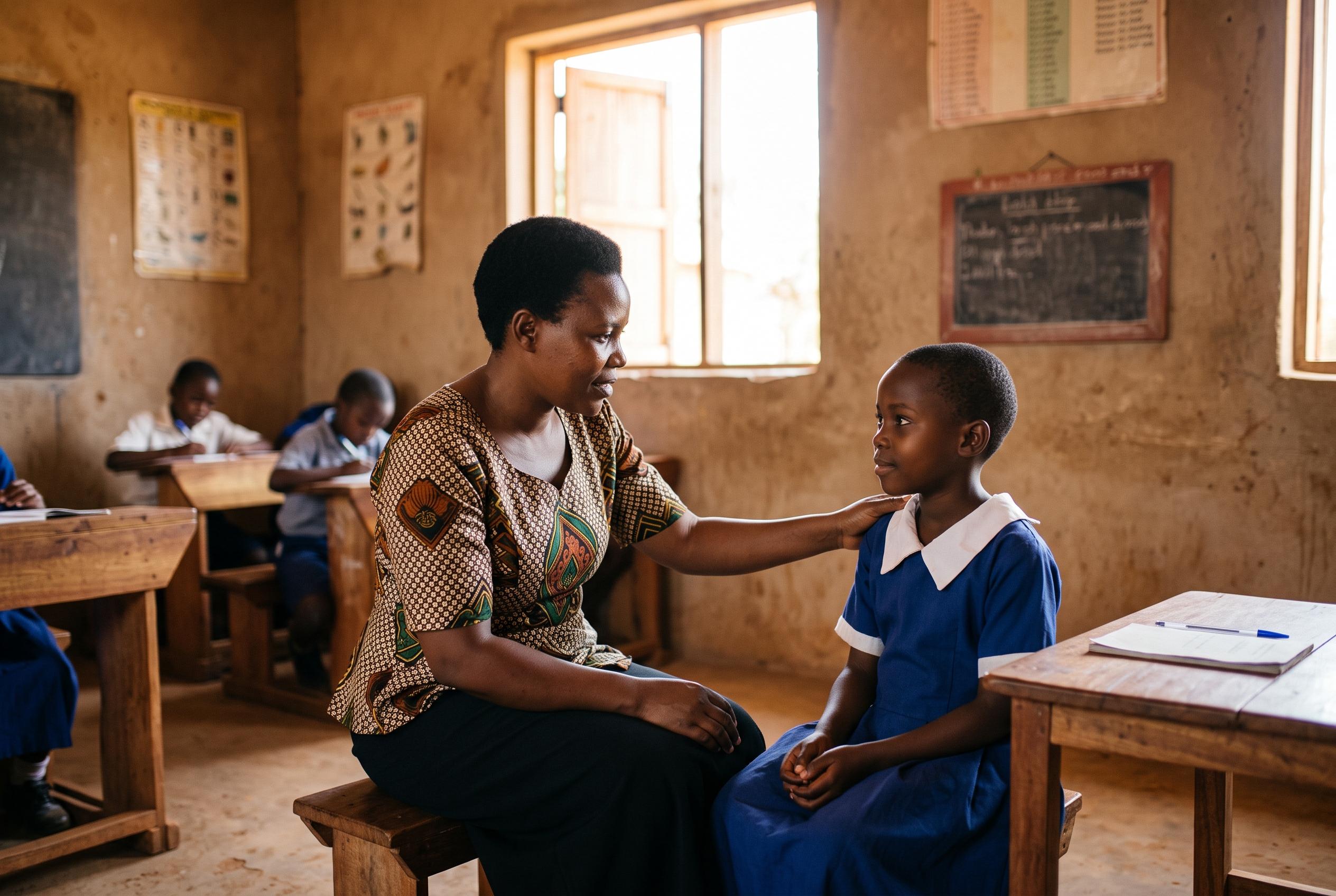

Researchers in Tanzania have developed and begun implementing the Interaction Competencies with Children (ICC) model, a low-cost, culturally sensitive approach showing promising results in reducing violence in schools and homes, with government support for wider adoption.
Tanzania is moving closer to a home-grown model for reducing violence against children after researchers from Dar es Salaam University College of Education and German universities presented an intervention they say is already showing measurable gains in schools and families. The programme, known as Interaction Competencies with Children, or ICC, is designed to change the everyday ways adults speak to, discipline and support children, with a focus on safer classrooms and more nurturing homes.
The approach was developed by academics at Dar es Salaam University College of Education, the University of Bielefeld and the University of Konstanz. Its architects say the model is intentionally practical: it is short, relatively low-cost and built to work within Tanzanian educational and cultural settings. Rather than relying only on messages against corporal punishment, it also targets the beliefs and social norms that can make violent discipline seem acceptable. The intervention now has three strands for teachers, parents and caregivers, including those working in alternative care.
Evidence cited by the researchers suggests the model has already had impact. A study indexed on PubMed found that ICC-T, the teacher-focused version, reduced teachers’ use of emotional and physical violence in Tanzanian public secondary schools, with both teachers and students reporting improvement. Another pilot study of the parent version, ICC-P, indicated that the programme could help shift attitudes towards violent discipline and strengthen non-violent communication. A more recent trial protocol describes a larger study in Morogoro that will examine whether expanding the approach to parents as well as teachers can reduce violence at home and in school.
At a dissemination forum at DUCE, the Ministry of Education, Science and Technology signalled support for broader rollout. Abdul Maulid, the ministry’s director of basic education, said the initiative showed how research could yield practical answers to national problems and tied it to wider reforms under President Samia Suluhu Hassan and the country’s plan to end violence against women and children. He also pointed to possible next steps, including folding ICC into teacher training, using DUCE as a national training hub and developing a train-the-trainer system. DUCE’s acting principal, Amani Lusekelo, said the aim was not just to share findings but to build a lasting commitment to safe, violence-free environments for children.
Disclaimer: This content is for informational purposes only and is not intended to be a substitute for professional medical judgment, advice, diagnosis, or treatment.



