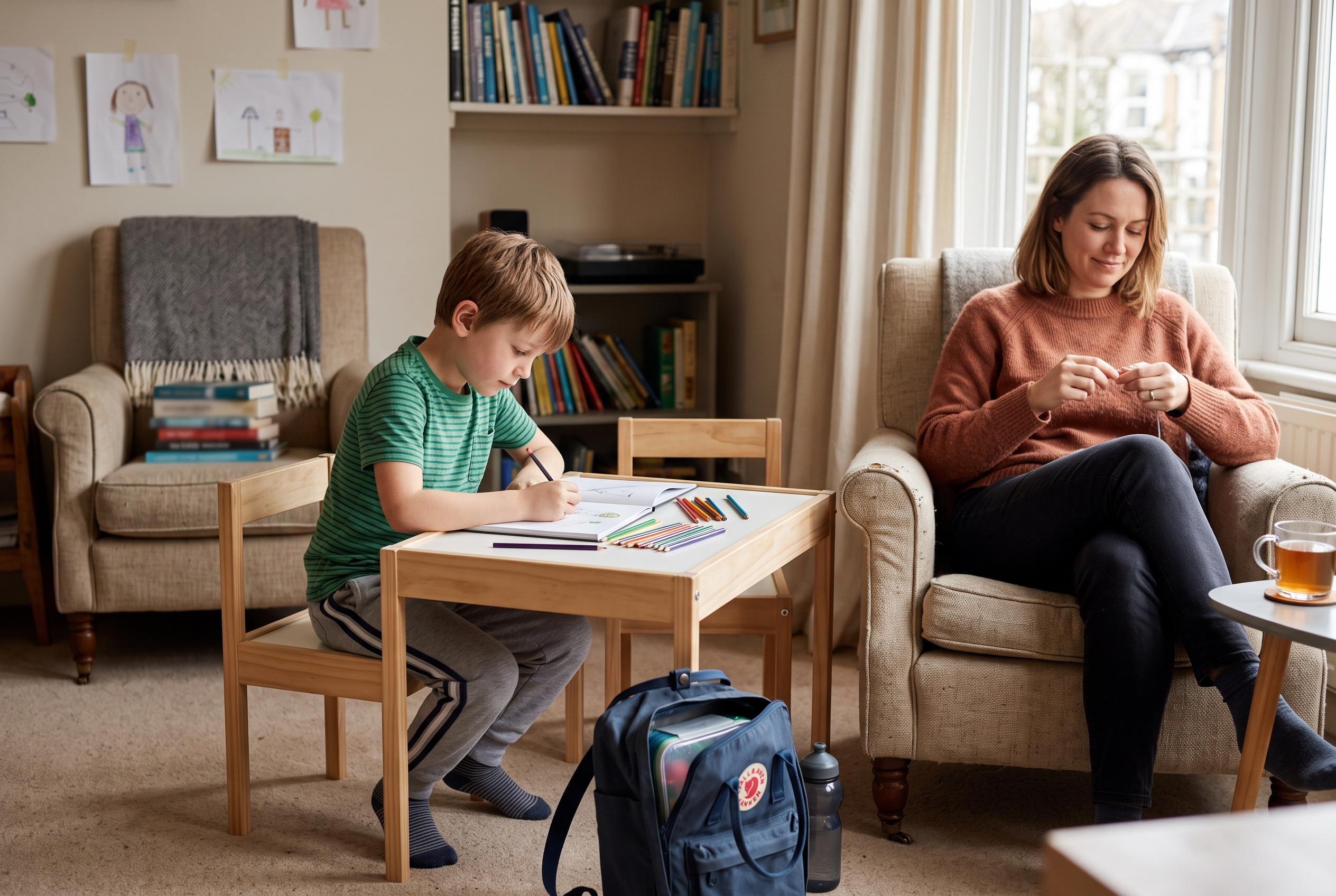

Experts recommend prioritising quiet time, gradual activity introduction, and practical preparations to help children adjust to school, reducing stress and fostering independence during this major milestone.
Starting school is a major transition for children, and for many families the first weeks can be more tiring than expected. Four Seasons Kindergarten says tamariki are often managing new friends, new routines, unfamiliar places and a very different style of learning, moving from play-led days to ones that require more listening, sitting still and following instructions. That extra effort can leave children drained by the time they get home.
One of the most practical ways parents can help is by protecting quiet time after school. Child health experts say that too many scheduled activities can contribute to burnout, while downtime helps children recover, think clearly and regulate their emotions. The CDC also notes that after-school and other out-of-school-time programmes can support academic achievement, social skills and safety, but that does not mean every child needs to fill every afternoon. For many new entrants, a gentle home routine may be more useful than rushing straight into sport, music or swimming.
The kindergarten recommends postponing formal after-school activities for at least the first six months, then introducing them slowly if a child is ready. That advice echoes guidance from children’s health organisations that regular breaks matter just as much as structured learning. The American Academy of Pediatrics has said recess and unstructured pauses help children reset mentally and physically, while other child wellbeing specialists say boredom and free play can support creativity, independence and problem-solving.
Practical preparation can also reduce stress. Families are encouraged to practise opening lunch containers, using drink bottles and managing simple foods before school starts, and to check any school rules on items such as nuts or packaged food. Naming clothing and equipment is another small but important step, especially when uniforms are involved. Teaching children to look after their own belongings at home can build confidence and make the school day feel more manageable.
Familiarity helps too. If a school allows it, a visit outside class hours can make the first day less daunting, giving children a chance to notice where the classroom, playground, library, office and toilets are. For young children, knowing what to expect can be just as reassuring as the visit itself. Even assemblies, which can feel strange at first, become easier when parents explain that they are simply a time for the whole school to gather, sit together and hear important information.
Disclaimer: This content is for informational purposes only and is not intended to be a substitute for professional medical judgment, advice, diagnosis, or treatment.