

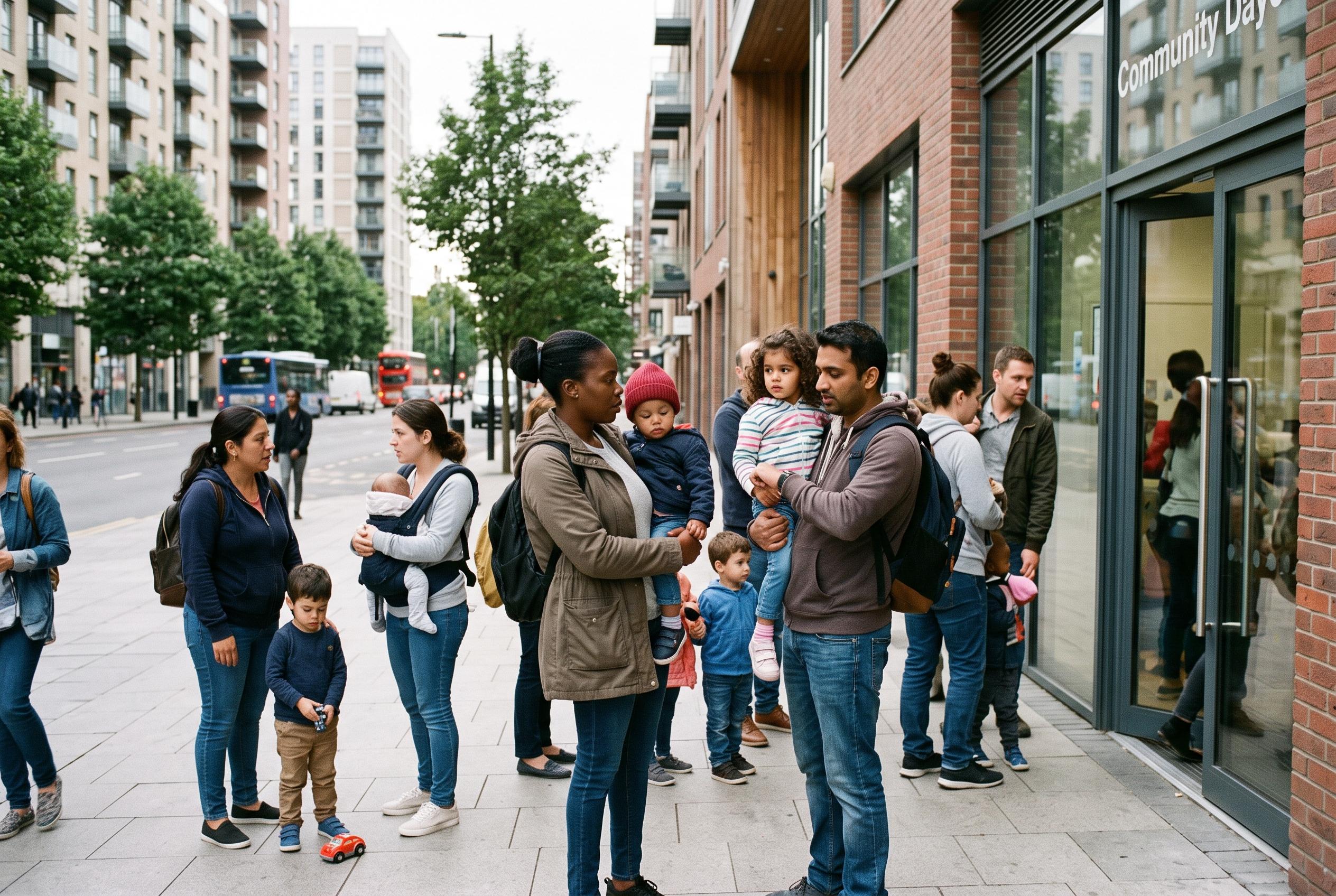

Average waits for nursery places have lengthened even as thousands of childcare centres close, with demand for public provision rising fastest in major cities.
South Korea is facing an unusual squeeze in childcare: fewer children are being born, yet parents are waiting longer for nursery places. Data submitted to the education ministry by Seo Beom-soo, a lawmaker on the National Assembly education committee, shows that the average wait for a place in a nursery class for one-year-olds rose to 8.5 months by June this year, from 5.8 months in 2022. Similar delays were recorded for infants aged under one and for two-year-olds, suggesting that the pressure is affecting childcare access across the board.
The longer waits come as the country’s childcare network continues to contract. According to reports from SBS and KBS, the number of daycare centres has fallen sharply over the past decade as low birth rates reduce enrolment and leave many providers struggling financially. Yields from official data cited by those outlets point to a decline of more than 40% in the number of centres since 2013, with closures continuing into this year.
The strain is most visible in the country’s larger cities. Seoul recorded the longest average wait for a one-year-old place at 9.4 months, followed closely by Sejong at 9.3 months, Busan at 9.1 months, and Daegu and Ulsan at 9.0 months each. That leaves many working parents, especially those in dual-income households, with little room to manoeuvre while they search for a place that fits their schedules and needs.
Demand is particularly heavy for public childcare. Ministry figures show that the average waiting period for one-year-olds at national and public nurseries climbed to 10.6 months by June, compared with 7.9 months in 2022, and well above the overall average. The Korea Times reported earlier this year that demand for public childcare was outstripping supply, pushing up waiting times and prompting the government to consider legal changes aimed at easing the shortage.
The closure trend is equally stark. More than 11,000 childcare centres shut between 2022 and the first half of this year, according to the education ministry figures cited by Yonhap. Family-run and private centres accounted for most of the closures, while the main reasons were the shrinking number of children and management difficulties. As South Korea prepares for a broader unification of early childhood education and care by 2030, the figures suggest policymakers will have to address not only falling births, but also the uneven supply of places and the growing concentration of demand in favoured public facilities.
Seo argued that it makes little sense to encourage births while leaving parents unable to secure reliable care, and he called for measures to stabilise family-run and private providers, reduce the rush towards public nurseries, and expand infant places. His comments reflect a wider policy dilemma now facing South Korea: how to preserve access to childcare as the country’s demographic decline continues to reshape the sector.
Disclaimer: This content is for informational purposes only and is not intended to be a substitute for professional medical judgment, advice, diagnosis, or treatment.



