

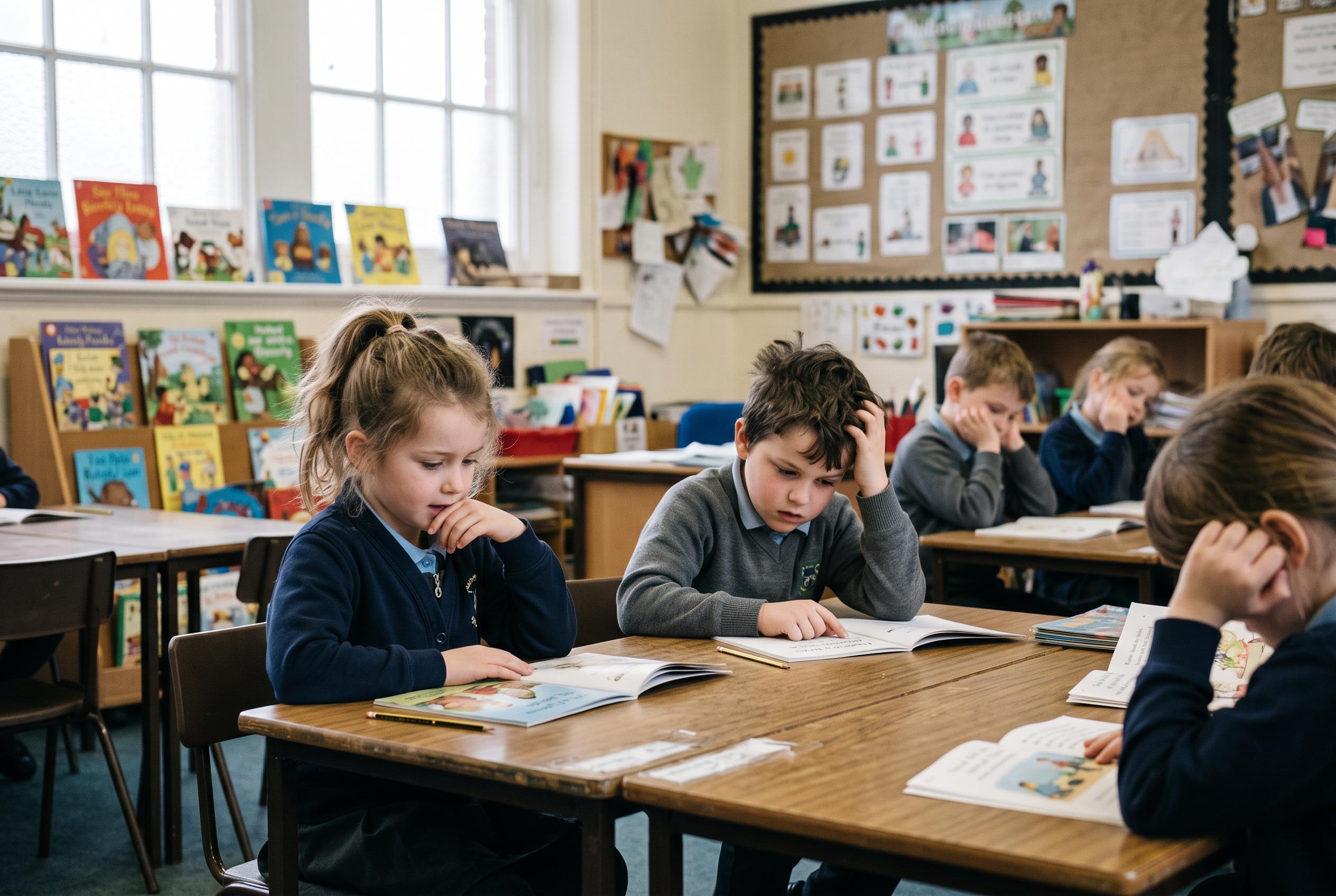

A leading Slovenian developmental psychologist says plans to send six-year-olds into preschool-style programmes and restore an eight-year primary model could increase pressure on children without improving literacy or test results.
Slovenia’s plan to overhaul early years and primary education has prompted sharp debate, with critics warning that the reforms could create more confusion than improvement. The government wants to move towards an eight-year primary school model and make six-year-olds take part in a preschool-style programme, while also expanding access to free nursery places for children in publicly run, concession-based and private kindergartens. According to the Education Ministry, the changes would require revisions to preschool and primary education laws, staffing rules, classroom space, equipment and the nursery curriculum.
One of the most vocal critics is Ljubica Marjanovič Umek, a developmental psychologist and leading researcher on preschool education, who argues that shortening the time available to teach children will not automatically improve results. Speaking to Dnevnik, she said that children do not learn more simply because the timetable is compressed and warned that extra pressure can backfire in early literacy. In her view, forcing struggling pupils to spend far longer on the same tasks as their peers would make reading and writing harder, not easier, and could leave them resenting letters altogether.
Marjanovič Umek also challenged the idea that a broader return to an eight-year primary school would lift Slovenia’s performance in international tests such as PISA. She said children develop at different speeds and that there is no single timetable for literacy, with some pupils arriving at school already able to read and others needing up to two years to reach that stage. She added that the country still lacks a clear and shared definition of what literacy should mean in practice, particularly by the end of the third grade, when pupils are expected to handle longer and more demanding texts.
Her criticism sits within a wider Slovenian debate about the role of preschool itself. Government information on early childhood education says the system is designed to support a child’s social, emotional, language and physical development, while allowing parents flexibility in choosing programmes and institutions. Academic research on Slovenian preschool provision has also traced how nurseries have evolved from being seen mainly as care facilities into a formal part of the education system. Marjanovič Umek, who has spent decades studying early language and literacy, has repeatedly argued in public that high-quality preschool matters most when children enter it early and stay for several years.
The ministry has already moved ahead with a separate initiative to offer shorter, fully funded preschool programmes for five-year-olds who have not been in nursery. Officials say the scheme has been met with strong interest from kindergartens and local authorities, and that the state will cover the cost of the 240-hour programme. But Marjanovič Umek said she remains sceptical of short programmes, recalling that similar arrangements in Slovenia in the past failed to deliver the hoped-for impact. She also said she could not think of another European country where nursery is free for every child from entry to completion, adding that such a pledge would require a much larger public commitment to education spending.
Disclaimer: This content is for informational purposes only and is not intended to be a substitute for professional medical judgment, advice, diagnosis, or treatment.



