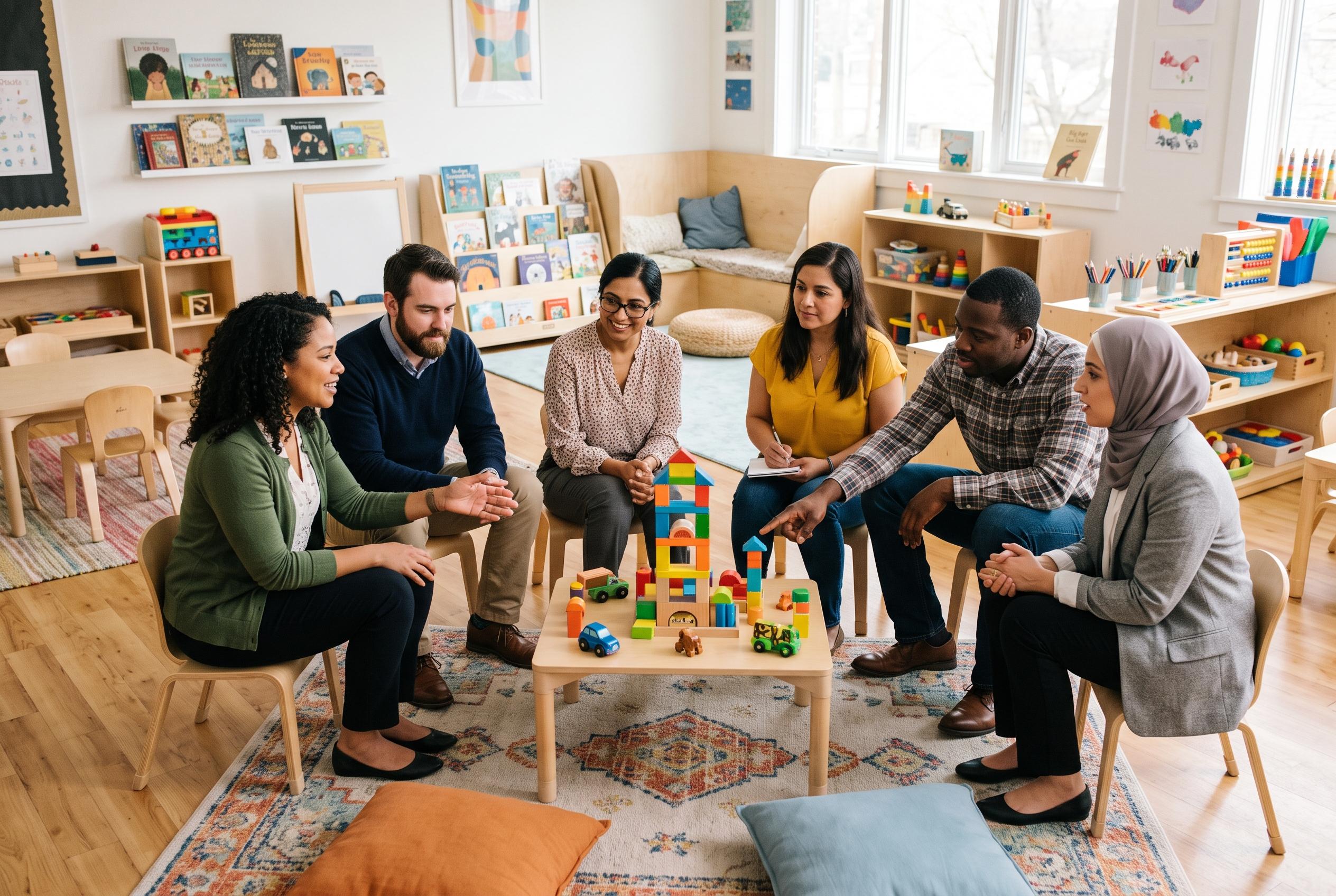

Singapore’s Early Childhood Development Agency unveils ‘We Are Wonderful Partners!’, a new resource designed to foster constructive, child-centred dialogue between parents and preschools, aiming to strengthen collaboration through trust, respect, and empathy.
Singapore’s Early Childhood Development Agency has launched a new parent-preschool partnership guide aimed at making difficult conversations more constructive and more child-centred. Called “We Are Wonderful Partners!”, the resource was developed with parents, educators, preschool operators and other sector partners after the Preschool Experience Survey in November 2025 pointed to areas where collaboration could be strengthened. According to ECDA, the guide is intended to help families and preschools work together more effectively on a child’s learning, behaviour and well-being.
The guide is built around trust, respect and empathy, and it encourages parents to arrive at meetings with specific observations rather than broad judgements. ECDA says the approach is meant to separate what a parent has seen from how it is interpreted, then move towards a practical plan with clear responsibilities and a review date. That reflects the agency’s wider advice to families and educators: share information openly, communicate tactfully and recognise that both sides are working towards the same goals for the child.
Minister of State for Social and Family Development Goh Pei Ming launched the guide at the Our Wonderful Parents Learn & Connect event, organised by Preschool Market with ECDA support. The agency said it will distribute physical resource packs to around 1,800 preschools across Singapore, while digital versions will be shared with parents through preschool communication channels. ECDA also frames the initiative as part of a broader effort to help families navigate changing expectations around parenting and to support more sensitive, practical communication with centres.
ECDA’s parent guidance fits with existing advice on home-preschool relationships, which stresses regular updates, two-way communication and a willingness to see things from the other person’s perspective. The agency has also highlighted examples of preschools that welcome parents into classroom life, from open-door visits to shared activities and outings. In practice, the new guide appears designed to turn that philosophy into a simple meeting structure: bring observations, ask for context, agree one next step, assign actions and set a date to check progress.
Disclaimer: This content is for informational purposes only and is not intended to be a substitute for professional medical judgment, advice, diagnosis, or treatment.