

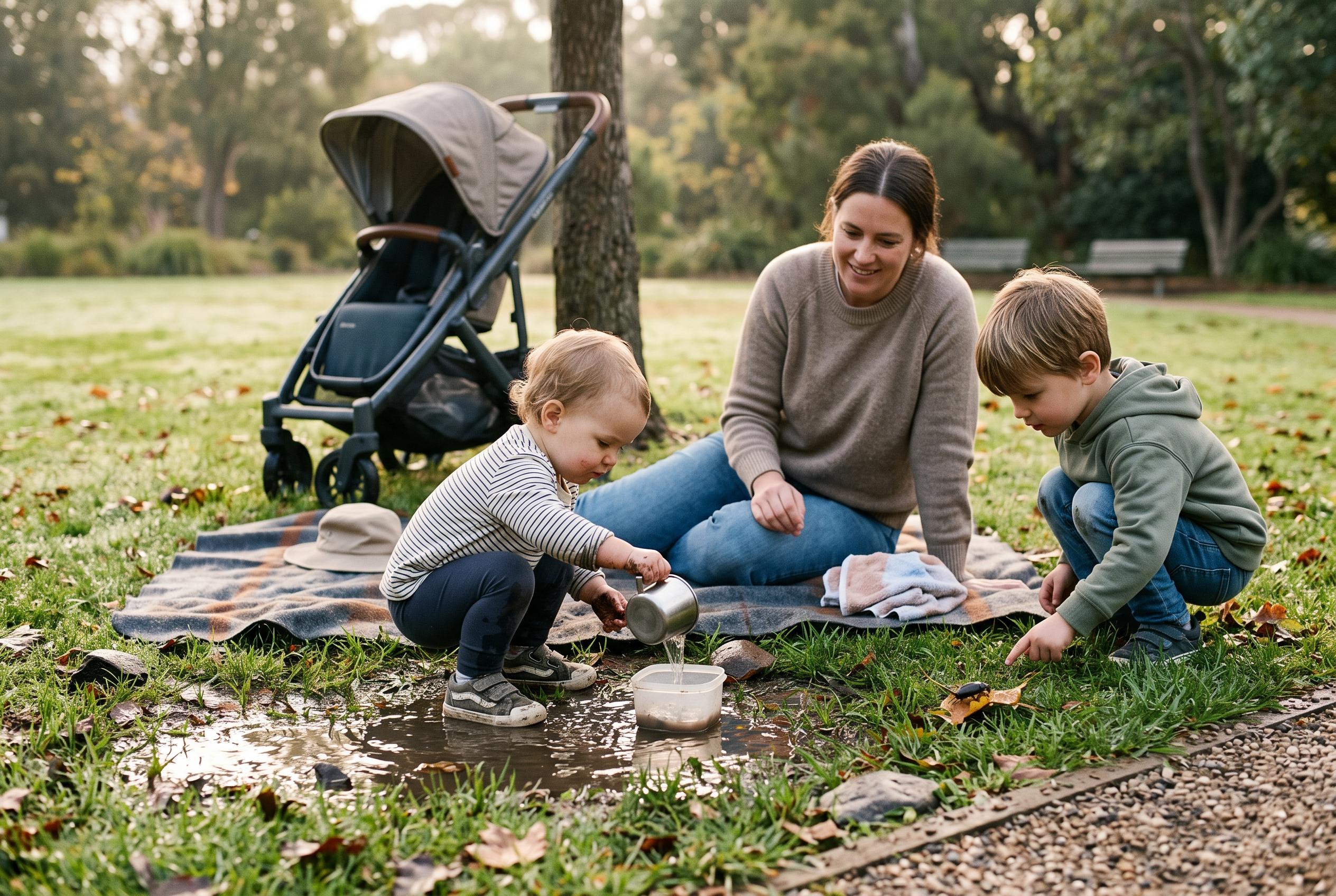

Research highlights the benefits of easy, unstructured outdoor play for toddlers, from fostering physical skills to encouraging curiosity, with simple activities like nature walks and water play proving highly effective and adaptable for young children’s growth.
Toddlers do not need elaborate plans to benefit from time outside. According to The Bump, outdoor play can support physical development, cognition and emotional regulation, while giving young children room to explore at their own pace. That makes simple activities especially useful for parents and caregivers who want something easy, low-cost and engaging. Nature walks, short rides and unstructured play can all help children practise balance, coordination and problem-solving without feeling like formal lessons.
One of the easiest places to start is a walk or gentle hike. Letting a toddler lead, even for short stretches, can turn an ordinary outing into a stream of small discoveries: a stone, a flower, a bird call or a patch of grass that deserves a closer look. The Bump and other parenting guides note that this kind of open-ended movement supports balance and confidence, while giving children a chance to make sense of the world on their own terms. Parents can build on those interests afterwards, whether that means looking for birds again in the garden or collecting sticks for later play.
Wheeled play is another strong option. A tricycle or balance bike gives toddlers a safe way to work on steering, body control and large-muscle movement, all while burning off energy. Help Me Grow Minnesota and similar child-development resources stress that physical activity in early childhood matters for motor skills and overall health, and even short bursts of riding can be worthwhile. The key is to keep the route simple, the surface safe and the supervision close.
Books, too, can move outdoors. Reading on a picnic blanket, under a tree or in the back garden adds a fresh layer to a familiar routine, and it can be especially helpful for children who struggle to sit still indoors. A nature-themed book fits the setting neatly, but any favourite story will do. Parenting sites that focus on low-prep toddler activities say the combination of fresh air, movement and story time can make the experience feel new without requiring any special equipment.
For toddlers who are beginning to notice letters, sounds or patterns, outdoor learning can be folded into play. One simple idea is an alphabet obstacle course, using cards, pool noodles or other safe markers to create a path for children to run, crawl or step through. Another is an animal-sound game, in which adults and children listen for birds, dogs or insects and copy the noises together. Articles from toddler activity guides point out that these kinds of games support language development, sensory processing and early literacy while keeping the tone light and playful.
Water and treasure-hunt games can be just as effective, especially on warm days. Splash pads, sprinklers and water play help children build balance and body awareness in a setting that feels exciting rather than instructional. A backyard treasure hunt, meanwhile, adds a sense of discovery without needing a prize that costs much. Some parent-focused resources recommend keeping the hiding spots obvious for younger toddlers, then making the challenge slightly harder as children get older. That flexibility is part of what makes outdoor play so practical: the same activity can grow with the child.
The broader lesson from all these ideas is that outdoor play does not need to be complicated to be valuable. The Bump and similar guides emphasise that unstructured time outside can encourage creativity and reduce behavioural frustration, while also supporting sleep and general well-being. For families, that can mean something as simple as a short walk after lunch, a few minutes with a sprinkler or a sit-down reading break in the shade. The most useful activities are often the ones that leave plenty of room for curiosity.
Disclaimer: This content is for informational purposes only and is not intended to be a substitute for professional medical judgment, advice, diagnosis, or treatment.



