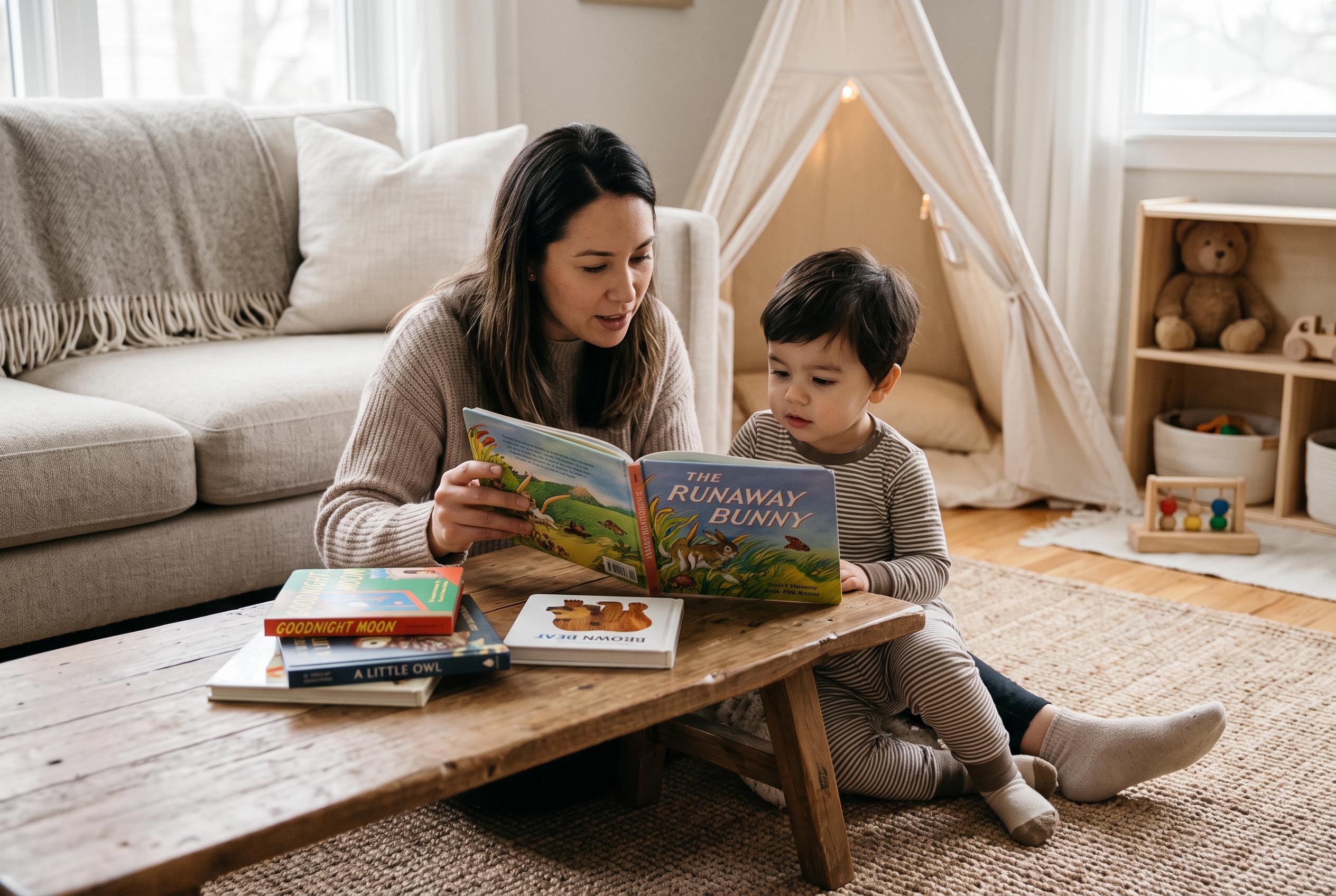

Experts emphasise that daily read-aloud routines, tailored to a child’s age and interests, dramatically boost language skills, comprehension, and family bonds, proving that even brief, consistent sessions make a lasting difference.
Reading aloud with children is more than a calming bedtime habit. The guide on moms-favorites-and-more.de argues that it can support language development, encourage empathy and strengthen family bonds with very little effort. That claim is backed by child-literacy guidance from PBS and other family-learning resources, which note that regular read-aloud time helps children build vocabulary, understand stories and form positive associations with books from an early age.
The practical case for shared reading is strongest when it becomes routine. The guide says daily reading matters far more than an occasional long session, and that even 10 minutes can make a real difference. PBS similarly says reading aloud helps children learn basic print concepts, such as how to hold a book and follow pages in the right direction, while also reinforcing comprehension and word meaning. In other words, the value lies not just in the story, but in the repeated experience of hearing language used well.
Age matters, but not in the way many parents assume. The German guide says reading can begin from birth, when children are already sensitive to voice, rhythm and tone, and it recommends short sessions that grow with attention span: a few minutes for toddlers, longer stretches for older children. That approach fits with early-childhood advice from PBS, which says even 3-year-olds benefit from being read to because it strengthens understanding of stories and words while building early literacy habits.
One of the most effective methods is dialogic reading, a more interactive style in which adults ask questions, invite predictions and expand on the child’s answers. Kentucky’s child-family guidance describes it as a conversation rather than a monologue, while Denver Public Library and Begin Learning say it helps children become active participants in the story. The result is stronger language growth, better comprehension and more confidence. The guide recommends simple prompts such as naming objects, completing sentences and asking open questions about what might happen next.
Book choice also matters, but the child’s interest should outweigh rigid age labels. The guide recommends sturdy picture books and rhymes for babies and toddlers, clear storylines for preschoolers and more humorous or serial books for primary-school children. It also warns against turning reading into a chore. If a child wants the same book again and again, that repetition is often part of how language and meaning sink in. If a book is not working, the better response is to stop and choose another title rather than force the issue.
The guide also makes a broader case for making books part of everyday life. It encourages families to keep books visible, use libraries and read in both home languages where relevant. It says fathers should read as well as mothers, that children do not need to sit perfectly still to listen and that reading should continue after children learn on their own. That final point reflects the wider literacy advice from PBS and other family-learning organisations: shared reading is not just preparation for independent reading, but a lasting relationship between children, stories and the adults who read with them.
Disclaimer: This content is for informational purposes only and is not intended to be a substitute for professional medical judgment, advice, diagnosis, or treatment.