

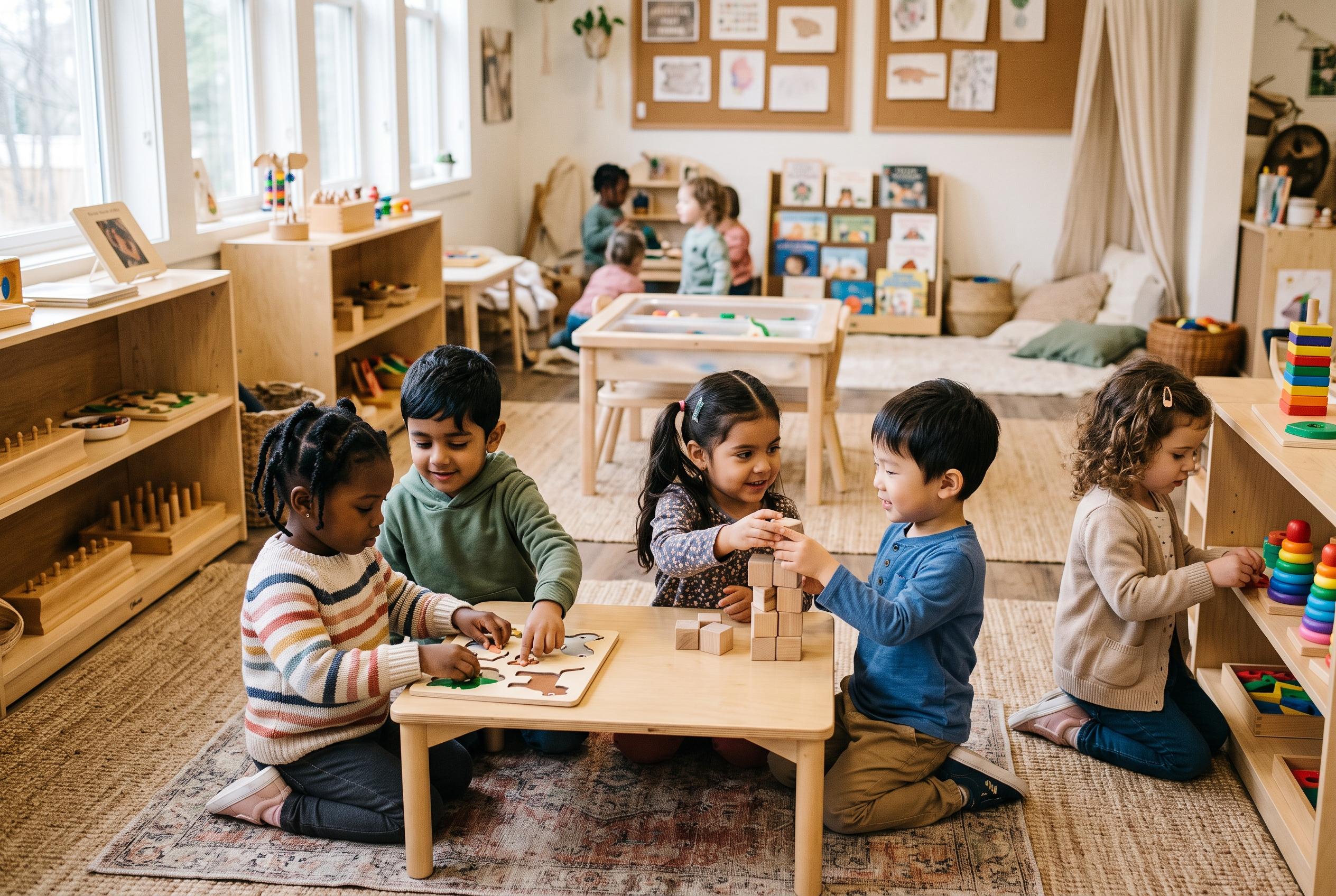

Research suggests that self-regulation, social skills and independence may matter as much as early literacy and numeracy when children start school.
Parents often focus on whether a child can recite letters or count to 10 before starting school. But research cited by the Federal Interagency Forum on Child and Family Statistics shows that readiness is broader than early academics: it also includes health, motor development, self-regulation and social-emotional skills. In practice, that means a child who can recognise numbers but cannot manage a classroom routine may still struggle once term begins.
That gap between what adults expect and what teachers see is a familiar one. An Associated Press explainer on school readiness notes that experts do not treat it as a single test or a simple checklist. Instead, they look at whether children can cope with everyday school demands, from separating from parents to following instructions and sitting still long enough to learn. The point is not perfection, but whether children have enough independence to take part in a group setting without constant one-to-one help.
The latest U.S. data underline why that broader view matters. A study in Academic Pediatrics, based on the 2022 National Survey of Children’s Health, found that 63.6% of children aged three to five were healthy and ready to learn, but that readiness varied across different developmental areas. The same research linked stronger readiness with early childhood education and parental mental health, suggesting that preparation for school is shaped by home life, care arrangements and wider family support, not just by what children know at age five.
That is one reason the issue often starts long before the first day of class. Children who attend nursery or pre-school usually arrive with more practice in sharing attention, waiting their turn and doing small tasks for themselves. By contrast, children who spend less time in structured settings may have had fewer chances to practise those habits. The AP report says experts argue over how readiness should be measured, but there is broad agreement that social adjustment and self-control matter as much as early literacy.
For parents, the practical lesson is straightforward: the best preparation is built over time. Daily reading, conversation, simple chores and unhurried play all help children develop the patience and language they will need in class. Activities such as puzzles, drawing and board games can build attention span, while regular practice with dressing, toileting and short separations can make the school routine feel far less daunting. The goal is not to rush childhood, but to give children the confidence to manage ordinary school life.
The challenge for families and schools is that many adults still equate readiness with early academic achievement. Yet the evidence points in a different direction: children are more likely to thrive when they can regulate their behaviour, handle transitions and communicate comfortably, even if they are not the strongest readers on day one. In that sense, school readiness is less about summer cramming and more about the slow building of habits that make learning possible.
Disclaimer: This content is for informational purposes only and is not intended to be a substitute for professional medical judgment, advice, diagnosis, or treatment.



