
Starting school marks a major milestone that extends beyond instruction, shaping children’s social skills, responsibility, and their ability to adapt to societal expectations, crippled with challenges but vital for growth.
School is a turning point, and not a gentle one. For children arriving in the classroom for the first time, it marks the end of nursery routines and the start of a world shaped by timetables, longer periods of concentration, sitting still and being assessed against others. That change can feel daunting, but it is also precisely why school matters: it introduces structure, expectation and a shared civic space in which children learn how to live with other people.
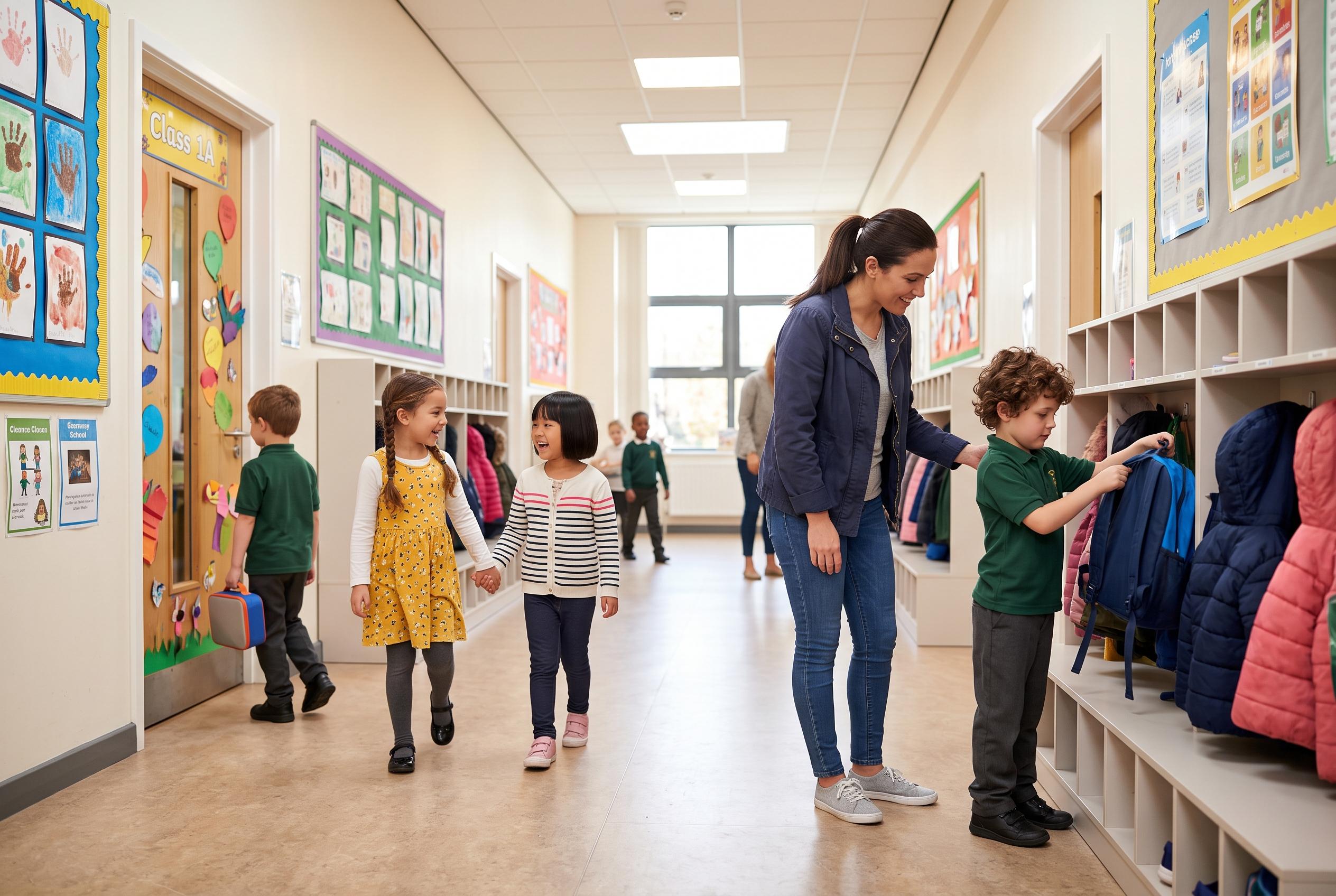
The German debate around first days at school has been sharpened by warnings from child welfare advocates against telling children they are entering “the serious business of life”. Yet the deeper point is not whether 6-year-olds should be frightened by such language. It is that school is, in fact, a major transition, one that affects children individually, reshapes family routines and alters the wider social setting around them. The Australian Institute of Family Studies describes starting school as a change that operates on all of those levels at once.
That is why public schooling carries a purpose beyond instruction. It helps integrate children into society, and for that reason it cannot become a platform for political or religious persuasion. The German article argues that the state’s role is not indoctrination but the promotion of self-determination and responsibility. A school system that is open to all has to be constitutionally neutral, even as it teaches under the framework of a democratic order.
The social role of schools is not unique to Germany. Educational material from myMaxicours describes schools as places not only for teaching but also for socialisation, equality of opportunity and the transmission of shared values. Research published by Wiley has likewise treated schools as social microcosms, shaping children’s emotional and social development while introducing them to the norms of the communities they are joining. The OECD, for its part, links strong education systems with broader civic participation and better adaptation to social change.
That wider purpose also helps explain why school should challenge pupils rather than merely comfort them. Assessment, including marks and formal judgements, is part of that challenge. But a grade is only a record of one piece of work, not a verdict on a child’s worth. The better lesson is more demanding and more useful: life includes unfairness, rules, competition and compromise. Children need to learn when to accept a setback with patience and when to resist something genuinely wrong. School, at its best, prepares them for both.
Parents, too, can help with that adjustment. Advice from the Kids Research Institute Australia suggests practical preparation before the first day, including visits to the school and other steps that reduce anxiety. Towson University, discussing the move into college, makes a similar point about major educational transitions: new freedoms come with new responsibilities, and adaptation is easier when children and families understand that change is part of the process. The same principle applies much earlier, when the classroom first begins to replace the playroom.
In that sense, school does not ask children to shrink themselves. It asks them to grow into responsibility without losing curiosity or independence. It should encourage creativity, self-reliance and ambition, not simply compliance. And it should leave pupils with a clear lesson that will matter long after the first day: they will sometimes have to fit into a system, but they should never be taught to make themselves small within it.
Disclaimer: This content is for informational purposes only and is not intended to be a substitute for professional medical judgment, advice, diagnosis, or treatment.